
Batch Mixing Advantages
- Precise control over each batch's composition
- Quality verification before pumping
- Simpler equipment and operation
- Lower cost for smaller jobs
- Easier to troubleshoot
A batch-mixing cementing unit prepares cement slurry in discrete batches —mix a batch, pump it, mix the next batch, pump it, and so on. This is the traditional approach to cementing operations. It gives you precise control over each batch's properties and is ideal for smaller cementing jobs where consistency of the slurry is critical.
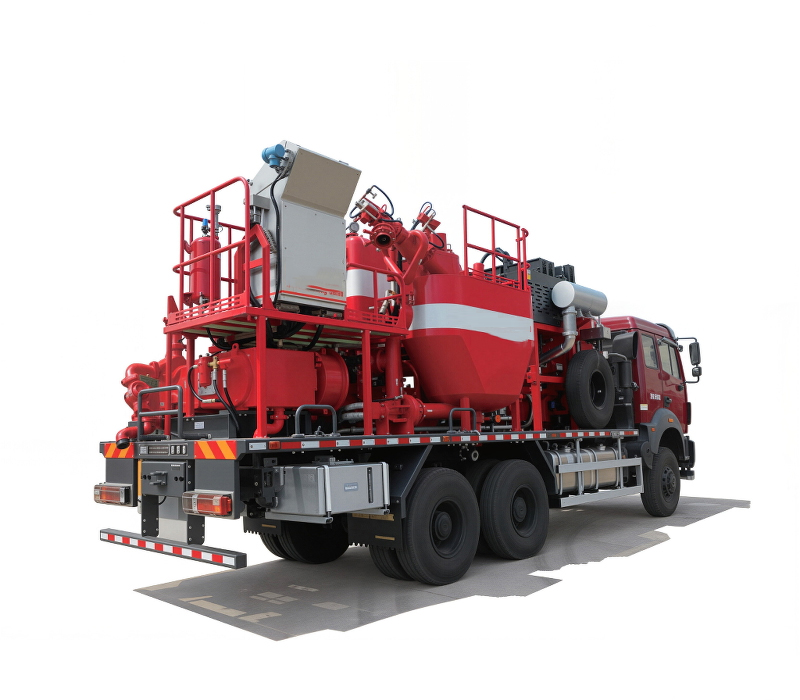
The batch mixing process follows a clear sequence:
Each batch is a self-contained unit. The operator knows exactly what went into each batch and can verify quality before pumping. This is different from continuous mixing where cement and water are combined on-the-fly in a continuous stream.
Choose batch mixing when: the job is smaller (single or multiple batches), slurry consistency is critical, or you need precise quality control. Choose continuous mixing when: you need high throughput for large cementing operations.
Cementing casing strings in the wellbore. Batch mixing is commonly used for surface casing, intermediate casing and production casing cementing operations.
Repairing casing leaks or sealing unwanted zones. Batch mixing gives you precise control over the small volumes needed for squeeze treatments.
Placing cement plugs in the wellbore for abandonment, zone isolation or sidetracking. Batch mixing ensures the plug has the right properties for its intended use.
| Parameter | Typical Range |
|---|---|
| Batch tank capacity | 1.5 - 3.0 m³ (400 - 800 gallons) |
| Pump flow rate | 0.5 - 2.0 m³/min (130 - 530 gpm) |
| Pump pressure | 5 - 35 MPa (700 - 5,000 psi) |
| Number of pumps | 1 (single pump) or 2 (twin pump) |
| Engine power | 200 - 500 HP (diesel) |
| Mounting options | Truck, skid or trailer mounted |
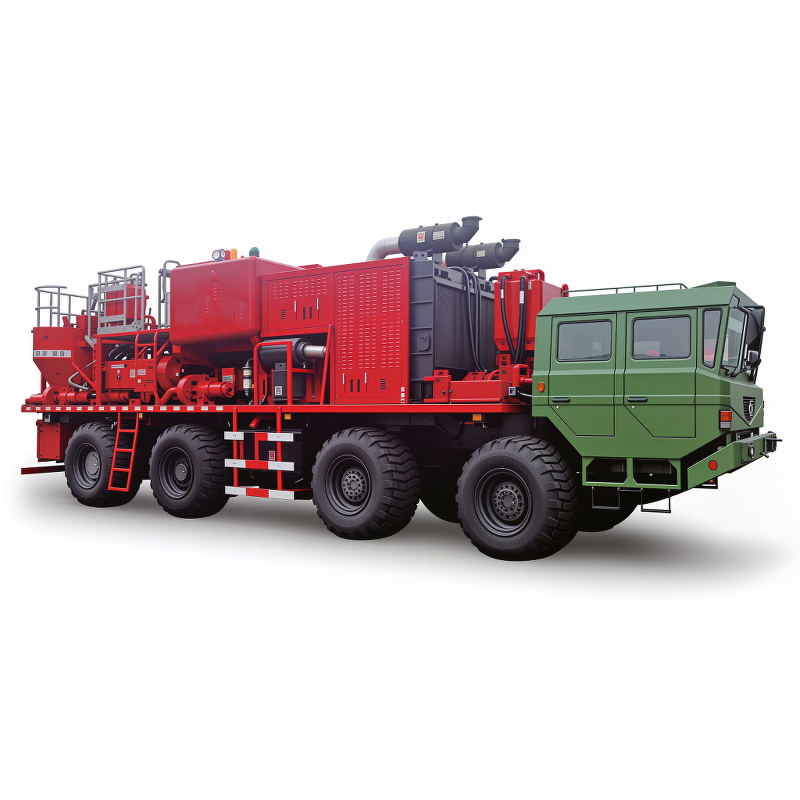
Single-pump batch mixing cementing unit for general cementing operations. Truck mounted.
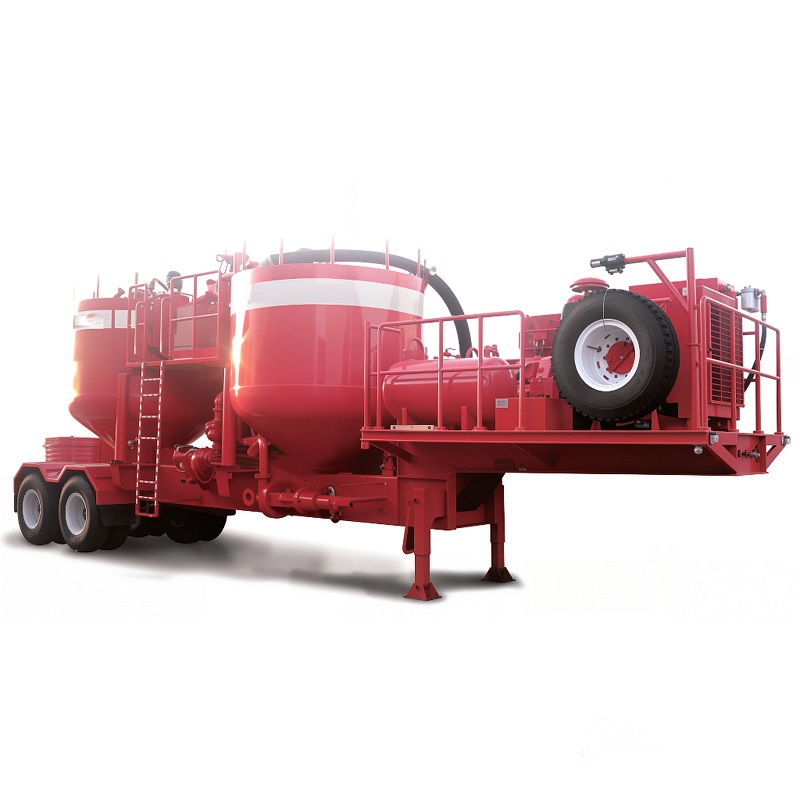
Dual-pump configuration for higher flow rate and redundancy. For demanding cementing operations.
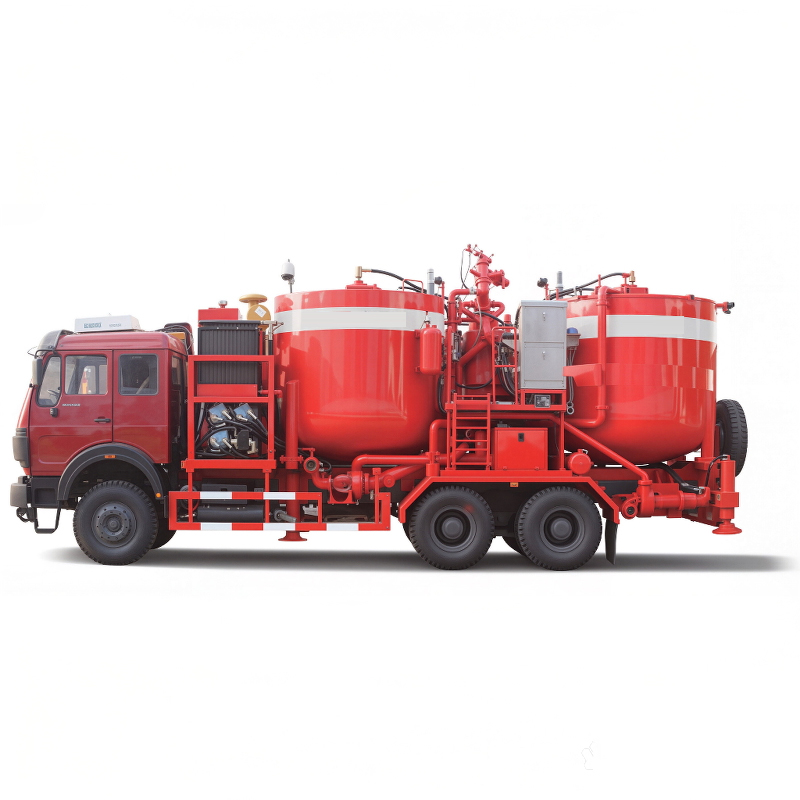
Fully custom batch mixing cementing system designed to your specific requirements.
Consider the volume and required throughput. If you need to mix and pump large volumes of cement slurry quickly (e.g., primary cementing of long casing strings), continuous mixing is faster. If you're doing smaller jobs where you need precise control over each batch's quality, batch mixing works better. Also consider your equipment availability: batch mixing requires simpler equipment and less operator training. Our engineering team can help you choose based on your specific well conditions and operational requirements.
Batch size depends on the job requirements. Typical batch sizes range from 1.5 to 3.0 cubic meters (400-800 gallons). The batch tank on the cementing unit determines the maximum batch size. For larger jobs, you run multiple batches sequentially. For smaller jobs, you might only need one or two batches. The key is to size the batch appropriately for the job —too large and you're wasting time; too small and you're stopping too often.
Consistency comes from standard procedures: measure water accurately (use calibrated flow meters), use the same additive doses each time, add cement at a controlled rate, and mix for the same duration each batch. Perform quality checks (density, viscosity) on each batch before pumping. Keep a mixing log for traceability. With proper procedures, you can achieve very consistent slurry properties batch after batch.
Tell us your batch size, flow rate and pressure requirements. Our engineering team will recommend the right cementing unit and provide a quote within 48 hours.