
Versatility
The cementing unit must handle a wide range of jobs —from small conductor cementing to large production casing jobs. Flow rate and pressure must be adjustable to match each operation's needs.
Well construction involves multiple cementing operations —from the first conductor pipe to the final production casing. A reliable cementing unit is essential at every stage. Whether you're setting conductor pipe, cementing surface casing, or running intermediate casing, you need equipment that performs consistently. Poor cementing at any stage creates problems that ripple through the entire well's life.
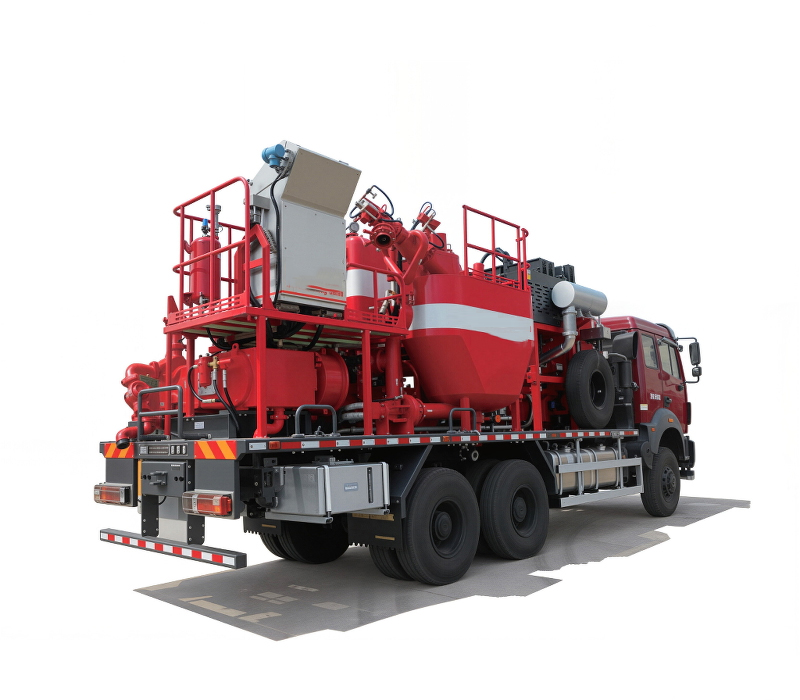
Well construction proceeds in stages, each with its own cementing requirements:
Each stage requires different volumes, pressures, and slurry properties. A versatile cementing unit handles all of them.
The cementing unit must handle a wide range of jobs —from small conductor cementing to large production casing jobs. Flow rate and pressure must be adjustable to match each operation's needs.
Well construction is a long, expensive process. Cementing failures can delay operations and add significant cost. The unit must be reliable day after day, with minimal downtime.
Cementing units move between well locations. Truck-mounted units are the norm for onshore operations. The unit must be road-legal and easy to position at the wellsite.
Well construction involves many different operations. The cementing unit should be intuitive to operate, with clear controls and minimal training required for new operators.
Land drilling operations. Cementing units travel from well to well, supporting each casing string as it's run. Common in all major oil producing regions worldwide.
Offshore platforms and drillships. Cementing units are skid-mounted for installation on the rig. Must handle marine environmental conditions and limited space.
Wildcat and exploration wells. Cementing units must handle uncertain conditions and unexpected formation behavior. Flexibility is key.
| Parameter | Typical Range |
|---|---|
| Pump flow rate | 0.5 - 2.5 m³/min (130 - 660 gpm) |
| Pump pressure | 5 - 35 MPa (700 - 5,000 psi) |
| Mixing tank capacity | 1.5 - 3.0 m³ (400 - 800 gallons) |
| Engine power | 200 - 500 HP (diesel) |
| Number of pumps | 1 (single) or 2 (twin) |
| Mounting options | Truck, skid or trailer mounted |
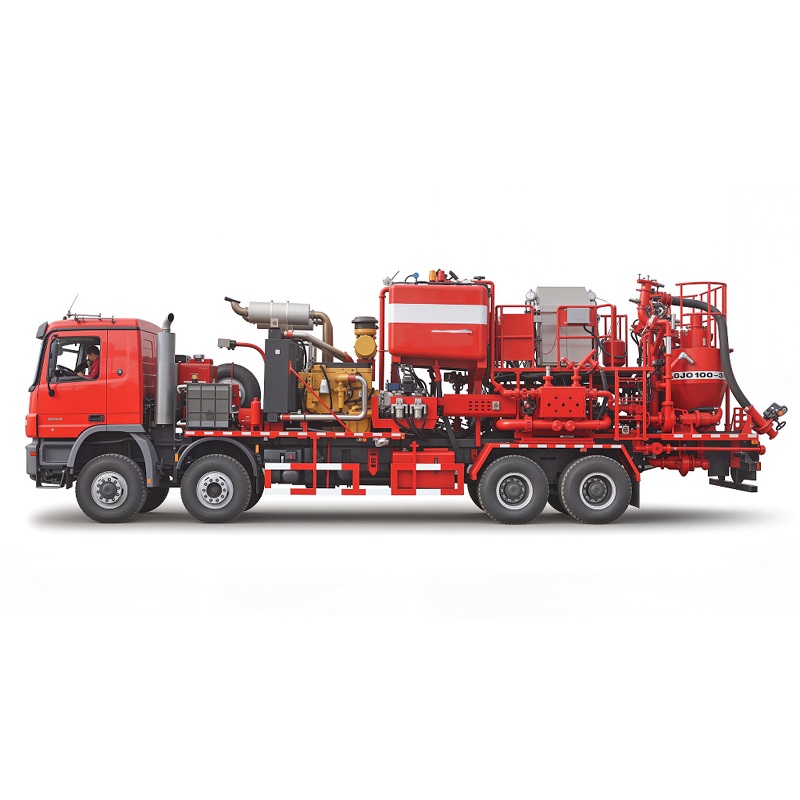
Single-pump well construction cementing unit for general well building operations. Truck mounted.
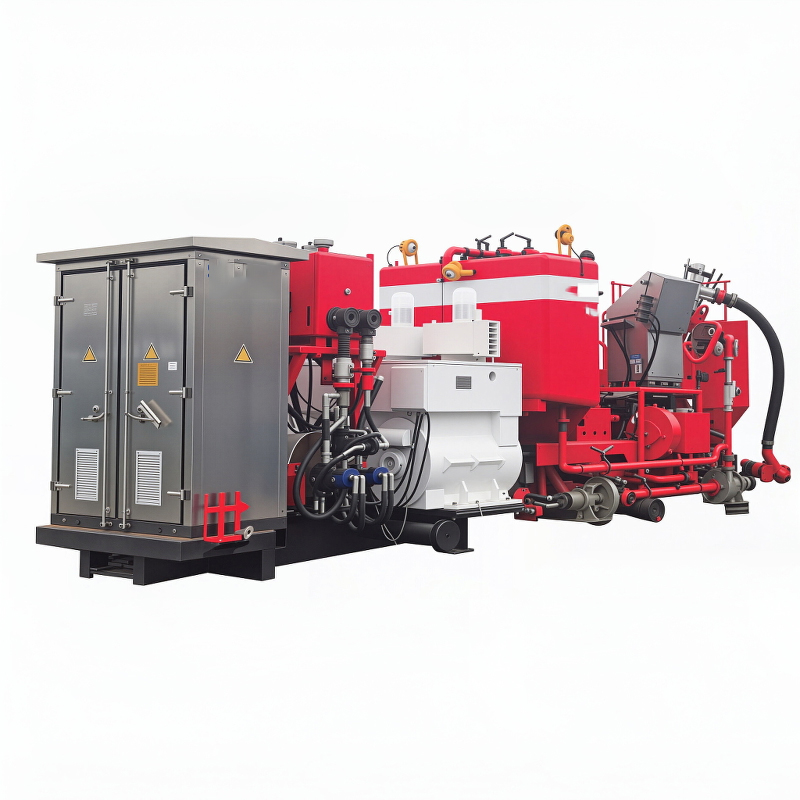
Dual-pump configuration for higher throughput and redundancy. For demanding well construction operations.
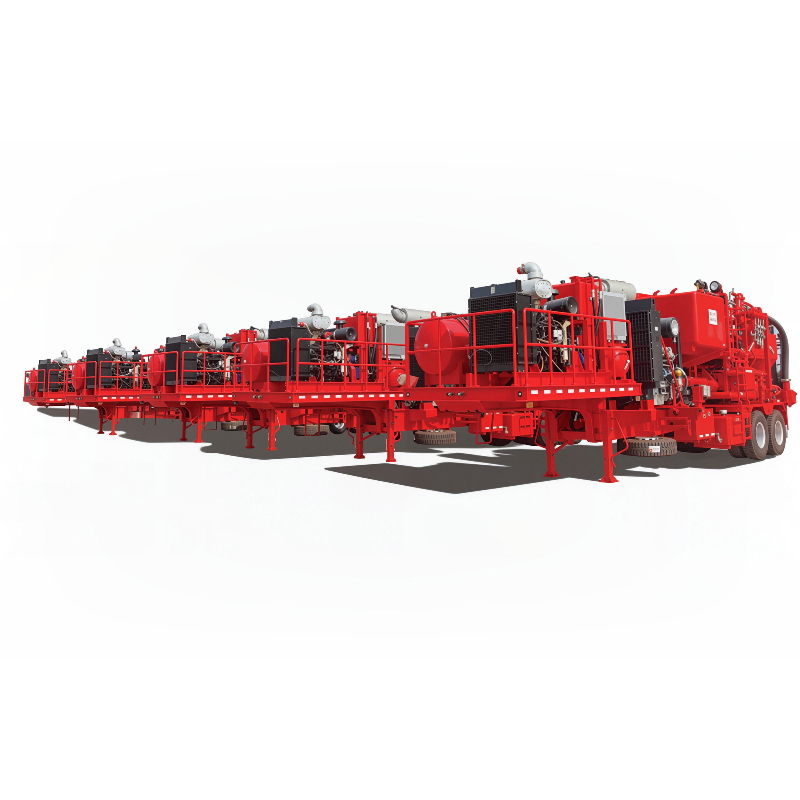
Fully custom well construction cementing system designed to your specific drilling and completion requirements.
Consider the range of jobs you'll be doing. If you're drilling a range of well types, a versatile single-pump unit handles most operations. If you're running large casing strings in demanding conditions, a twin-pump unit provides the throughput and redundancy. Also consider mobility: truck-mounted for on-the-go, skid-mounted for fixed locations. Our engineering team can assess your drilling program and recommend the right configuration.
Conductor pipe is shallow, short, and relatively small diameter —the cementing job is small and straightforward. Production casing is the final string, runs deep, and must last for decades. The cementing job is larger, more complex, and requires much higher quality standards. Both are important, but production casing cementing is the one that most affects the well's long-term performance.
Routine maintenance: inspect the pump's fluid end for wear, check the mixing tank agitator, calibrate density instruments, lubricate all bearings, change engine oil and filters, and inspect hoses and valves for leaks. Keep a maintenance log. Replace worn components before they cause failures. The cement pump is the most critical component —pay special attention to its condition. Well-maintained equipment supports your operations reliably.
Tell us your drilling program and cementing requirements. Our engineering team will recommend the right unit and provide a quote within 48 hours.