What is the difference between a mud pump and a cementing pump?
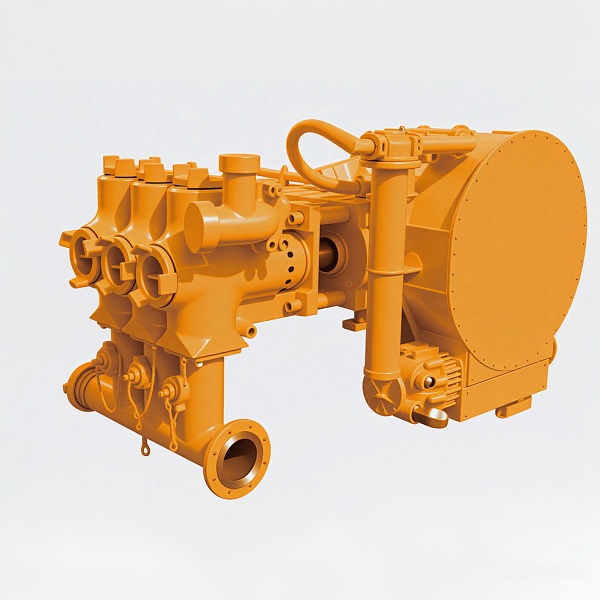
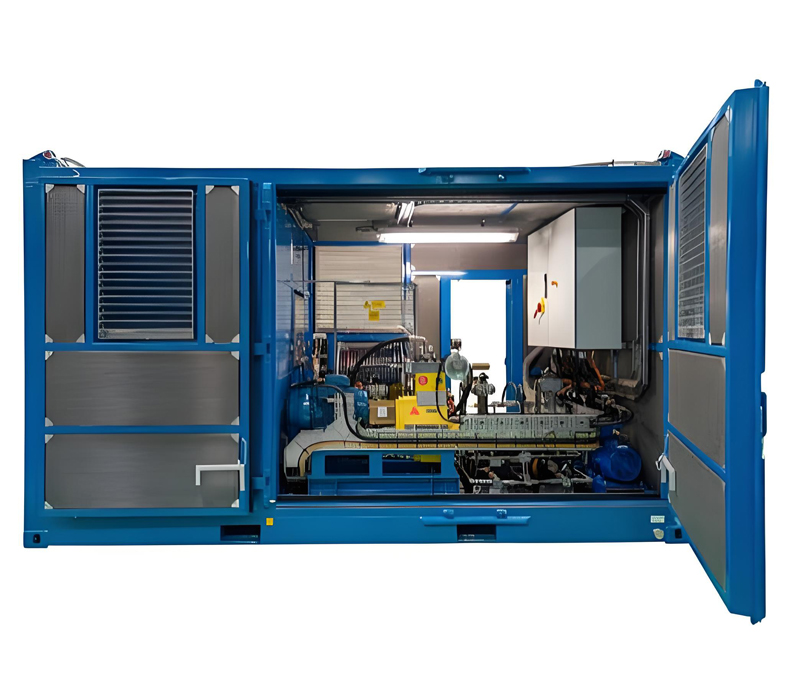
Mud pumps handle large volumes of drilling mud at moderate pressures. They are designed for high flow rates (300-1500 L/min) at lower pressures (5-35 MPa). Cementing pumps handle smaller volumes of cement slurry at higher pressures. They are designed for lower flow rates (100-300 L/min) at higher pressures (20-70 MPa). Both are reciprocating plunger/piston pumps, but they are optimized for different flow/pressure combinations and fluid types.
How do I choose the right mud pump for my rig?
The mud pump size is determined by the hole depth, hole size, and required flow rate. Calculate the required flow rate based on hole geometry and desired annular velocity. Then calculate the required pressure based on circulating pressure losses. Choose a pump that can provide the required flow at the required pressure with sufficient horsepower. Rig manufacturers typically spec the correct mud pump for the rig size.
How many mud pumps does a drilling rig need?
Most drilling rigs have two mud pumps —one operating and one on standby. This ensures continuous circulation if one pump needs maintenance. Smaller rigs may have only one mud pump. Larger rigs may have three or more pumps. Having a backup pump is critical —if circulation stops, you risk sticking the drill pipe or losing the well.
What is the typical lifespan of a mud pump?
With proper maintenance, the power end (crankshaft, gears, bearings) typically lasts 15-20 years. The fluid end components (liners, pistons, valves) are wear parts that need periodic replacement. Piston cups typically last 100-300 hours. Valves typically last 200-500 hours. Liners typically last 500-2000 hours. Regular maintenance and having spare parts on hand is essential for uninterrupted drilling.
Can I use a mud pump for cementing?
Technically yes, but it's not ideal. Mud pumps are designed for high flow, moderate pressure. Cementing requires lower flow, higher pressure. A mud pump can pump cement slurry, but it won't achieve the same pressures as a dedicated cementing pump. Also, cement is more abrasive than mud, which will accelerate wear on the mud pump's fluid end components. For serious cementing jobs, use a proper cementing pump.