What's the difference between well intervention and workover?
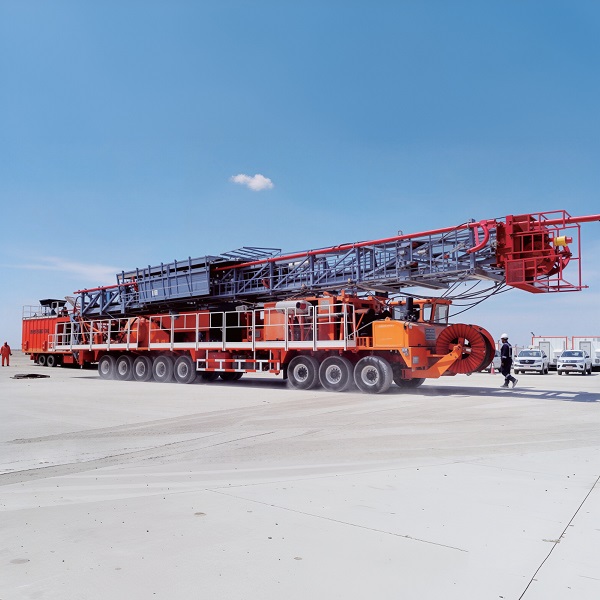
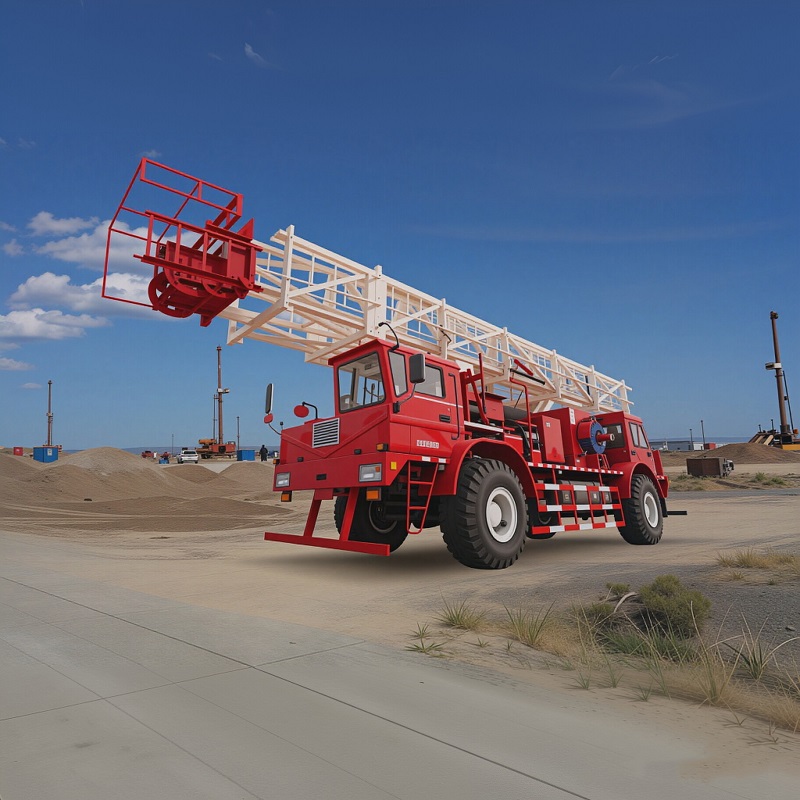
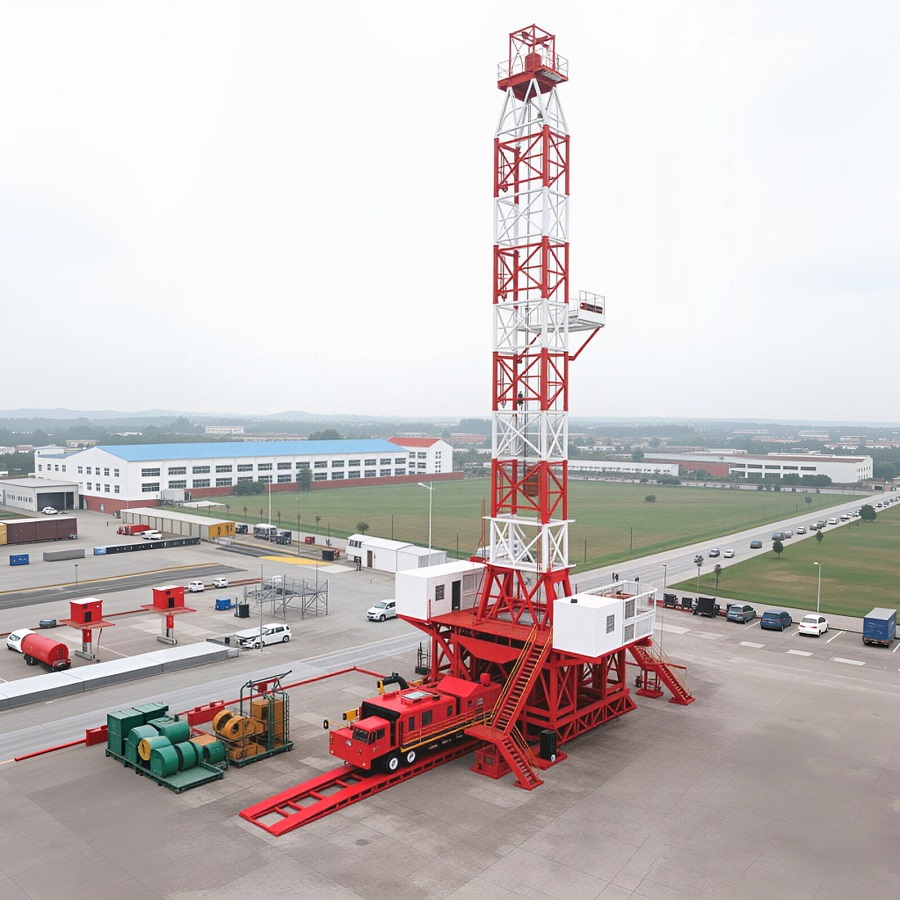
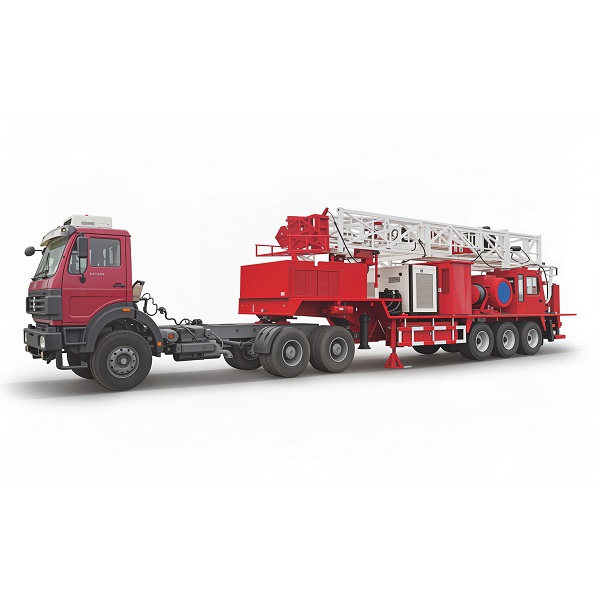
Well intervention is a broad term covering any operation on an existing well. Light intervention (through-tubing work like slickline, e-line, coiled tubing) can be done without pulling the tubing. A full workover involves pulling and rerunning the tubing string, requiring a workover rig. Many intervention operations start with light methods, and escalate to a full workover if needed.
What size rig do I need for well intervention work?
It depends on the operation. Routine tubing pulling and plug setting typically need a 100–150 ton rig. Heavier work like casing repair or sidetracking needs a 150–225 ton rig. Tell us your typical intervention operations, and we will recommend the right size for your program.
Do your rigs have BOP and well control capability?
Yes. All our workover rigs can be equipped with BOP (blowout preventer) handling systems and well control equipment. Well control is critical for safe intervention work on pressurized wells. We can configure the well control package to match your specific requirements and regulatory standards.
Can your rigs work with coiled tubing units?
Yes. Many intervention operations use both workover rigs and coiled tubing units. The workover rig provides hoisting, well control, and surface equipment, while the coiled tubing unit handles through-tubing work. Our rigs are designed to work efficiently alongside coiled tubing and other intervention equipment.
How quickly can your rigs mobilize for intervention work?
One of the biggest advantages of truck-mounted workover rigs is fast mobilization. Intervention work often requires quick response. Once on location, rig up time varies by rig size and crew experience, but typically takes a few hours. This is much faster than skid-mounted rigs that require disassembly and reassembly at each location.