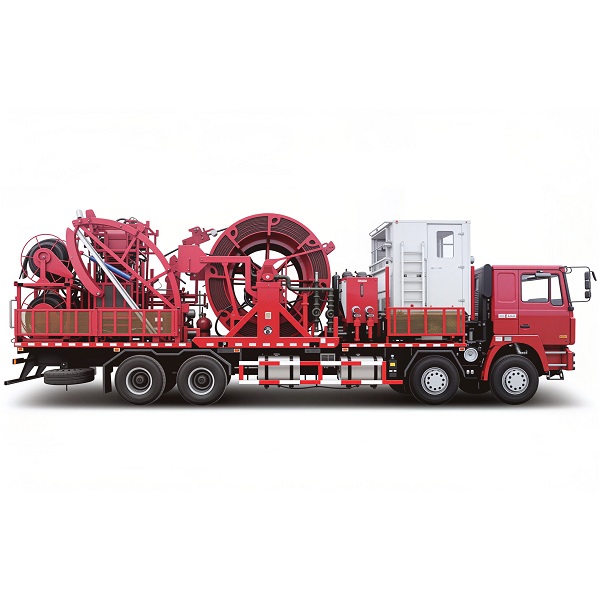
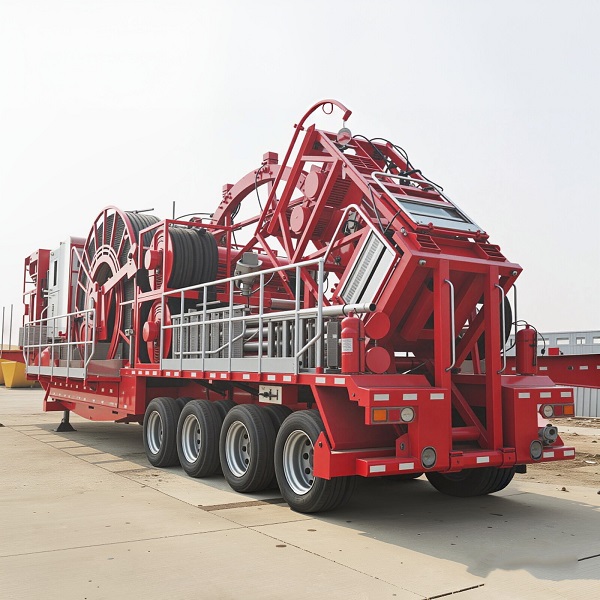
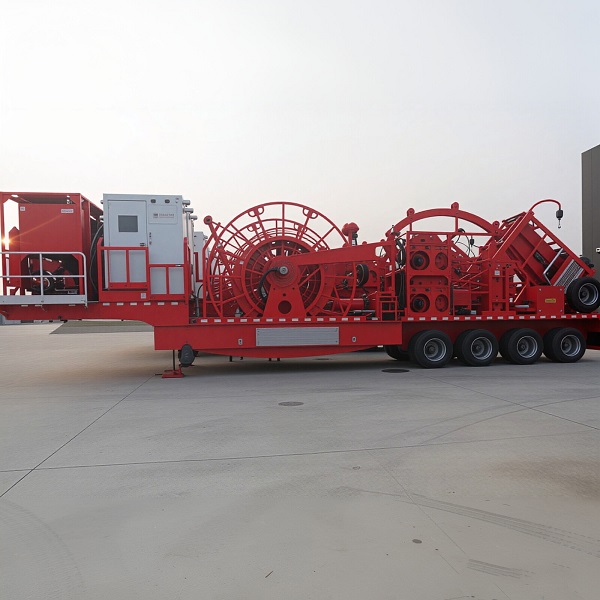
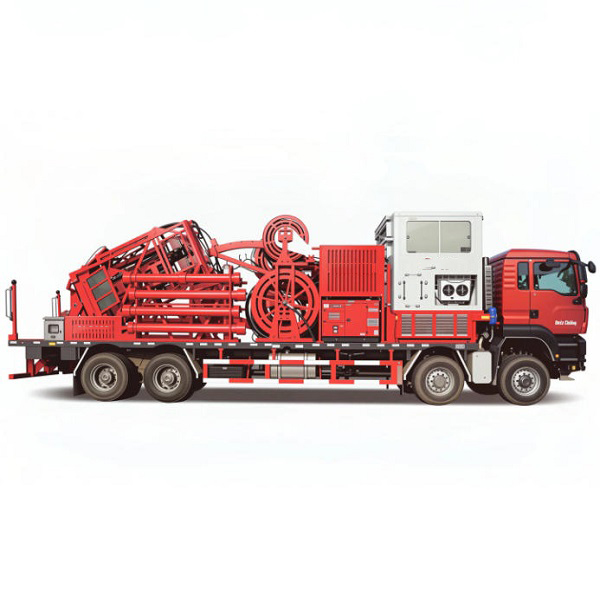
Can coiled tubing really work on a live well without killing it?
Yes —that's one of the biggest advantages of coiled tubing. The coiled tubing runs through pressure control equipment (BOP stack, riser) that contains well pressure while the pipe is in the well. This allows intervention on a live, pressurized well without killing it. This saves the cost of killing and returns the well to production, and avoids killing fluid damage to the reservoir.
What size coiled tubing unit do I need for typical well intervention work?
For most general intervention work (cleanout, acidizing, perforating), a 2-3/8" CTU with 450 kN pulling force is sufficient. If you have deeper wells, higher flow rate needs, or milling operations, you may need a 2-7/8" or larger unit. Tell us your well depth and typical operations, and we will recommend the right size.
Is coiled tubing cheaper than a conventional workover rig?
For many intervention operations, yes —coiled tubing is more cost-effective. It rigs up faster, requires fewer crew, and doesn't require pulling the completion. But for heavy workover (pulling tubing string, casing work), a conventional workover rig is the right tool. The choice depends on the specific operation.
Can coiled tubing handle highly deviated or horizontal wells?
Yes. Coiled tubing is actually preferred for highly deviated and horizontal wells, where conventional jointed pipe becomes difficult to run. The continuous string and injector head design allow effective deployment in deviated wellbores. Proper bottomhole assembly and drag reduction techniques are important for horizontal applications.
What pressure rating do I need for my CTU?
Most onshore well intervention work uses 70 MPa (10,000 psi) working pressure, which is our standard rating. For higher-pressure wells or high-pressure injection work, we can upgrade to 105 MPa (15,000 psi) rated pressure control equipment. Tell us your well pressure requirements, and we will recommend the right pressure rating.