Sand, Scale, Paraffin Removal

Coiled Tubing Units for Well Cleanout

Sand production, scale buildup, paraffin deposition —these common problems reduce or stop well flow. Coiled tubing cleanout is the most efficient way to restore well productivity: continuous circulation, live-well operation, and precise placement at the target depth. Our CTUs are designed for high-rate, reliable well cleanout operations.

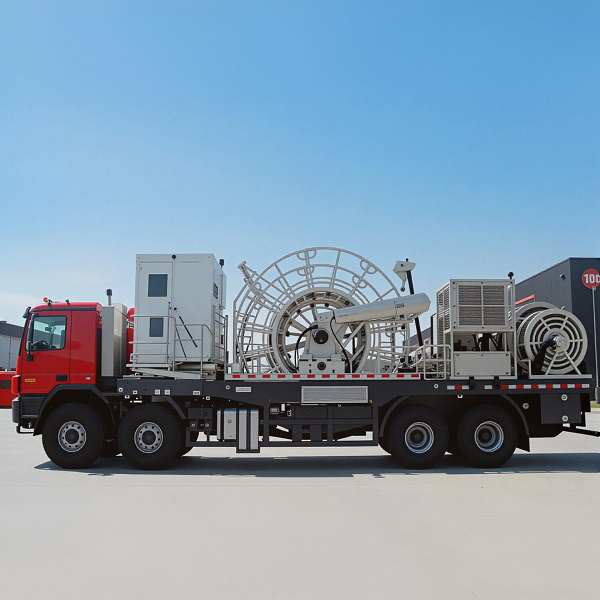
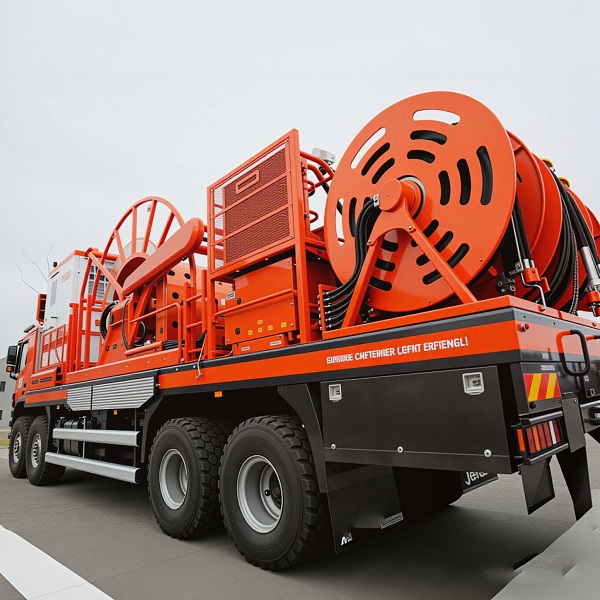
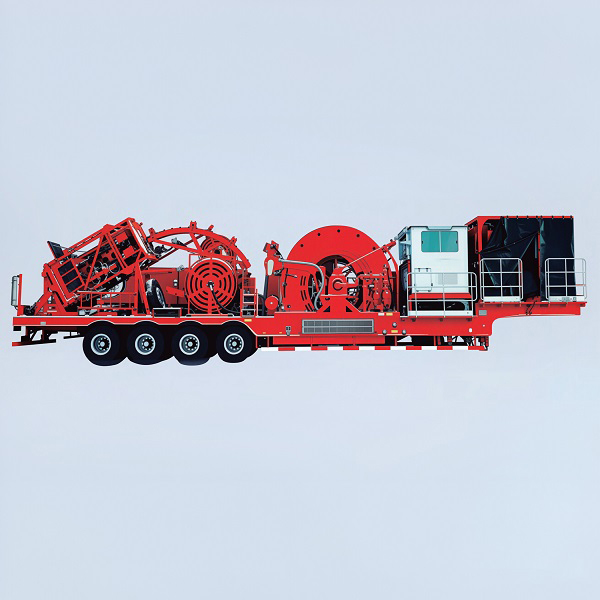
Coiled tubing unit for well cleanout

Common Well Cleanout Applications

Well cleanout covers several different types of downhole buildup. Each requires the right CTU configuration and bottomhole assembly.

Sand Cleanout

Produced sand settles in the wellbore, restricting flow and damaging downhole equipment. Coiled tubing cleanout uses high-rate circulation with proper bottomhole assembly to fluidize and lift sand out of the wellbore. One of the most common CT applications.

Scale Removal

Mineral scale (calcium carbonate, barium sulfate, etc.) builds up on tubing and casing, reducing flow area. Mechanical scale removal with coiled tubing (milling, brushing) or chemical scale dissolving with CT-placed chemicals. Restores well flow efficiency.

Paraffin Removal

Paraffin wax deposits in tubing and flowlines, restricting production. Thermal paraffin removal (hot oil, hot water, or heated fluid pumped through coiled tubing) or mechanical removal with scrapers. Common in colder well environments.

Debris Cleanup

Various debris (cement cuttings, formation fines, junk from previous operations) accumulates in the wellbore. Coiled tubing cleanup removes this debris to restore proper wellbore conditions before further operations.

Why Use Coiled Tubing for Well Cleanout?

Coiled tubing is the preferred method for most well cleanout operations.

Live Well Cleanout

Cleanout can be performed on live, producing wells without killing them. The well keeps producing during the operation, and returns to normal production immediately after. No need to kill the well with heavy mud.

Continuous Circulation

The continuous coiled tubing string allows uninterrupted circulation throughout the cleanout. This is critical for efficient hole cleaning —the fluid keeps moving and lifting debris continuously.

Precise Depth Control

The injector head and reel provide precise depth control. The CT operator knows exactly where the bottomhole assembly is in the well, allowing targeted cleanout at the correct depth.

Faster Than Workover Rigs

Compared to pulling tubing with a workover rig, coiled tubing cleanout is much faster. No need to pull the completion —just run in through the production tubing and clean the wellbore.

Lower Overall Cost

For most cleanout operations, coiled tubing is the most cost-effective option. Faster rig up, fewer crew, and no rig day rate make it economical for routine well maintenance.

Deviated Well Capable

Coiled tubing can clean out deviated and horizontal wells where conventional methods become difficult. The continuous string and proper bottomhole assembly can reach the total depth.

What CTU Configuration You Need for Cleanout

Well cleanout doesn't need the largest CTU. The right configuration depends on your well conditions.

Cleanout Type Tubing Diameter Key Requirements Recommended CTU Size
Sand cleanout (light) 2-3/8 inch Good flow rate, BHA for hole cleaning 450 kN pulling force (general unit)
Sand cleanout (heavy / deep) 2-7/8 inch High flow rate, more pull force 600 kN pulling force (medium-duty)
Scale removal (mechanical) 2-3/8–2-7/8 inch Mud motor, scale mill / brush 450–600 kN (general / medium-duty)
Paraffin removal (thermal) 1.75–2-3/8 inch Hot fluid delivery capability 250–450 kN (slimhole / general)
Debris / junk cleanup 2-3/8–2-7/8 inch Magnet, junk basket, overshot 450–600 kN (general / medium-duty)

Note: These are general reference ranges. Your actual requirements depend on well depth, deviation, tubing size, and the type and amount of downhole material to clean. Consult a CT engineering specialist for precise design.

Frequently Asked Questions

What size coiled tubing unit do I need for sand cleanout?

For most routine sand cleanout, a 2-3/8" CTU with 450 kN pulling force is sufficient. For deep wells, heavy sand volumes, or horizontal well cleanout, you may need a 2-7/8" or larger unit with higher flow rate capability. Tell us your well depth, deviation, and how much sand you typically produce, and we will recommend the right size.

Can coiled tubing really clean out a deviated or horizontal well?

Yes. Coiled tubing is actually the preferred method for deviated and horizontal well cleanout. The continuous string can be pushed into deviated wellbores, and proper bottomhole assembly designs help transfer weight to the bit. For highly deviated wells, CT weight management and drag reduction techniques are important for successful cleanout.

How long does a typical coiled tubing cleanout take?

It depends on the well depth, amount of debris, and flow rate capability. A typical light cleanout on a vertical well might take 1–3 days. A heavy sand cleanout on a deep or horizontal well might take 3–5 days. We can help you estimate based on your well conditions and the CTU configuration you have.

Do I need to kill the well before a coiled tubing cleanout?

No —that's one of the biggest advantages of coiled tubing cleanout. The CTU runs through pressure control equipment (BOPs, risers) that contain well pressure, allowing cleanout on a live, producing well. You don't need to kill the well, and it returns to production immediately after the operation.

What fluids are used for coiled tubing cleanout?

Cleanout fluid depends on the type of debris. For sand cleanout, typically brine or produced water is circulated at high rate. For scale removal, chemical dissolvers may be used. For paraffin removal, heated oil or water is pumped. Your CT service company will design the fluid program based on the well conditions and the type of downhole material to remove.

Need a Coiled Tubing Unit for Well Cleanout?

Tell us about your wells and cleanout requirements. Our engineers will help you choose the right CTU configuration for your well cleanout program.