
Maximize Production
Regular well servicing keeps pumps running, tubing clear, and wells producing at their optimal rate. Without routine maintenance, production declines and wells may require more expensive workover operations later.
Well servicing is the routine maintenance work that keeps producing wells flowing. From rod pulling and pump changes to tubing running and production optimization, workover rigs are the workhorses of daily oilfield operations. Our truck-mounted rigs are designed for fast mobilization between wells.
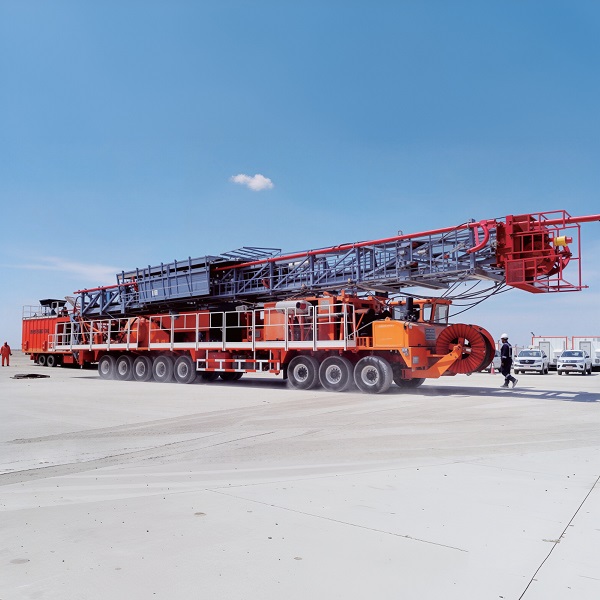
Well servicing is the routine and corrective maintenance work performed on producing wells to maintain or restore production. It is essential for maximizing the economic life of every well.
Regular well servicing keeps pumps running, tubing clear, and wells producing at their optimal rate. Without routine maintenance, production declines and wells may require more expensive workover operations later.
Fast mobilization between wells is critical for production teams. Truck-mounted workover rigs can drive to the next well, rig up, and start working —minimizing downtime and maximizing revenue.
Proper well servicing extends the productive life of wells, delaying the need for expensive workover or abandonment. It is the most cost-effective way to maximize field value.
Well servicing operations must be performed safely and in compliance with regulations. Reliable equipment and trained crews are essential for safe, compliant well maintenance work.
Well servicing covers a wide range of routine maintenance tasks. Our workover rigs are designed for these common operations:
Pulling and running sucker rods for pump changes, rod string repairs, and artificial lift adjustments. One of the most common well servicing operations.
Changing downhole pumps (rod pumps, ESPs, etc.) when they fail or need upgrading. Fast pump changes are critical for minimizing well downtime.
Running and pulling tubing strings for well interventions, completions, and workover operations. Requires proper hoisting capability and pipe handling.
Cleaning scale, paraffin, and other deposits from tubing, or repairing tubing leaks and damage. Restores well flow efficiency.
Support for acidizing, fracturing, and other stimulation operations. Workover rigs provide hoisting and well control capability during stimulation work.
Setting and retrieving bridge plugs, plugback plugs, and downhole barriers. Used for zonal isolation, well suspension, and workover operations.
We supply workover rigs specifically suited to the demands of daily well servicing operations.
Our light service rigs are ideal for routine well servicing: rod pulling, pump changes, and light tubing work. Fast, maneuverable, and easy to operate —perfect for production teams servicing large well counts.
Our medium-duty rigs handle heavier work: full tubing pulling, casing operations, and more demanding workover tasks. When routine servicing isn't enough, these rigs get the job done.
All our rigs are truck-mounted for fast mobilization between well locations. Drive to the next well, rig up in hours, and start working —critical for production teams that need to move quickly.
Our rigs are built for continuous, daily operation. Simple mechanical designs are easy to maintain in remote locations. Spare parts are readily available to minimize downtime.
These are our most commonly recommended models for well servicing and routine maintenance operations:
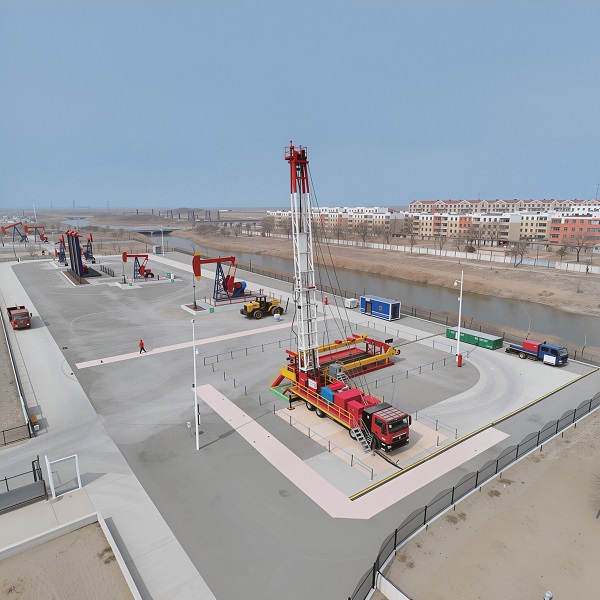
40 tons hook load. Light service rig for rod pumping, pump changes and routine well servicing.
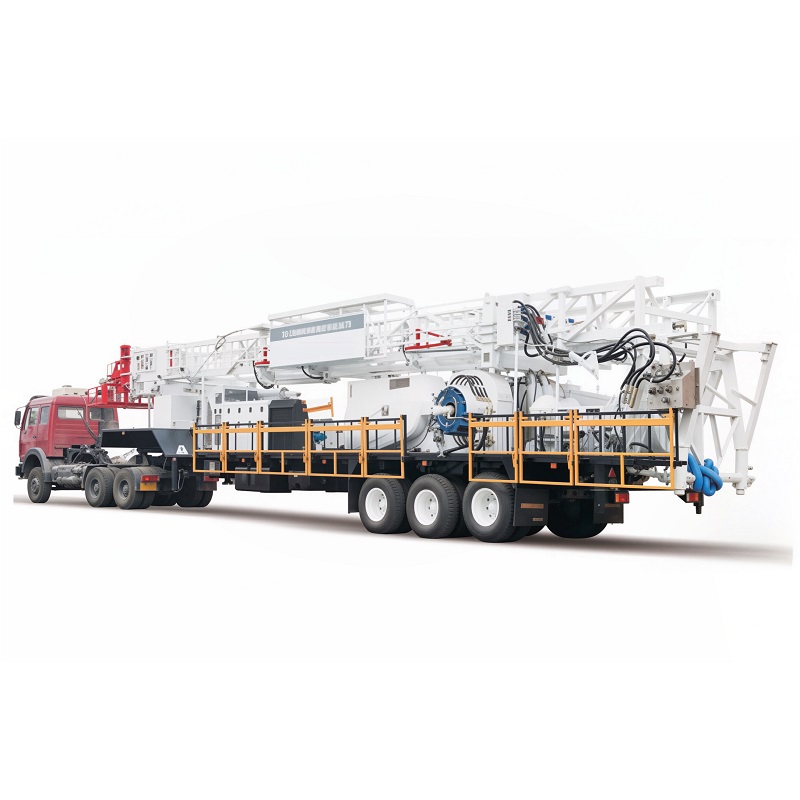
70 tons hook load. Our most popular well servicing rig for general workover and completion work.
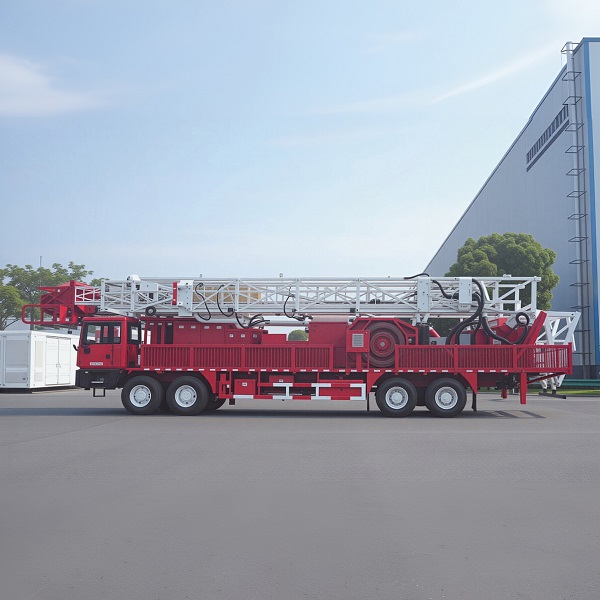
100 tons hook load. Medium-duty rig for heavier workover and intervention operations.
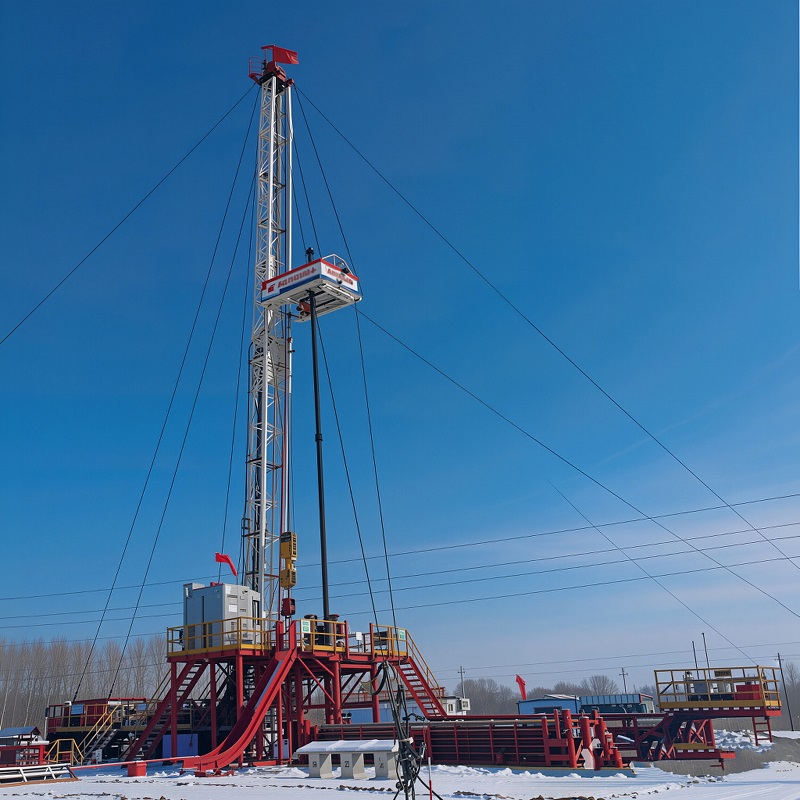
150 tons hook load. Heavy-duty rig for demanding workover jobs and casing operations.
Choosing the right rig for your well servicing operation depends on several key factors:
| Operation Type | Recommended Rig Class | Hook Load | Drive Type | Key Requirements |
|---|---|---|---|---|
| Routine rod pulling & pump changes | Light Service (40–70 ton) | 40–70 tons | Mechanical | Fast mobilization, easy operation |
| Tubing running & pulling | Medium (70–100 ton) | 70–100 tons | Mechanical / Hydraulic | Adequate hoisting, pipe handling |
| Heavy workover & casing work | Heavy-Duty (150–225 ton) | 150–225 tons | Hydraulic | High hook load, precise control |
Note: These are general reference ranges. Your actual requirements depend on your well depth, tubing size, and typical operations. Consult your production engineer for precise rig selection.
For routine well servicing (rod pulling, pump changes, light tubing work), a 40–60 ton light service rig is typically sufficient. If you regularly do full tubing pulls or heavier work, you may want a 100 ton or larger rig. Tell us your typical operations and well depth, and we will recommend the right size for your program.
One of the biggest advantages of truck-mounted workover rigs is fast mobilization. Once the rig is rigged down, it can drive to the next well location like any other truck. Rig up time varies by rig size and crew experience, but typically takes a few hours. This is much faster than skid-mounted rigs that require disassembly and reassembly at each location.
For routine well servicing, a mechanical rig is usually sufficient —it is simpler, more reliable, and easier to maintain. Hydraulic rigs offer more precise control and higher efficiency, which is beneficial for complex intervention work or modern operations. If you primarily do routine rod pulling and pump changes, a mechanical rig is the most economical choice.
Yes. Our workover rigs are designed to handle all common well servicing operations including artificial lift changes. For ESP (electric submersible pump) work, you need sufficient hoisting capacity for the ESP string. For rod pump work, a lighter service rig is typically sufficient.
With proper maintenance and service, a workover rig can operate for 20+ years. The heavy structural components (mast, substructure, chassis) are built for decades of service. Wear components (drawworks brakes, swivel seals, etc.) are replaced periodically as part of normal maintenance. A properly maintained rig will provide many years of reliable service.
Tell us about your well count, typical operations, and field conditions. Our engineers will help you choose the right workover rig configuration for your well servicing program.