Block and Tackle System | Crown & Traveling | API 8C

Crown Block & Traveling Block: The Block and Tackle System

The crown block and traveling block work together as a block and tackle system to lift and lower the drill string. The crown block is fixed at the top of the derrick, and the traveling block moves up and below. The wire rope passes over sheaves in both blocks, creating mechanical advantage.

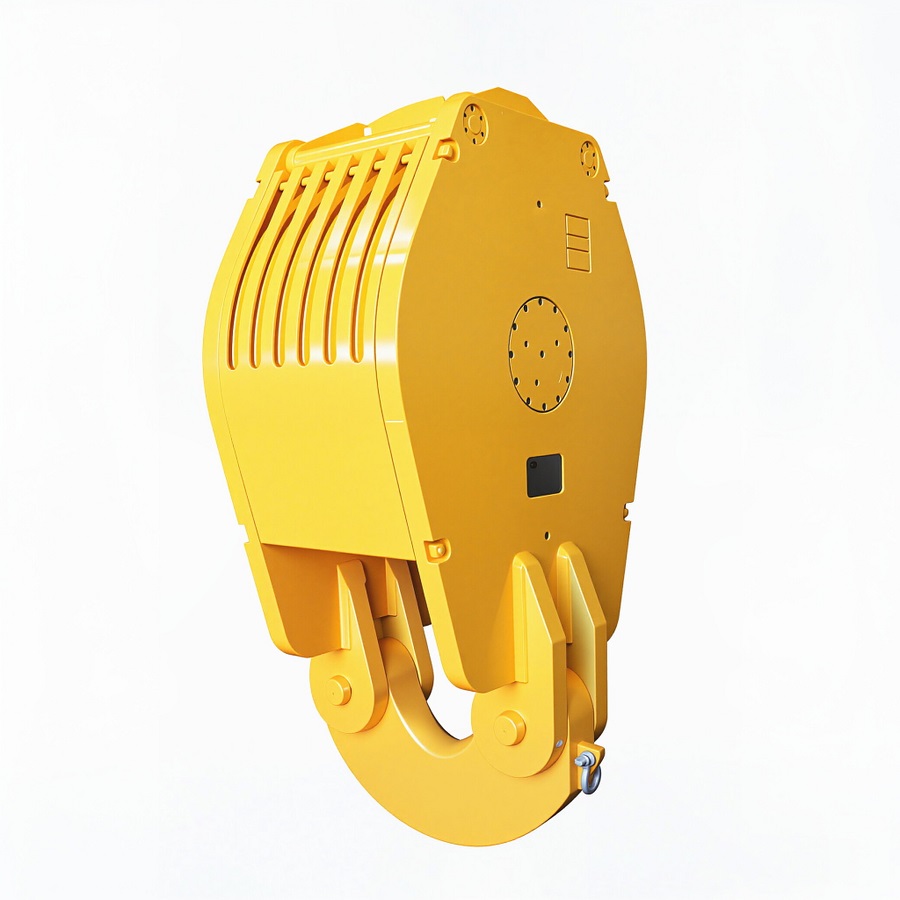
Crown block and traveling block system

How the Block and Tackle System Works

The System Layout

  • Crown block: Mounted at the top of the derrick (stationary)
  • Traveling block: Hangs below the crown block (movable)
  • Wire rope: Runs between drawworks —?crown —?traveling —?dead end
  • Dead end: Fixed anchor point on the derrick or rig structure
  • Number of lines: Determines mechanical advantage

Mechanical Advantage

  • 4 lines: Lifting force = 4 x drawworks pull (light rigs)
  • 6 lines: Lifting force = 6 x drawworks pull (workover rigs)
  • 8 lines: Lifting force = 8 x drawworks pull (medium rigs)
  • 10 lines: Lifting force = 10 x drawworks pull (large rigs)
  • 12+ lines: Lifting force = 12+ x drawworks pull (deep rigs)

Crown Block: Detailed Overview

Crown Block Design

The crown block consists of multiple sheaves mounted on a heavy steel frame. It is bolted to the top of the derrick. The number of sheaves matches the number of lines used in the hoisting system. Crown blocks also include a crown oil saver or wire rope guide. The sheaves are grooved to match the wire rope diameter. Crown blocks are rated for the total load of all lines combined.

Crown Block Safety Features

Crown blocks include safety features: wire rope guards to prevent rope from jumping off sheaves, and a crown block stop to prevent the traveling block from hitting the crown block in case of over-travel. Some crown blocks also include a dog house (operator platform) for inspection and maintenance. Regular inspection of crown block sheaves and bearings is essential for hoisting safety.

Traveling Block: Detailed Overview

Traveling Block Design

The traveling block consists of sheaves mounted in a steel frame that hangs from the wire rope. It moves up and down as the drawworks pulls or releases the wire rope. The traveling block connects to the hook below. The number of sheaves in the traveling block matches the crown block. Traveling blocks are the most heavily loaded components on the rig.

Traveling Block Safety Features

Traveling blocks include: wire rope guards to prevent rope jump, and a swivel joint at the hook connection to allow rotation. The block frame must be inspected regularly for cracks and wear. Sheave bearings must be properly lubricated. API 8C requires a 3:1 design factor for all traveling block components. Never operate a traveling block with cracked or damaged components.

Sheave Diameter & Wire Rope Compatibility

Wire Rope Diameter Minimum Sheave Diameter Typical Rig Size
7/8" (22 mm) 530 mm (20.9") Workover rig, small drilling rig
1" (25 mm) 610 mm (24") Medium drilling rig
1-1/8" (28 mm) 660 mm (26") Standard land drilling rig
1-1/4" (32 mm) 760 mm (30") Large land drilling rig
1-3/8" (35 mm) 840 mm (33") Deep drilling rig
1-5/8" (41 mm) 1000 mm (39") Ultra-deep drilling rig

Important: The sheave diameter must be at least 18-20 times the wire rope diameter for optimal rope life. Using undersized sheaves significantly reduces wire rope life.

How Many Lines Do You Need?

Calculation

  • Maximum hook load = drill string weight + safety margin
  • Drawworks line pull capacity = known
  • Number of lines = hook load / drawworks line pull
  • Round up to the next even number (lines are always even)
  • Consider efficiency losses (each sheave reduces efficiency by ~2-3%)

Practical Guidance

  • Workover rigs: 4-6 lines
  • Small drilling rigs: 6-8 lines
  • Medium drilling rigs: 8-10 lines
  • Large drilling rigs: 10-12 lines
  • Deep drilling rigs: 12-14 lines

Frequently Asked Questions About Crown & Traveling Blocks

Can I mix crown blocks and traveling blocks from different manufacturers?

Yes, as long as both meet API 8C standards and are compatible. The key compatibility factors are: same number of sheaves, same sheave diameter (must match wire rope size), and same load rating. The crown block and traveling block don't need to be from the same manufacturer because they follow the same API standard. However, it's good practice to match them for consistent performance. Always verify compatibility before installation.

How often should I replace the wire rope?

Wire rope replacement depends on usage and condition. Typical life is 1-3 years for drilling line. Replace wire rope when you see: broken wires (more than allowed per API standards), corrosion, excessive wear, kinks or birdcaging, or diameter reduction. Perform a weekly visual inspection. Run a caliper check periodically to measure rope diameter. Keep detailed records of rope age and usage. When in doubt, replace it —wire rope failure is catastrophic.

What is a "block line" and why does it matter?

The block line is the wire rope that runs between the crown block and traveling block. It is the actual load-bearing element. The number of lines (strands of rope between the blocks) determines the mechanical advantage. More lines = more lifting force but slower speed. The block line must be properly spliced and seated in the sheaves. Proper block line maintenance (cutting off worn sections, rotating dead end) extends rope life and improves safety.

What happens if the traveling block hits the crown block?

This is called "opening the crown" —it's a serious incident. If the traveling block travels too far up and hits the crown block, it can damage both blocks, the derrick, and the wire rope. It can also cause the drill string to be dropped if the hook latch releases. This is why crown blocks have a crown block stop (mechanical stop) and the driller has a limit switch alarm. Always pay attention to the block position indicator. Never operate with a faulty limit switch.

What is the cost of a crown block and traveling block set?

The cost depends on size and configuration. A light-duty (150 ton) set may cost USD 10,000-25,000. A medium-duty (315-450 ton) set typically costs USD 25,000-50,000. A heavy-duty (675-900 ton) set can cost USD 50,000-100,000 or more. The price includes both crown block and traveling block. Custom configurations (special materials, offshore ratings) add cost. Contact us for a detailed quotation based on your specific requirements.

Need Crown & Traveling Block System?

Tell us your rig size, hook load and wire rope size. Our engineering team will recommend the optimal crown and traveling block configuration and provide a detailed quotation within 48 hours.