Drilling Hoisting System | Sheave Assembly | API 8C

Traveling Block: The Lifting Heart of the Drilling Rig

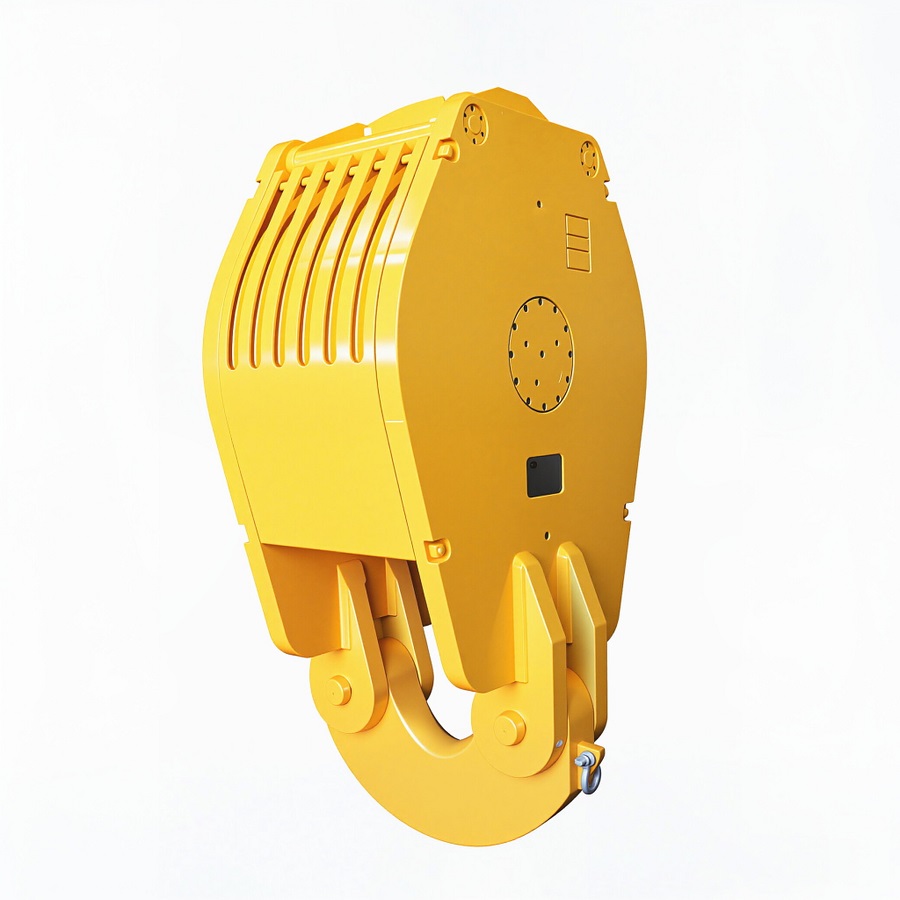
The traveling block is a key component of the drilling rig hoisting system. It works together with the crown block, wire rope and drawworks to lift and lower the drill string. It converts the pulling force of the drawworks into a vertical lifting force on the drill string.

Traveling block for drilling rig hoisting system

How Does a Traveling Block Work?

The traveling block works as part of the block and tackle system:

The Block and Tackle System

  • Drawworks: Pulls the wire rope
  • Crown block: Fixed at the top of the derrick
  • Traveling block: Moves up and down with the hook
  • Wire rope: Spools between crown and traveling block
  • Multiple lines: Increase mechanical advantage

Mechanical Advantage

  • With 6 lines: lifting force = 6 x drawworks pull
  • With 8 lines: lifting force = 8 x drawworks pull
  • With 10 lines: lifting force = 10 x drawworks pull
  • More lines = more lifting force but slower speed
  • Typical drilling rigs use 6-12 lines depending on load

Traveling Block Design

Key Components

  • Sheaves: Grooved wheels that guide the wire rope
  • Sheave bearings: Roller bearings for smooth rotation
  • Side plates: Heavy steel plates that hold the sheaves
  • Hook connection: Connects to the traveling hook below
  • Wire rope guard: Prevents rope from jumping off sheave

Sheave Count

  • 3-sheave block: Light duty, workover rigs
  • 4-sheave block: Medium duty, small drilling rigs
  • 5-sheave block: Standard duty, medium drilling rigs
  • 6-sheave block: Heavy duty, large drilling rigs
  • 7+ sheave block: Extra heavy, ultra-deep drilling rigs

Typical Traveling Block Sizes

Model Load Capacity Sheave Count Sheave Diameter Typical Rig Size
YC-150 150 tons 3 660 mm Workover rig, small drilling rig
YC-225 225 tons 4 711 mm Medium drilling rig
YC-315 315 tons 5 915 mm Standard land drilling rig
YC-450 450 tons 6 1070 mm Large land drilling rig
YC-675 675 tons 7 1270 mm Deep drilling rig
YC-900 900 tons 8 1270 mm Ultra-deep drilling rig

Applications of Traveling Blocks

Drilling Rigs

The traveling block is the primary lifting component on drilling rigs. It lifts and lowers the drill string during tripping operations. It also supports the drill string weight while drilling. The size and capacity are matched to the rig's drilling depth and hook load requirements.

Workover Rigs

Workover rigs use smaller traveling blocks than drilling rigs. They lift and lower tubing strings during workover operations. Workover traveling blocks are typically lighter and more compact. They are often combined with the hook as a single traveling block and hook assembly.

Offshore Platforms

Offshore drilling and workover rigs use specialized traveling blocks designed for marine environments. They are built with corrosion-resistant materials and compact designs. Offshore traveling blocks must meet strict weight and space constraints due to platform deck limitations.

Maintenance & Inspection

Regular Inspection

  • Check sheave condition for wear, cracks or damage
  • Check wire rope groove wear
  • Check sheave bearings for smooth rotation
  • Check side plates for cracks or deformation
  • Check hook connection for wear or damage

Maintenance Procedures

  • Lubricate sheave bearings regularly
  • Replace worn sheaves before they fail
  • Check and replace wire rope as needed
  • Inspect for NDE (non-destructive examination) annually
  • Keep maintenance records for regulatory compliance

Frequently Asked Questions About Traveling Blocks

What is the difference between a crown block and a traveling block?

A crown block is fixed at the top of the derrick. A traveling block moves up and down with the hook. Both are sets of sheaves (grooved wheels) that the wire rope passes over. The crown block is stationary, and the traveling block moves. Together they form the block and tackle system that lifts the drill string. The number of sheaves in the traveling block determines how many lines are used and the mechanical advantage.

How do I choose the right traveling block for my rig?

The traveling block size is determined by the hook load (maximum weight to be lifted) and the number of lines. Calculate the maximum hook load (drill string weight + drilling fluid weight + safety margin). Then determine how many lines you need based on the drawworks pulling capacity. Choose a traveling block with enough sheaves for the required number of lines and a load capacity that exceeds the maximum hook load with safety margin. API 8C requires a 3:1 design factor.

What is the typical lifespan of a traveling block?

With proper maintenance, the traveling block frame (side plates and shaft) lasts 15-20 years. The sheaves and bearings are wear items that need periodic replacement. Sheaves typically last 3-5 years depending on wire rope condition and operating hours. Sheave bearings last 1-3 years. Regular inspection and timely replacement of worn components is essential for safety. Never operate a traveling block with cracked or damaged components.

Can I use a traveling block from another manufacturer on my rig?

Yes, as long as it meets the API 8C standard and has compatible dimensions and load capacity. The key dimensions to match are: sheave diameter (must match wire rope size), number of sheaves (must match line count), and hook connection type. Many traveling blocks are interchangeable between manufacturers because they follow API standards. However, always verify compatibility with your rig's derrick, drawworks and wire rope before installation.

What is the cost of a traveling block?

The cost depends on size and capacity. A light-duty (150 ton) traveling block may cost USD 5,000-15,000. A medium-duty (315-450 ton) block typically costs USD 15,000-30,000. A heavy-duty (675-900 ton) block can cost USD 30,000-60,000 or more. The price includes the block, hook connection, and standard accessories. Custom configurations and special materials (NACE for sour service) add cost. Contact us for a detailed quotation based on your specific requirements.

Need a Traveling Block for Your Rig?

Tell us your rig size, maximum hook load and required number of lines. Our engineering team will recommend the optimal traveling block configuration and provide a detailed quotation within 48 hours.