Matched Pair | API 8C | Sheave Count Match

Crown Block and Traveling Block: A Matched Pair That Must Work Together

The crown block sits at the top of the mast. The traveling block moves up and down. The drilling line runs over the crown and under the traveling block —they're two halves of the same pulley system. If you replace one without replacing the other, you're asking for trouble: mismatched sheave counts, different groove diameters, or misaligned sheaves all cause uneven line wear, premature rope failure, and dangerous operating conditions. Buy them as a matched set and the whole system works the way it was designed.

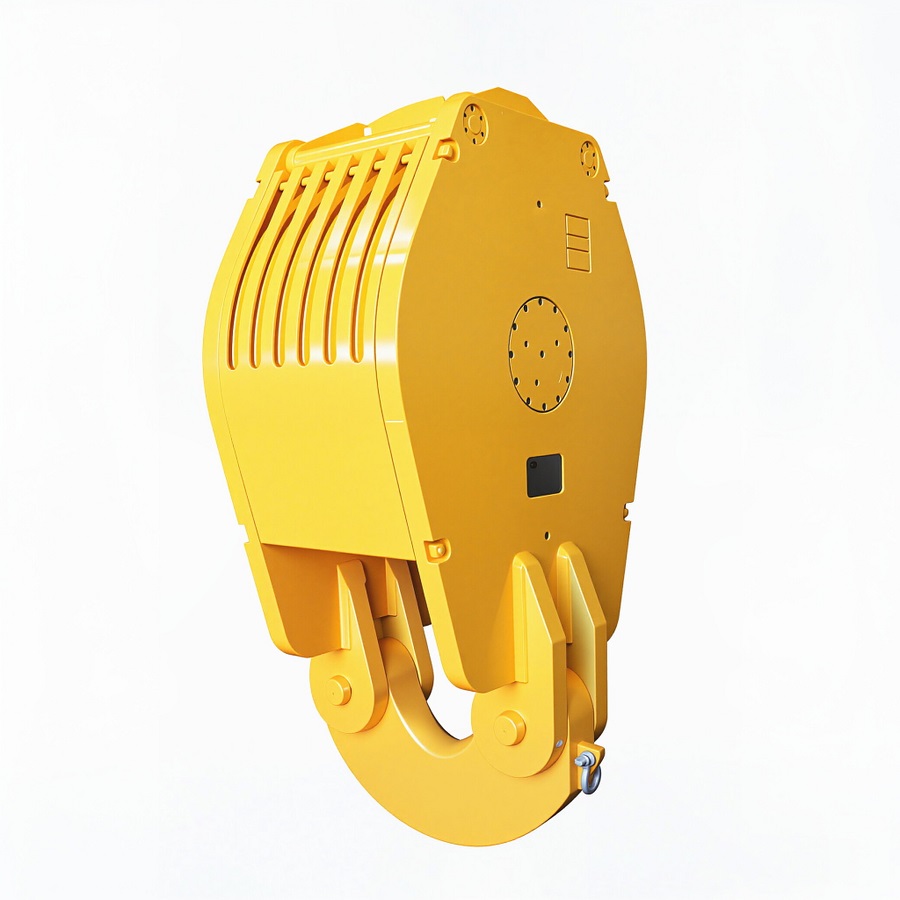
Crown block and traveling block matched set

Why They Must Be Matched

A crown block and traveling block are a system, not two independent parts. Here's what must match:

  • Number of Sheaves: The crown block and traveling block must have the same number of sheaves. If the crown has 5 sheaves and the traveling block has 4, you can't string the line correctly. The number of line parts is determined by the sheave count —they have to be equal.
  • Sheave Groove Diameter: The groove in each sheave is sized for a specific drilling line diameter. If the crown block has grooves for 1-1/8" line and the traveling block has grooves for 1-1/4" line, the line won't seat properly in one of them. This causes uneven wear and shortens rope life dramatically.
  • Sheave Alignment: When the line runs from crown to traveling block, the sheaves must line up vertically. If one set is offset, the line rubs on the side of the sheave flange. This is called "side loading" and it's a major cause of sheave and rope damage.
  • Load Rating: Both blocks should be rated for the same load. If the crown is rated to 500 tonnes and the traveling block is rated to 350 tonnes, the traveling block is the weak point. The system is only as strong as the weakest component.

Crown Block vs Traveling Block: What Each Does

Crown Block (Fixed)

Mounted at the top of the mast. It's the fixed set of sheaves that redirects the drilling line. Also includes the deadline anchor point and usually a weight indicator sensor. The crown block doesn't move —it just changes the direction of the line.

Traveling Block (Moving)

Hangs below the crown, moving up and down the mast. It's the moving set of sheaves that carries the hook and drill string. The traveling block is where the load is actually lifted. It travels the full height of the mast when tripping pipe.

Typical Sheave Block Set Specifications

Set Rating Sheaves (each) Line Parts Sheave Diameter Line Diameter
150 tonnes 4 6 610 mm (24") 28 mm (1-1/8")
225 tonnes 4 - 5 8 660 mm (26") 32 mm (1-1/4")
350 tonnes 5 - 6 10 710 mm (28") 35 mm (1-3/8")
500 tonnes 6 12 760 mm (30") 38 mm (1-1/2")

Frequently Asked Questions

Can I replace just the crown block without replacing the traveling block?

It depends. If you're replacing the crown because of wear, and the traveling block is in good shape, you can replace just the crown —but you must verify that the new crown block matches the existing traveling block in sheave count, sheave diameter, and groove size. If the new crown block has different specifications, you're creating a mismatch. The safest approach: if one block needs replacement due to wear or damage, inspect the other one carefully. If it's also near the end of its service life, replace both. The cost of replacing both is modest compared to the risk of a mismatch failure.

How do I measure sheave groove wear?

Use a sheave groove gauge (a specialized measuring tool). Measure the groove diameter at the point of maximum wear (usually the bottom of the groove where the rope rides). Compare to the new specification. If the groove has worn more than 10% of its original diameter, replace the sheave. Also check the groove profile —it should be a smooth semicircle that matches the rope diameter. If the groove becomes worn flat or has a "step" in it, the rope won't seat properly and will wear rapidly.

What is a crown block protection device?

Also called a "dead man" or overwind protection. It's a mechanical arm or sensor that triggers a shutdown if the traveling block gets too close to the crown block. Without it, the driller could accidentally pull the traveling block into the crown —a catastrophic failure that can destroy the block, the line and the mast. Modern rigs have both mechanical and electronic overwind protection. Every crown block should have one. If yours doesn't, add one before the next trip.

Need a Crown and Traveling Block Set?

Tell us your required hook load, number of line parts and drilling line diameter. We'll supply a matched, certified crown block and traveling block set engineered to work together.