
Frac Manifold: The Junction of the Frac Spread
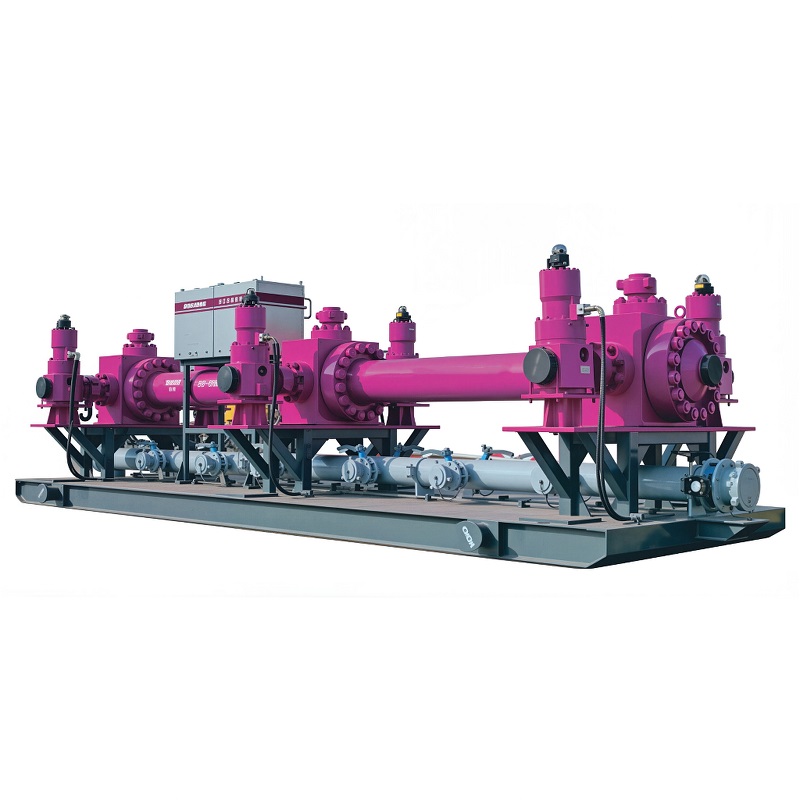
A frac manifold (fracturing manifold) is the high-pressure piping system that connects multiple frac pumps to the wellhead. It collects the combined flow from 6-12 pump trucks and directs it into the well. It is the critical junction where high-pressure, high-volume slurry meets the wellhead.
How the Frac Manifold Works
The frac manifold distributes and combines high-pressure flow:
- Inlet lines: Multiple 2-4 inch lines from individual frac pump trucks
- Header: Large-diameter common pipe that combines all flows
- Outlet: Single (or dual) line going to the wellhead
- Valves: Gate valves on each inlet line to isolate individual pumps
- Choke: Adjustable choke to control wellhead pressure if needed
- Blind flange: Blind flange and bleed connections for safety
The manifold sits on the ground between the pump trucks and the wellhead. It is a critical safety component —if a pump needs to be isolated, the manifold valves allow that without shutting down the entire spread.
Typical Specifications
| Parameter | Typical Range |
|---|---|
| Working pressure | 70 - 105 MPa (10,000 - 15,000 psi) |
| Inlet size | 2 - 4 inch (50 - 100 mm) per pump |
| Outlet size | 3 - 5 inch (80 - 130 mm) |
| Number of inlets | 4 - 12 (depends on spread size) |
| Valve type | API 6A gate valves, manual or hydraulic operated |
| Standard | API 6A, CE (EU Pressure Equipment Directive) |
Frequently Asked Questions
How many pumps can a frac manifold handle?
A typical frac manifold handles 6-12 pump trucks. The exact number depends on the manifold's inlet count and the total flow rate required. Each pump truck provides about 15-20 barrels per minute. A 10-pump spread delivers 150-200 BPM. The manifold must be sized to handle the combined flow without excessive pressure drop. We size the manifold based on your spread configuration and target flow rate.
What is the difference between a frac manifold and a standpipe manifold?
A frac manifold connects multiple pumps to the wellhead at ground level. A standpipe manifold is a vertical piping system on the rig that circulates drilling fluid from the mud pumps up the derrick. They serve different purposes: frac manifold is for stimulation work, standpipe manifold is for drilling circulation. They both combine flow from multiple pumps, but the frac manifold is much larger and rated for higher pressures.
What maintenance does a frac manifold need?
After each frac job, inspect the manifold for wear: check valve operation, look for erosion on the inside of pipes (where slurry velocity is highest), inspect flanges and seals for leaks, and replace worn valves and seals. The manifold is subject to high-velocity abrasive slurry —internal wear is inevitable. Regular inspection and replacement of wear components is essential for safety. Keep spare valves and seals on hand.
Need a Frac Manifold?
Tell us your required working pressure and number of pump inlets. Our engineering team will recommend the right manifold configuration and provide a quote within 48 hours.