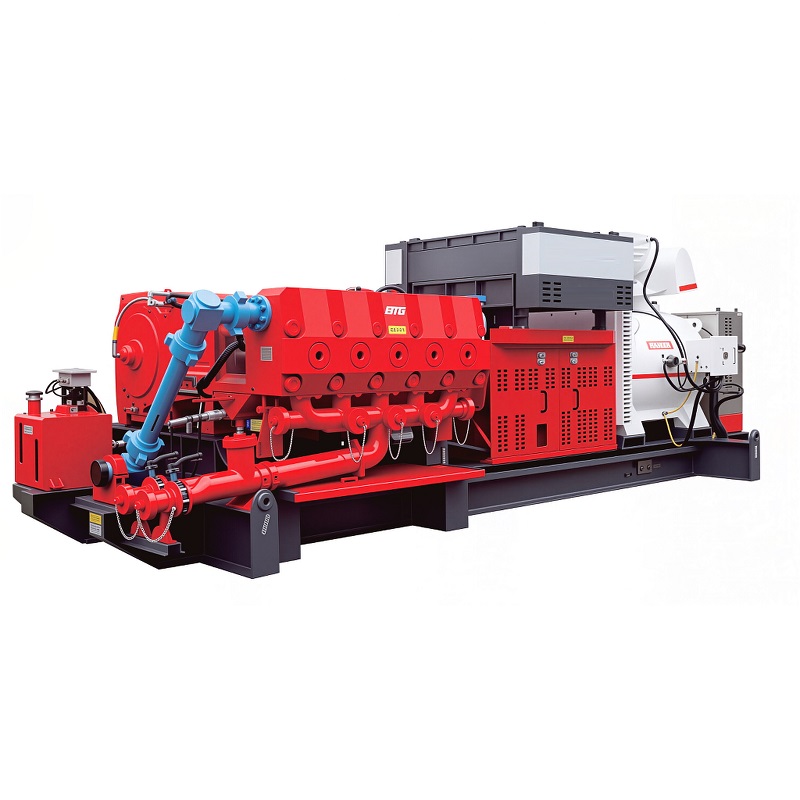
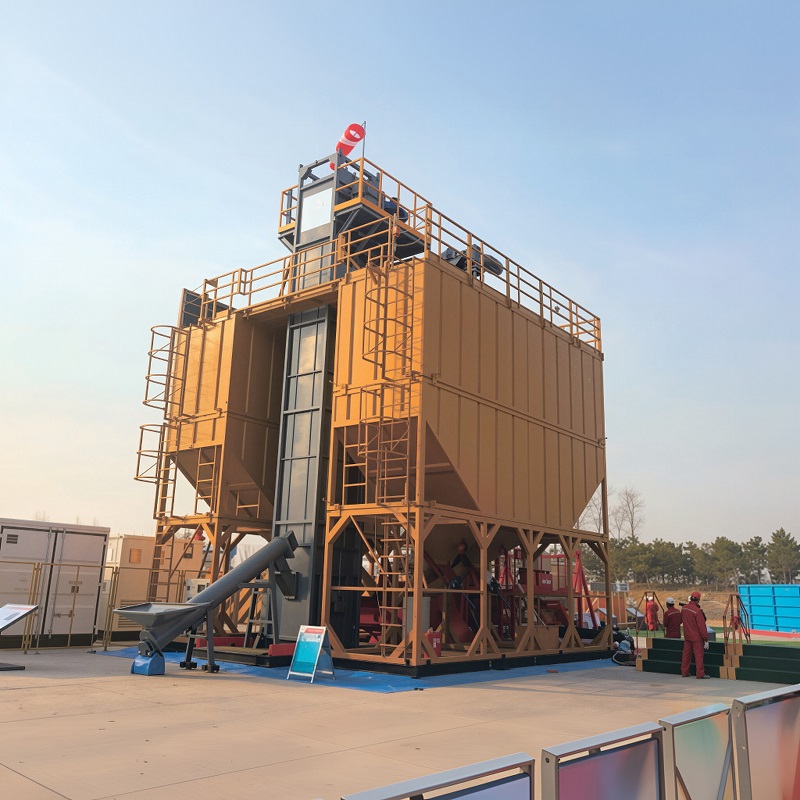
By Power Rating
- 2,000 HHP: Entry-level, for vertical well stimulation
- 2,500 HHP: Standard, most common in modern spreads
- 3,000 HHP: Mid-range, for large shale gas jobs
- 4,000-5,000 HHP: High-end, for ultra-large spreads
A fracturing unit is the core pumping equipment in a hydraulic fracturing operation. It delivers high-pressure, high-rate fluid to create and propagate fractures in reservoir rock. This guide covers the types, specifications, applications and selection of fracturing units.
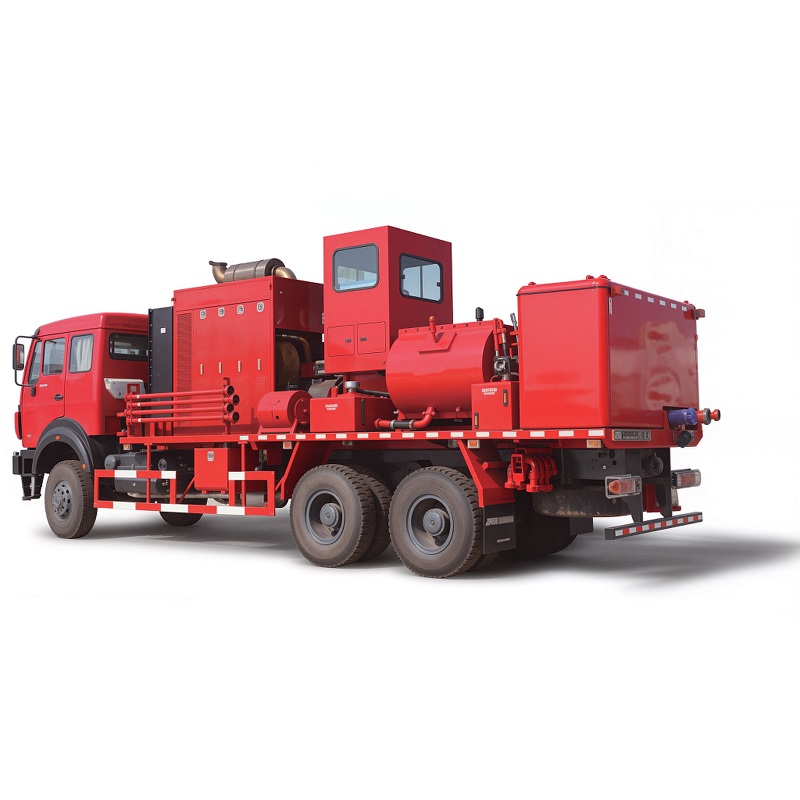
Fracturing units are classified by power rating, pressure capability and mounting configuration. Here are the main categories:
Compare our fracturing unit lineup across key performance parameters:
| Model | HHP | Max Pressure | Max Flow | Fluid End | Best For |
|---|---|---|---|---|---|
| SJF2000 | 2,000 | 105 MPa | 1.6 m³/min | Triplex/Quintuplex | Matrix stimulation, vertical wells |
| SJF2500 | 2,500 | 105 MPa | 2.0 m³/min | Quintuplex | Tight oil, medium-rate jobs |
| SJF3000 | 3,000 | 120 MPa | 2.4 m³/min | Quintuplex | Shale gas horizontal wells |
| SJF4000 | 4,000 | 140 MPa | 2.8 m³/min | Quintuplex | High-rate shale gas fracturing |
| SJF5000 | 5,000 | 140 MPa | 3.2 m³/min | Quintuplex (dual) | Ultra-large multi-well pad fracturing |
Selecting the right fracturing unit depends on your well type, reservoir characteristics and treatment design. Here is a decision guide:
Calculate the bottomhole pressure required to fracture the formation. This depends on well depth, reservoir pressure gradient and fracture gradient. Add safety margin (10-15%) and friction losses in the wellbore.
The total flow rate depends on the number of fractures you want to create and the desired propagation rate. Horizontal shale wells typically need 15-25 m³/min total.
Browse our standard fracturing units. All models are available in truck, trailer or skid configuration with diesel or electric drive.
The terms are often used interchangeably. A "frac pump" typically refers to the pump itself (fluid end + power end). A "frac unit" refers to the complete system: engine, transmission, gearbox, pump, controls and discharge manifold, all mounted on a chassis or skid.
A typical shale gas fracturing stage requires 15-25 m³/min total flow rate. If each frac unit delivers 2.0 m³/min, you need 8-12 units running in parallel. Most modern spreads use 10-15 units total, with 1-2 spare for redundancy.
With proper maintenance, a fracturing unit typically operates for 15-20 years. The fluid end is the highest-wear component and requires periodic overhaul. The power end (engine, transmission, gearbox) can last much longer with routine maintenance.
Technically yes, but it is a major modification. The diesel engine, transmission and fuel system are replaced with an electric motor and VFD drive. The pump fluid end and gearbox can often be reused. Contact us with your pump model for conversion feasibility.
Standard configuration frac units take approximately 8-10 months from order confirmation. Custom configurations (electric drive, special materials, climate packages) may require 10-12 months. Refurbished or near-stock units can be delivered in 60-90 days.
Tell us about your well types, target stage rates and operating region. Our engineering team will help you select the optimal fracturing unit configuration and provide a detailed quotation.