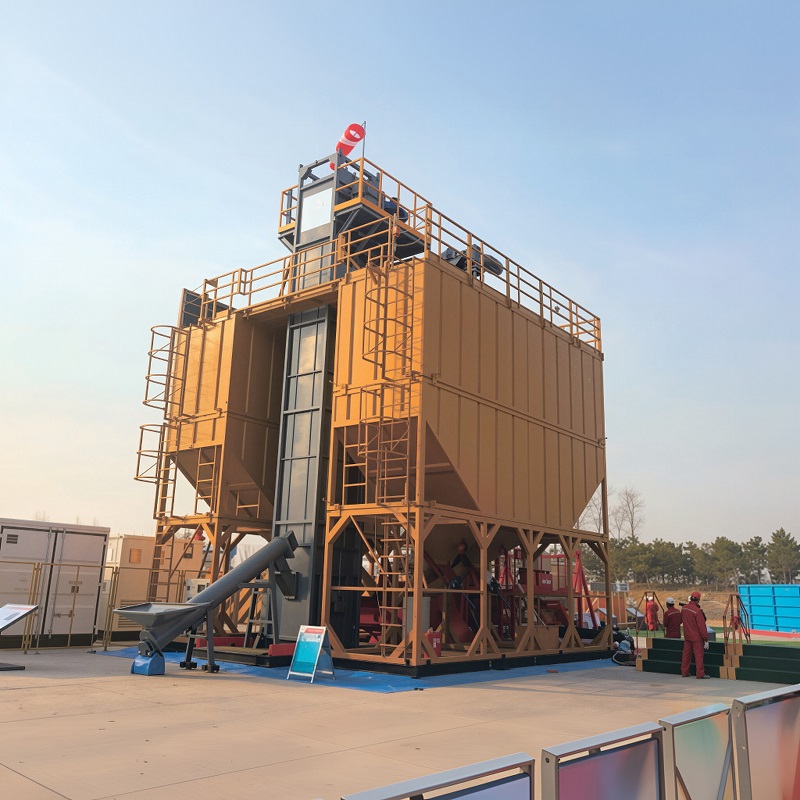
Shale Gas Fracturing
Horizontal shale gas wells require 15-30 fracturing stages per well. Each stage uses 10-20 frac pumps running in parallel. Total spread HHP of 25,000-50,000 is typical.
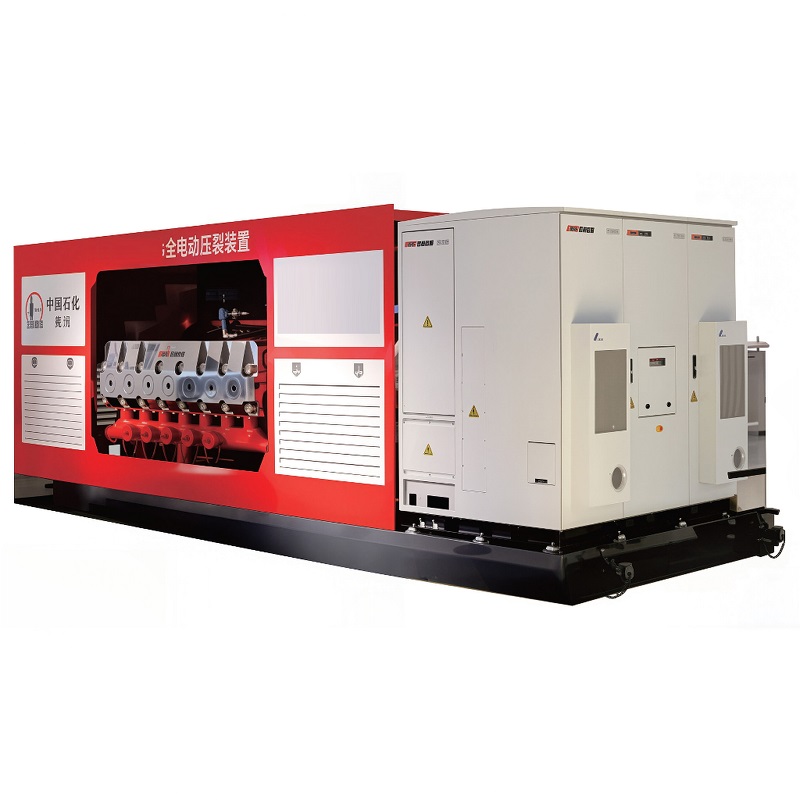
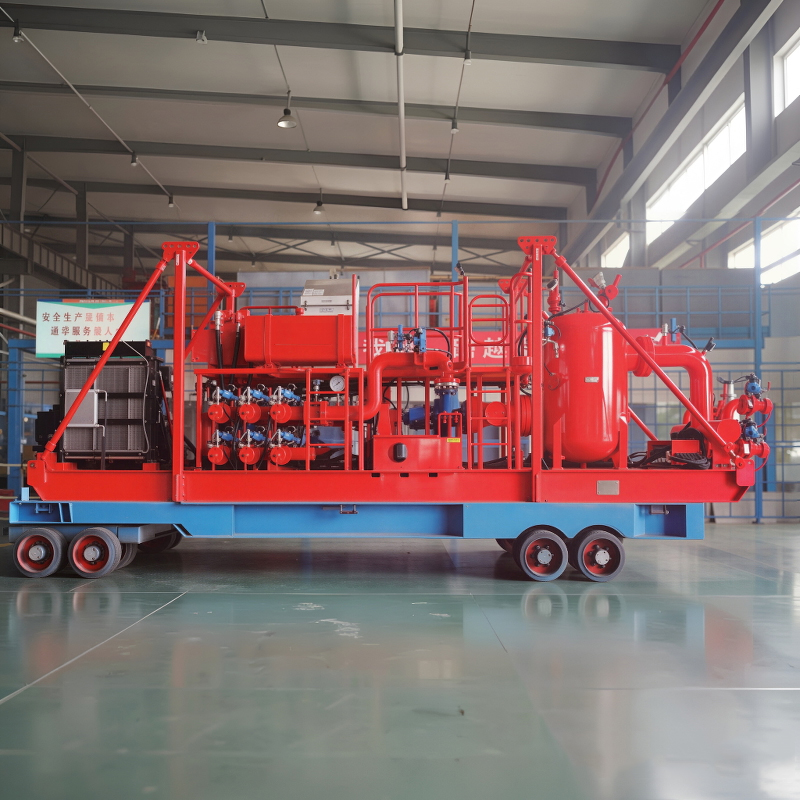
A hydraulic fracturing unit is a high-pressure pumping system designed to deliver large volumes of fluid and proppant into the reservoir. It creates and propagates fractures that increase hydrocarbon flow from tight rock formations.
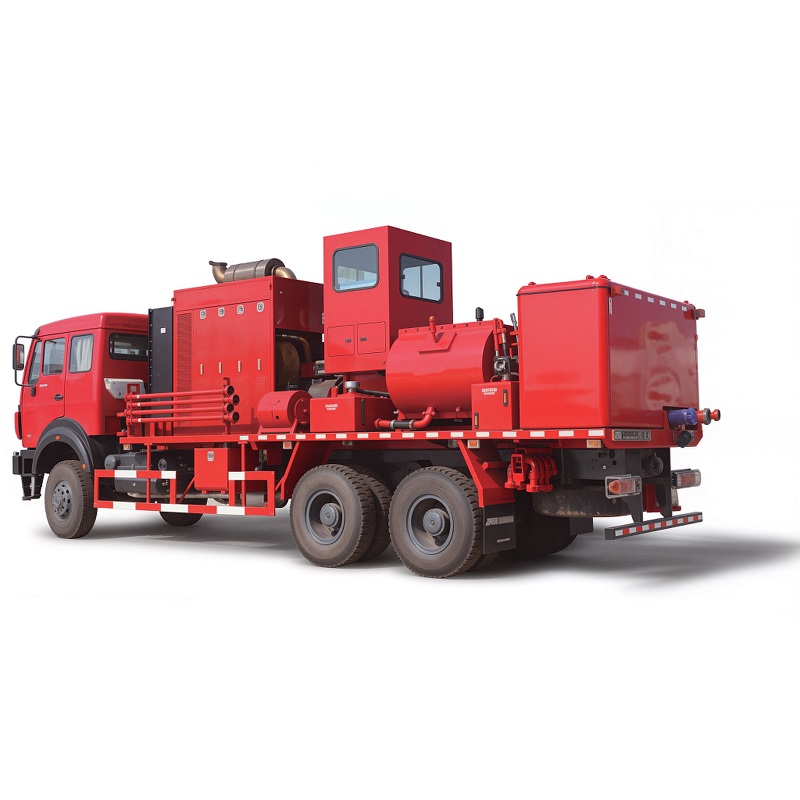
A hydraulic fracturing unit (also called a frac unit or frac pump truck) is the core pumping equipment in a hydraulic fracturing spread. It consists of a diesel engine, transmission, gearbox and reciprocating plunger pump mounted on a heavy-duty truck chassis.
Our hydraulic fracturing units cover the full spectrum from medium-rate matrix stimulation to high-volume shale gas fracturing.
| Model | Power Rating | Max Pressure | Max Flow Rate | Typical Application |
|---|---|---|---|---|
| SJF2000 | 2,000 HHP | 105 MPa (15,200 psi) | 1.6 m³/min | Matrix stimulation, vertical wells |
| SJF2500 | 2,500 HHP | 105 MPa (15,200 psi) | 2.0 m³/min | Tight oil, medium-rate jobs |
| SJF3000 | 3,000 HHP | 120 MPa (17,400 psi) | 2.4 m³/min | Shale gas horizontal wells |
| SJF4000 | 4,000 HHP | 140 MPa (20,300 psi) | 2.8 m³/min | High-rate shale gas fracturing |
| SJF5000 | 5,000 HHP | 140 MPa (20,300 psi) | 3.2 m³/min | Ultra-large multi-well pad fracturing |
Horizontal shale gas wells require 15-30 fracturing stages per well. Each stage uses 10-20 frac pumps running in parallel. Total spread HHP of 25,000-50,000 is typical.
Tight oil reservoirs use medium-rate fracturing with higher sand concentration. The frac unit must handle proppant-laden fluid with minimal wear on fluid end components.
Matrix acidizing uses frac pumps to deliver acid at high rate and pressure. The fluid end must be acid-resistant (Hastelloy or coated) to withstand corrosive fluids.
CBM fracturing typically uses lower treating pressure but larger fluid volumes. Multiple smaller pumps working in parallel are common for this application.
Browse our standard hydraulic fracturing units. All models are available as truck-mounted, trailer-mounted or skid-mounted configurations.
All pressure-containing components meet API 6A specifications. Hydrostatic testing at 1.5x working pressure is performed on every unit before shipment.
For proppant service, we offer tungsten carbide coated plungers and valve seats. This extends component life by 2-3x compared to standard chrome plating.
Suction and discharge valves can be replaced without removing the fluid end from the pump. Reduces maintenance time on location from hours to minutes.
Each frac unit includes a PLC-based control system with touchscreen HMI. Monitors pump speed, discharge pressure, flow rate and engine parameters in real-time.
All job data is logged: time, pressure, rate, density. Export as CSV for post-job analysis and regulatory reporting.
Our engineers provide commissioning, operator training and troubleshooting. Critical wear parts are stocked in regional warehouses for fast delivery.
A typical shale gas fracturing stage requires 15-25 m³/min total flow rate. If each frac unit delivers 2.0 m³/min, you need 8-12 units running in parallel. Most modern spreads use 10-15 units total, with 1-2 spare for redundancy.
BHP (brake horsepower) is the rated output of the diesel engine. HHP (hydraulic horsepower) is the actual fluid power delivered to the wellhead. Due to mechanical losses in the transmission and pump, HHP is typically 85-90% of BHP. When people say "2500 HHP frac units," they mean 2,500 hydraulic horsepower at the wellhead.
Standard fluid ends in sand-laden service typically last 200-400 hours before major overhaul. With tungsten carbide coated parts, this can extend to 800-1200 hours. Valve seats and plungers are routine wear items that may need replacement every 100-200 hours.
Technically yes, but it is a major modification. The diesel engine, transmission and fuel system are replaced with an electric motor and VFD drive. The pump fluid end and gearbox can often be reused. Contact us with your pump model and we can evaluate conversion feasibility.
Standard configuration frac units take approximately 8-10 months from order confirmation. Custom configurations (electric drive, special materials, climate packages) may require 10-12 months. Refurbished or near-stock units can be delivered in 60-90 days.
Tell us your target flow rate, treating pressure and well type. Our engineering team will recommend the optimal frac unit configuration and provide a detailed quotation within 48 hours.