Selection logic and buyer context
Condition tags work best when they tie the environment to a practical configuration choice.
For fracturing spread planning, the practical filter is whether the configuration, mounting style and protection level fit the site condition.
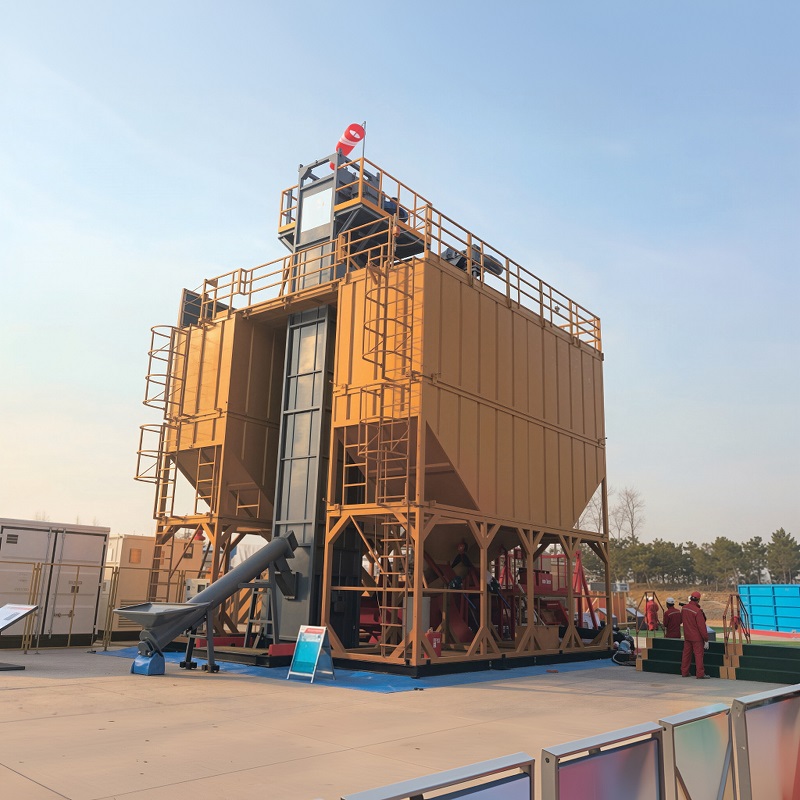
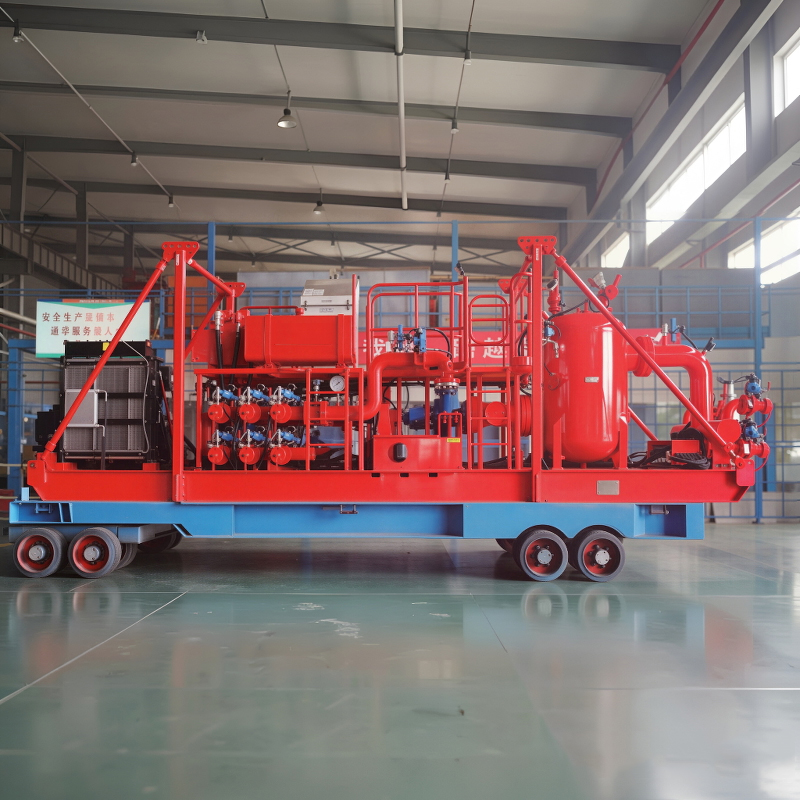
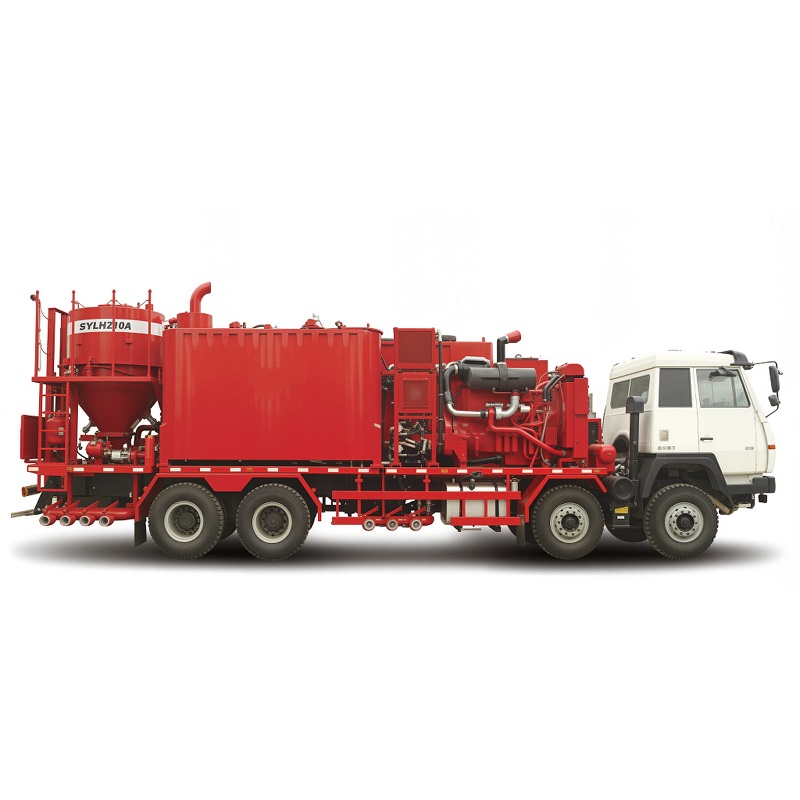
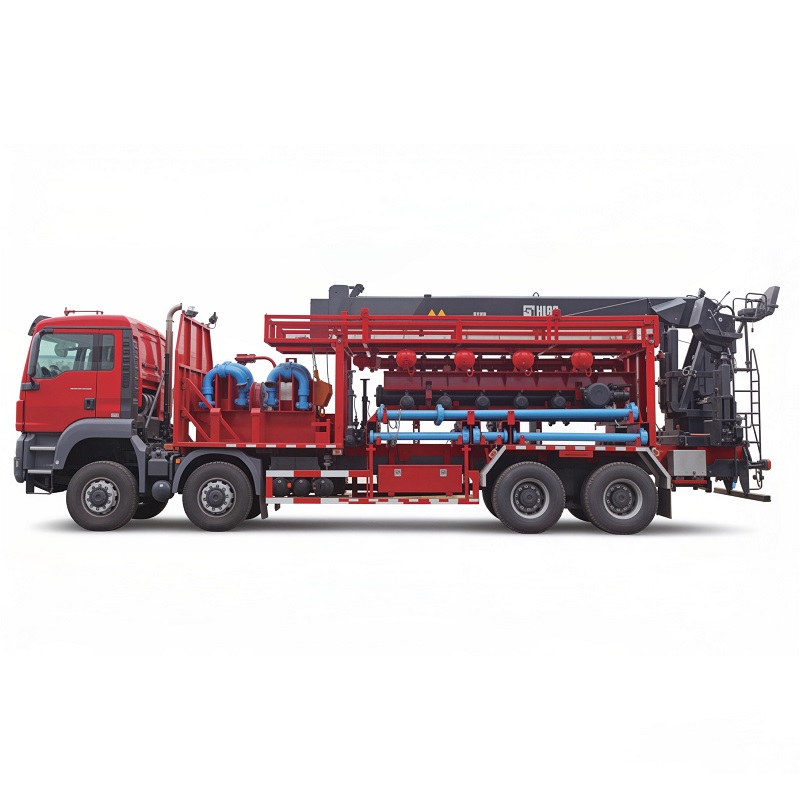
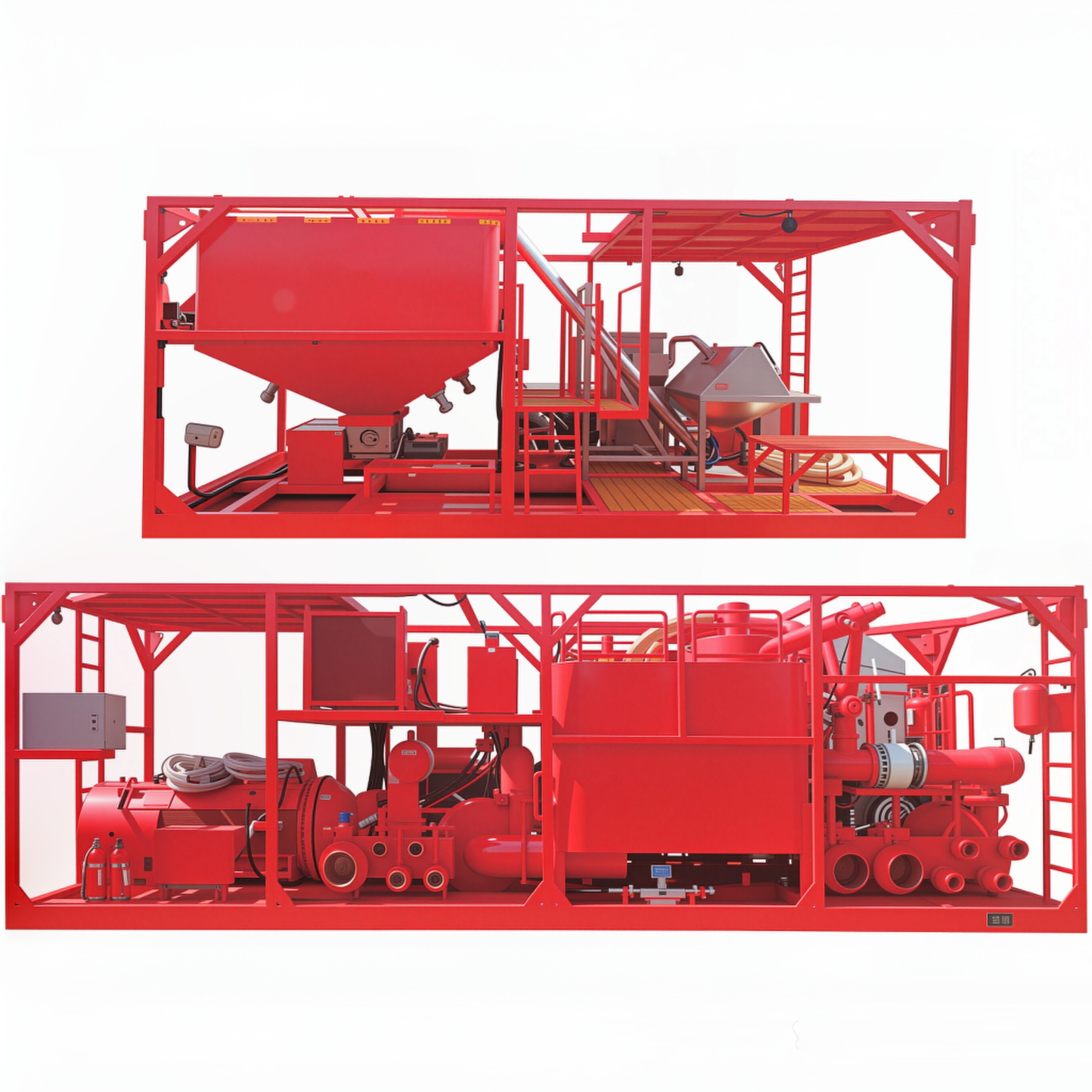
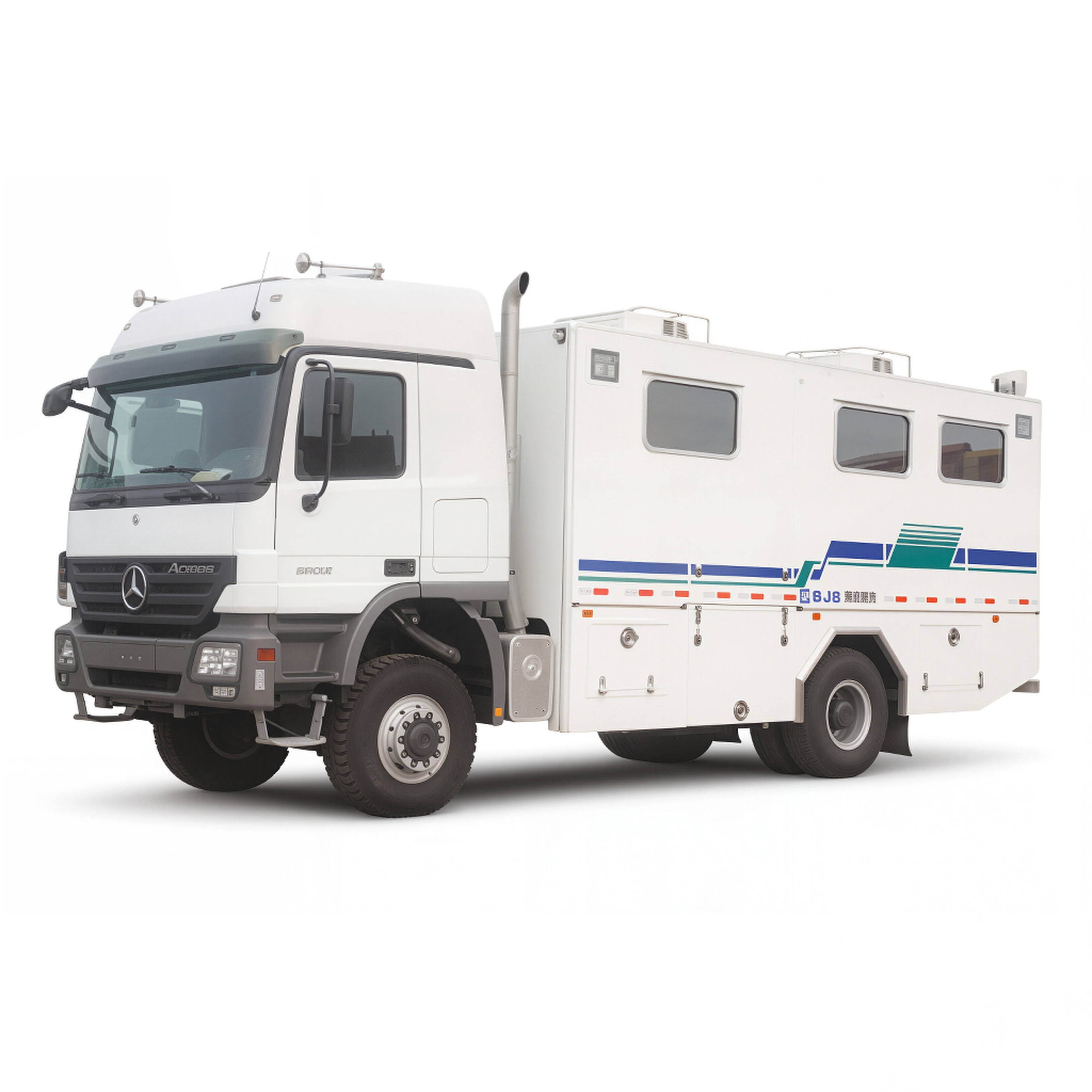
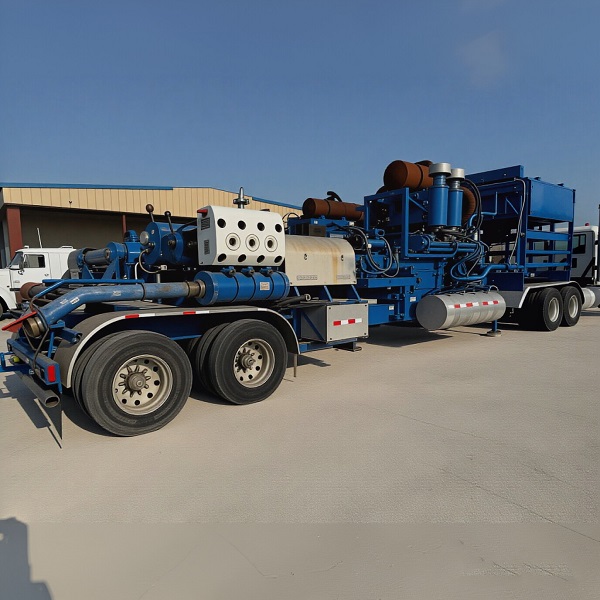
The page uses a matched reference image from the source folder so the text and visuals stay aligned.
What this keyword is really telling the buyer
Condition route
The search is environment-led. Buyers are matching the equipment to a site constraint or duty cycle.
Check pumping duty, power source and pressure target.
Confirm how sand blending and mixing are arranged in the spread.
Review whether the system is truck, trailer or skid mounted.
Match the line to shale, tight reservoir or large-platform service.
Open the family page for the site condition
Send the climate, transport and maintenance limits with the inquiry.
What the page should keep aligned
Shale Oil
For Shale Oil, the important questions are horsepower, proppant flow and whether mixing stays stable over a long operating window.
Shale Gas
For Shale Gas, the important questions are horsepower, proppant flow and whether mixing stays stable over a long operating window.
Sand Handling
For Sand Handling, the important questions are horsepower, proppant flow and whether mixing stays stable over a long operating window.
Continuous Mixing
For Continuous Mixing, the important questions are horsepower, proppant flow and whether mixing stays stable over a long operating window.
Need a quotation?
That makes the page a practical pre-selection tool for engineers who want fewer surprises on site.
Give the team the job condition, the target market and the configuration scope, then let them shape the first reply.