
Crude Oil Transfer
Move crude oil from wellsite storage tanks to tanker trucks or pipeline gathering systems. Typical flow rates: 500-2,000 liters/minute. Viscosity matters —heavy crude needs a different pump than light sweet crude.
Not every pumping job needs 10,000 psi. Most oilfield liquid handling is about moving a lot of fluid from A to B —transfer crude oil from a storage tank to a truck, move produced water from one pit to another, load frac water into tanks, or circulate fluid between tanks on location. For these jobs, you don't need a high-pressure plunger pump. You need a high-flow, efficient transfer pump that can move thousands of liters per minute at low pressure. Getting the wrong pump for transfer duty (using a high-pressure pump at low pressure) wastes energy, wears out the pump fast, and costs more than it should.
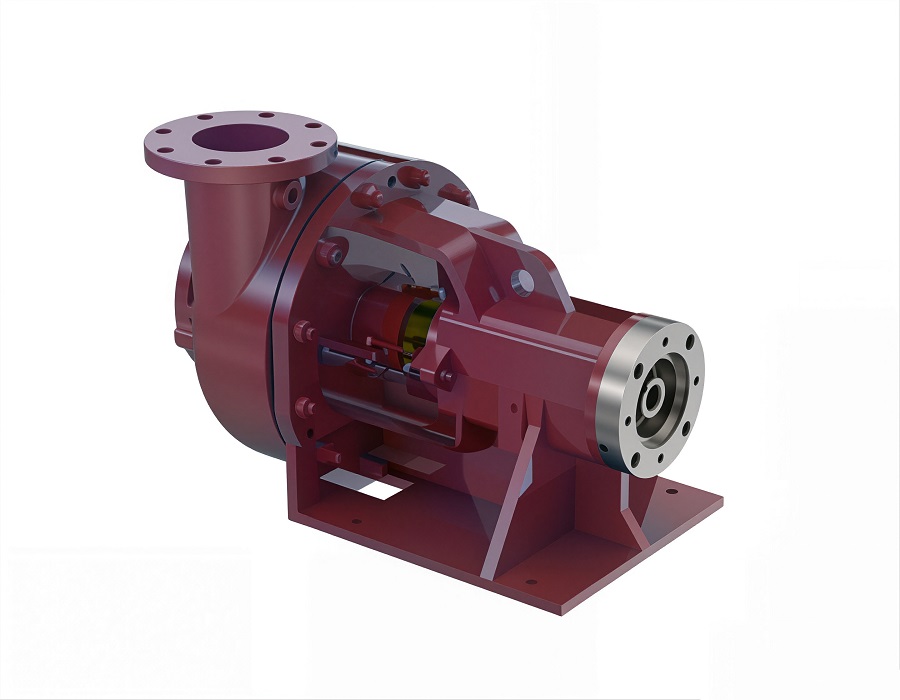
Transfer pumps are used for a wide range of oilfield liquid handling jobs:
Move crude oil from wellsite storage tanks to tanker trucks or pipeline gathering systems. Typical flow rates: 500-2,000 liters/minute. Viscosity matters —heavy crude needs a different pump than light sweet crude.
Move produced water (water brought up with oil/gas) from separation tanks to disposal wells, evaporation pits, or treatment facilities. Corrosive and often sandy —the pump needs to handle abrasives.
Move large volumes of water (2,000-5,000 m³ per well) from storage ponds or tanks to the frac fluid mixing system. Very high flow rate, low pressure. The pump just needs to move water fast, not pressurize it.
Load crude oil trucks, water trucks, or fuel trucks at the facility. Or unload delivered chemicals or fuel from trucks into storage tanks. Fast, reliable transfer is key for truck turnaround time.
Different fluids need different pump types:
| Pump Type | Best For | Typical Flow |
|---|---|---|
| Centrifugal Pump | Clean water, light oil, low viscosity fluids | 500 - 3,000 L/min |
| Positive Displacement (Gear / Screw) | Heavy oil, viscous fluids, fluids with solids | 200 - 1,500 L/min |
| Diaphragm Pump (Air Driven) | Corrosive chemicals, slurries, small volumes | 50 - 500 L/min |
| Submersible Pump | Emptying pits, sumps, tanks from below | 200 - 2,000 L/min |
| Parameter | Typical Range |
|---|---|
| Flow rate | 200 - 3,000 liters/minute |
| Discharge pressure | 50 - 300 psi (3 - 20 MPa) |
| Driver | Diesel engine or electric motor |
| Mounting | Skid mounted or trailer mounted (mobile) |
| Seal type | Mechanical seal (for oil/water), packing (for slurries) |
| Construction | Cast iron, ductile iron, or stainless steel (corrosive service) |
Technically yes, but it's a bad idea. A high-pressure plunger pump is designed for high pressure, low flow. Using it for transfer duty (high flow, low pressure) is like using a race car to haul cargo: it works, but it's inefficient and the wrong tool. The plunger pump will run at low stroke rate to achieve transfer flow, which is bad for the pump's lifespan. It also uses more fuel/energy than a properly sized transfer pump. For transfer jobs, use a pump designed for high flow, low pressure. It costs less, uses less energy, and lasts longer.
If the pump is above the fluid level (pulling fluid up from a tank or pit below), you need a self-priming pump. Self-priming pumps can lift fluid from 3-6 meters below the pump. If the fluid is above the pump (flooded suction, like a tank bottom outlet), you can use a standard centrifugal pump. Most oilfield transfer applications are self-priming —the pump is on a skid at ground level, pulling from a tank or pit below. Tell us your suction head conditions, and we'll recommend the right pump type.
Yes. Trailer-mounted transfer pumps are very common on oilfields —you can tow them between well sites, tanks, and loading points. The trailer has the pump, engine, suction hose reel, discharge hose reel, and control panel. It's a self-contained transfer unit. We supply both skid-mounted (fixed installation) and trailer-mounted (mobile) transfer pumps. Tell us whether you need fixed or mobile, and we'll configure accordingly.
Tell us what fluid you're transferring (water, crude oil, produced water, etc.), desired flow rate, and whether you need skid or trailer mounted. We'll match you with the right transfer pump for the job.