Well Servicing | Routine Maintenance

Workover Rigs for Production Maintenance Operations

Producing wells require ongoing maintenance to maintain production rates and prevent downtime. A workover rig is the primary equipment used for routine well servicing: pulling sucker rods, changing downhole pumps, cleaning tubing and performing other maintenance operations to keep wells producing efficiently.

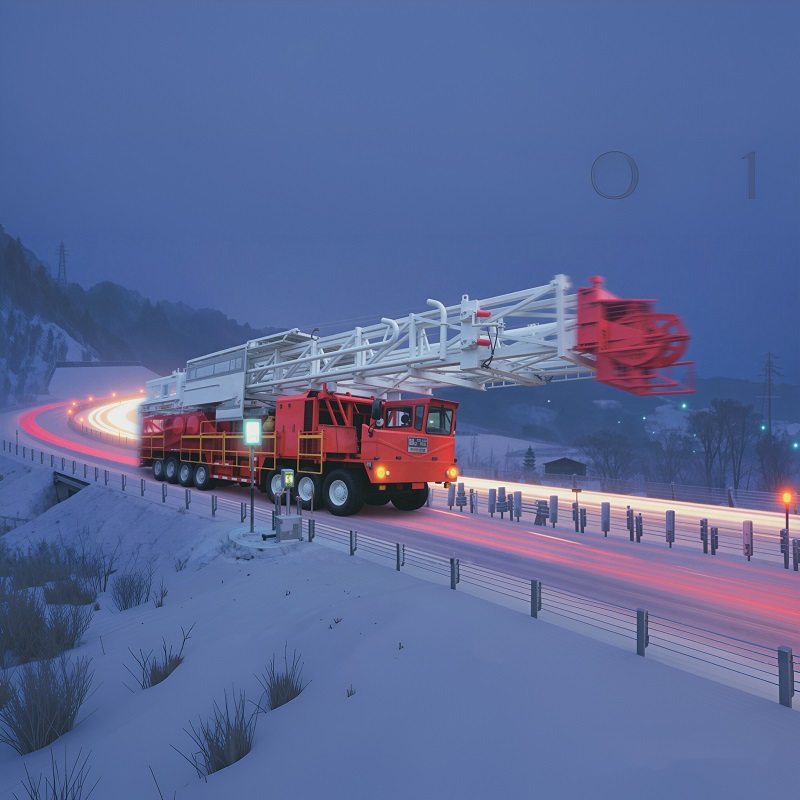
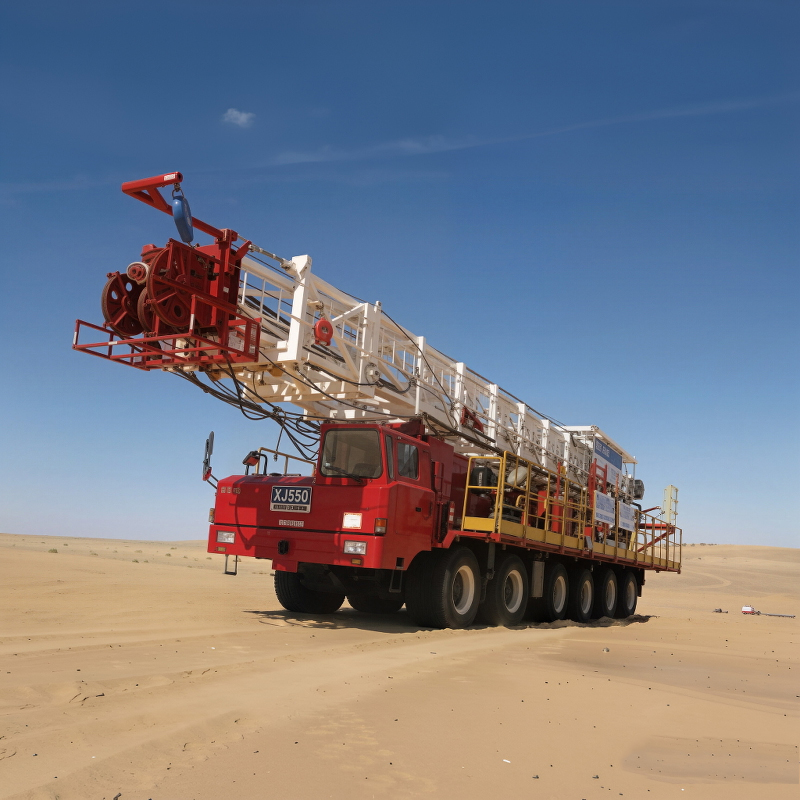
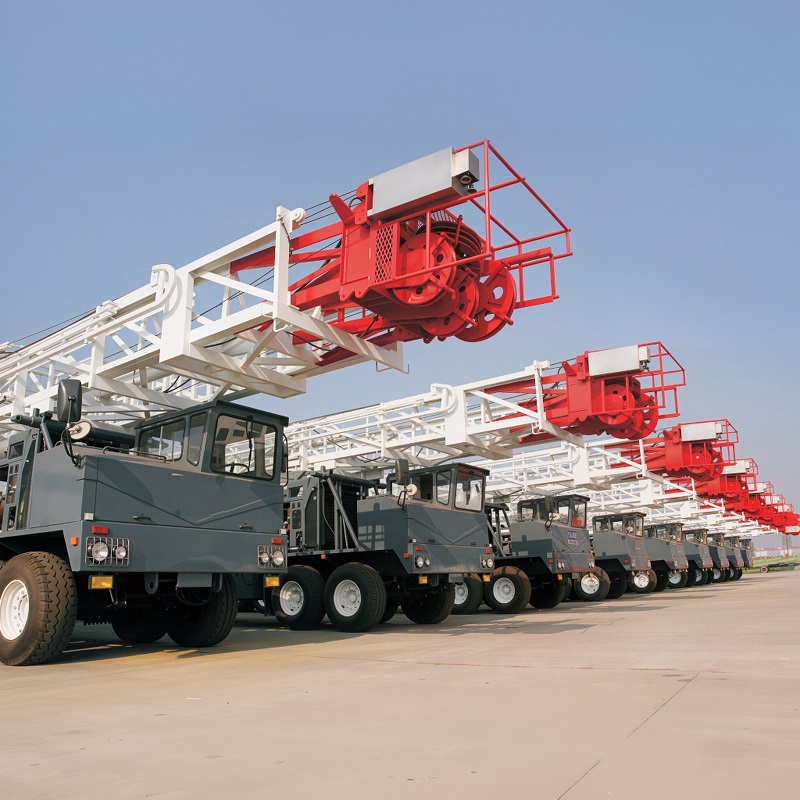
Workover rig for production maintenance operations

Why Production Maintenance Matters

Production decline is inevitable in every oil and gas well. Regular maintenance can slow the decline and maximize the well's productive life:

Common Production Issues

  • Downhole pump wear: Pump barrels, plungers and valves wear out over time
  • Tubing scaling: Mineral deposits (calcium carbonate, barium sulfate) build up in tubing
  • Paraffin deposition: Waxy hydrocarbons deposit on tubing walls, restricting flow
  • Sand production: Unconsolidated formations produce sand that wears equipment
  • Water cut increase: Water production rises over time, reducing oil production
  • Equipment failure: Artificial lift equipment fails and needs replacement

Maintenance Objectives

  • Restore production rate: Get the well back to its previous production level
  • Reduce operating costs: Prevent costly failures and unplanned downtime
  • Extend well life: Maximize the productive life of the well
  • Improve efficiency: Optimize artificial lift and well performance
  • Ensure safety: Maintain well integrity and prevent environmental issues

Common Production Maintenance Operations

A workover rig performs these routine maintenance operations on producing wells:

Sucker Rod Pulling

For beam pump (sucker rod) wells, the workover rig pulls the sucker rods out of the well. The downhole pump is inspected, repaired or replaced. The rods are then run back in. This is the most common maintenance operation on producing oil wells.

Downhole Pump Change

When the downhole pump wears out or fails, the workover rig pulls the tubing and rods, replaces the pump, and runs everything back in. Pump changes are typically needed every 6-18 months depending on fluid conditions.

Tubing Cleaning

Over time, tubing develops scale, paraffin and other deposits that restrict flow. The workover rig pulls the tubing, cleans it (mechanically or chemically), and runs it back in. Tubing cleaning restores flow area and production rate.

Gas Lift Valve Change

For gas lift wells, the gas lift valves may need replacement or adjustment. The workover rig pulls the tubing, replaces the gas lift valves, and runs the tubing back in. Proper gas lift valve operation is critical for well efficiency.

ESP Pull & Replace

Electric submersible pumps (ESPs) have a typical life of 2-5 years. When an ESP fails, the workover rig pulls the tubing with the ESP, replaces the pump, and runs it back in. ESP changes are more complex than beam pump changes due to the electrical cable.

Well Stimulation Support

When a well needs stimulation (acidizing, fracturing), the workover rig may be used to prepare the well: pulling tubing, installing stimulation tools, then running the completion back in after the treatment.

Selecting a Workover Rig for Production Maintenance

Production maintenance rigs have different requirements compared to completion or heavy workover rigs:

Light-Duty (50-100 ton)

Best for: Sucker rod pulling, light tubing work, shallow well maintenance

Typical wells: Beam pump wells, shallow oil wells, low-volume wells

Rig-up time: 1-3 hours

Crew size: 3-4 people

Medium-Duty (100-225 ton)

Best for: Tubing pulling, pump changes, standard maintenance work

Typical wells: Medium-depth wells, ESP wells, gas lift wells

Rig-up time: 2-4 hours

Crew size: 4-6 people

Heavy-Duty (225-450 ton)

Best for: Deep well maintenance, casing pulling, heavy intervention

Typical wells: Deep wells, high-rate wells, complex completions

Rig-up time: 4-8 hours

Crew size: 6-8 people

Mobility Considerations

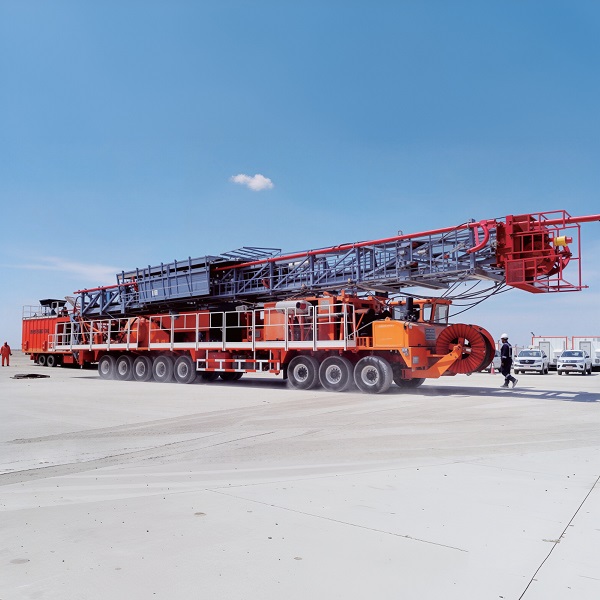
For production maintenance, the rig moves between many wells in a field. Truck-mounted rigs are preferred for their mobility. The rig must be able to move quickly between well sites to maximize the number of wells serviced per day.

Engineering Advantages of Our Service Rigs

Rapid Rig-Up Design

Our service rigs are designed for rapid rig-up and rig-down. The mast raises hydraulically without a crane. This maximizes the number of wells serviced per day —critical for production maintenance operations.

Truck-Mounted Mobility

All our service rigs are truck-mounted for maximum mobility. They drive between well sites on their own. No need for separate transport vehicles. The rig moves from well to well quickly and efficiently.

VFD Electric Winch

Our service rigs feature VFD electric winches for precise hoisting control. Smooth operation for running and pulling tubing. Regenerative braking lowers loads gently without brake wear. Lower operating costs.

Simple, Reliable Design

Production maintenance rigs need to be simple and reliable. Our rigs are designed with proven components that are easy to maintain. Minimal downtime, maximum uptime. Critical for service companies operating multiple rigs.

Low Operating Cost

Our service rigs are fuel-efficient and require minimal maintenance. Lower operating costs mean higher profit margins for service companies. The payback period on a new service rig is typically 2-3 years.

Global Service Support

We provide commissioning, operator training and after-sales support worldwide. Spare parts are stocked regionally for fast delivery. Our service partners are available in major oil-producing regions.

Frequently Asked Questions About Production Maintenance Rigs

How often does a typical producing well need maintenance?

It depends on the well type and fluid conditions. Beam pump wells typically need pump changes every 6-12 months. ESP wells typically need pump changes every 2-5 years. Tubing cleaning may be needed every 1-3 years. High-rate wells with scale or paraffin issues need more frequent maintenance.

How many wells can a service rig maintain per year?

A typical service rig can perform 100-200 maintenance jobs per year. This depends on the job complexity, distance between wells, and rig mobility. A light service rig doing sucker rod pulls may do 150-250 jobs per year. A heavier rig doing more complex work may do 50-100 jobs per year.

What is the difference between a service rig and a workover rig?

The terms are often used interchangeably. "Service rig" typically refers to a rig used for routine production maintenance. "Workover rig" typically refers to a larger rig used for more complex well intervention. In practice, a mid-sized rig can do both routine maintenance and workover work. The distinction is more about the scope of work than the rig itself.

Can I use a drilling rig for production maintenance?

Technically yes, but it is very expensive and inefficient. Drilling rigs are much larger, more powerful and cost far more to operate. Using a drilling rig for routine well maintenance is like using a semi-truck to deliver a small package —overkill. A service rig is the right tool for the job, at a fraction of the cost.

Do you offer fleet pricing for multiple service rigs?

Yes. For service companies purchasing multiple rigs, we offer volume discounts. Fleet pricing depends on the number of rigs, configuration and delivery schedule. Contact us with your fleet requirements and we will provide a competitive fleet quotation.

Need a Workover Rig for Production Maintenance?

Tell us how many wells you service, well depths and typical job types. Our engineering team will recommend the optimal service rig configuration and provide a detailed quotation within 48 hours.