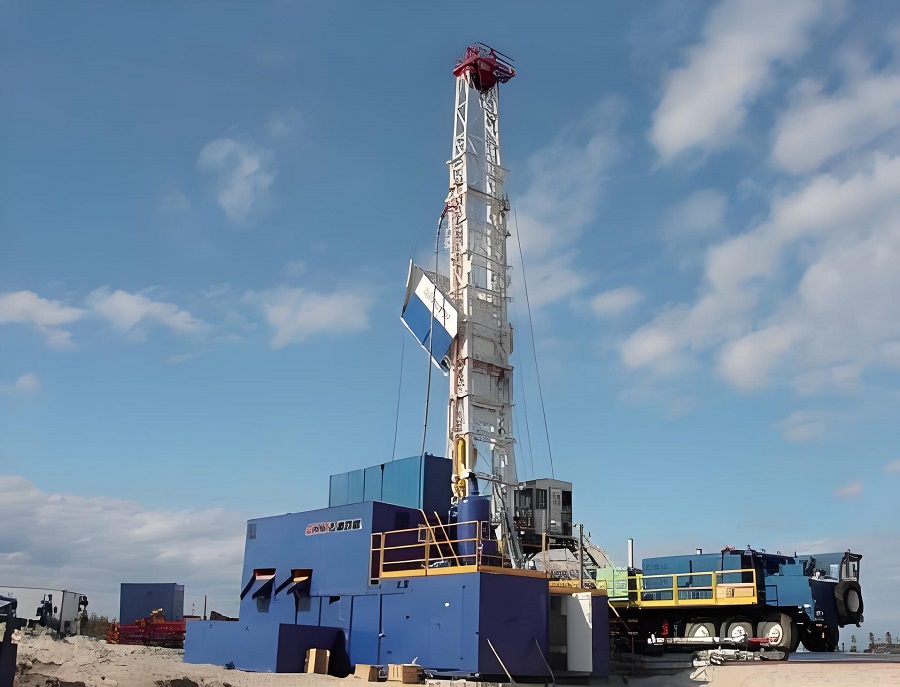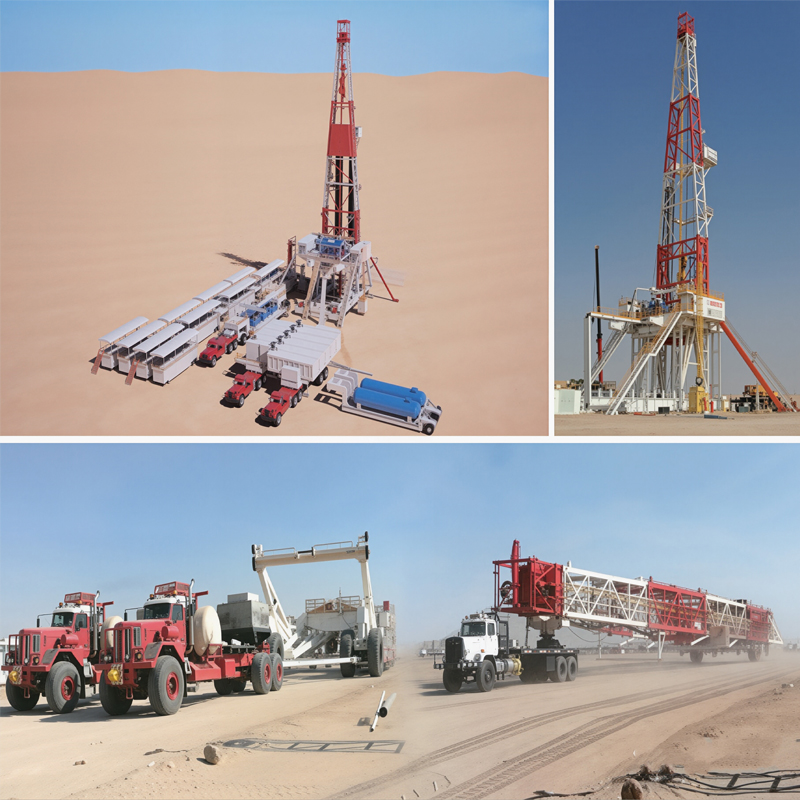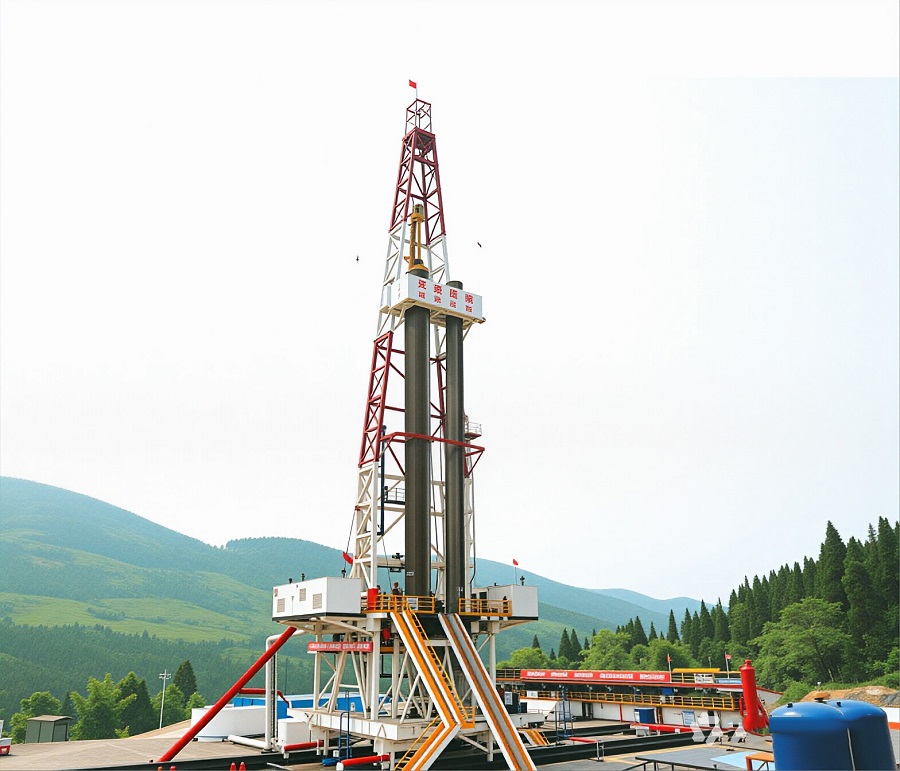
Cluster Well Rig Transport Device
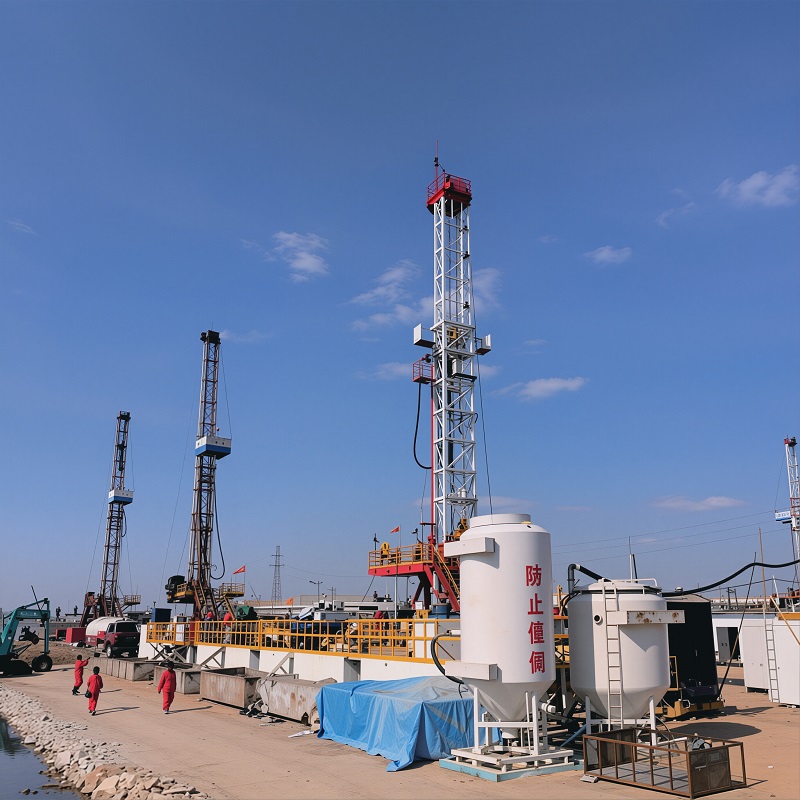
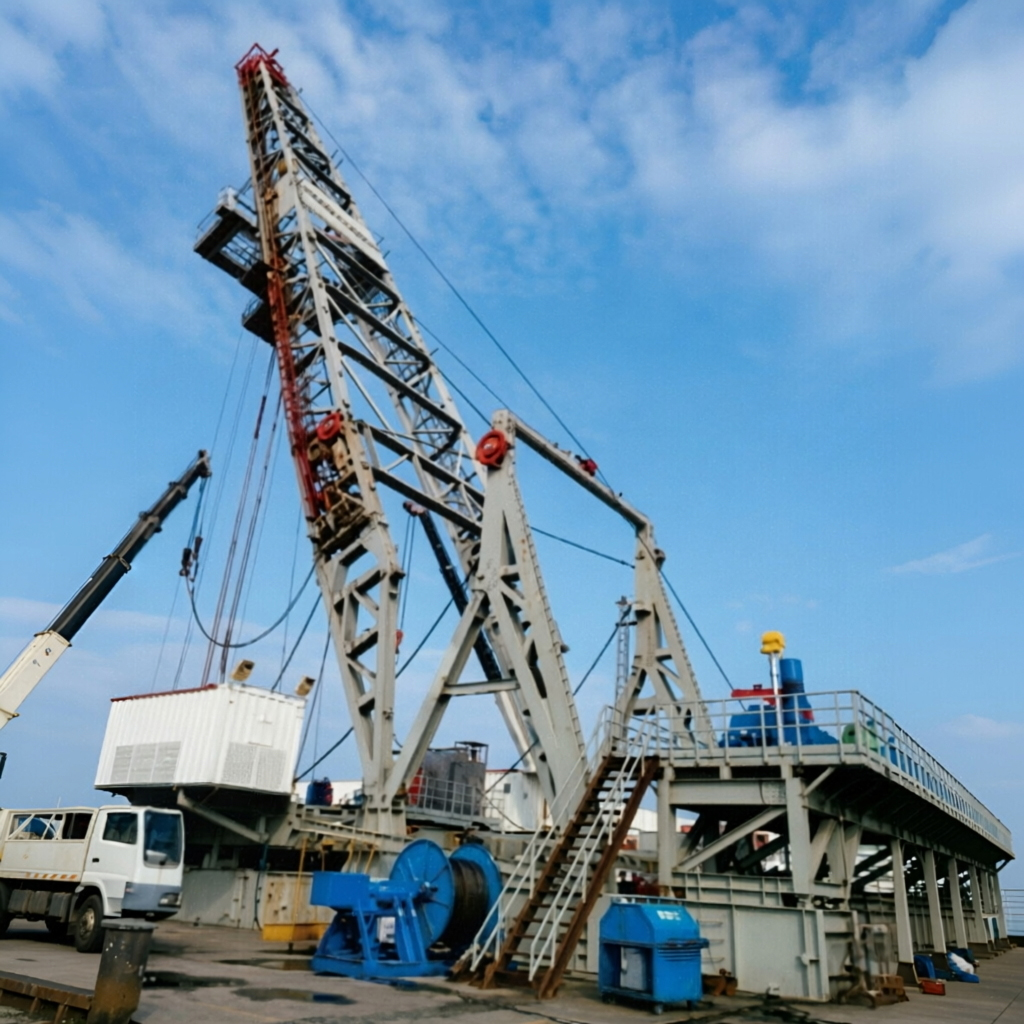
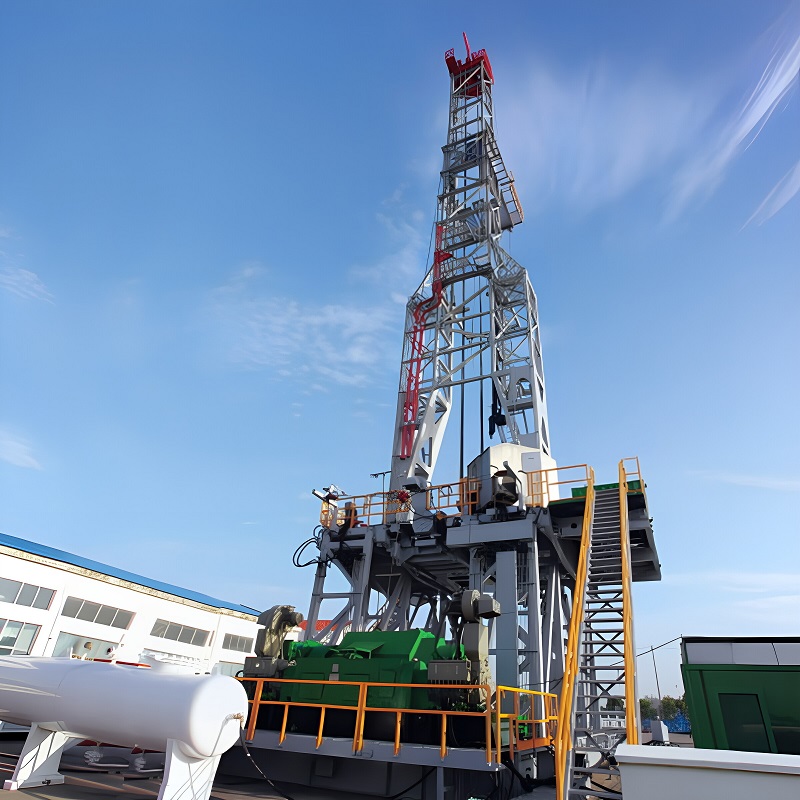
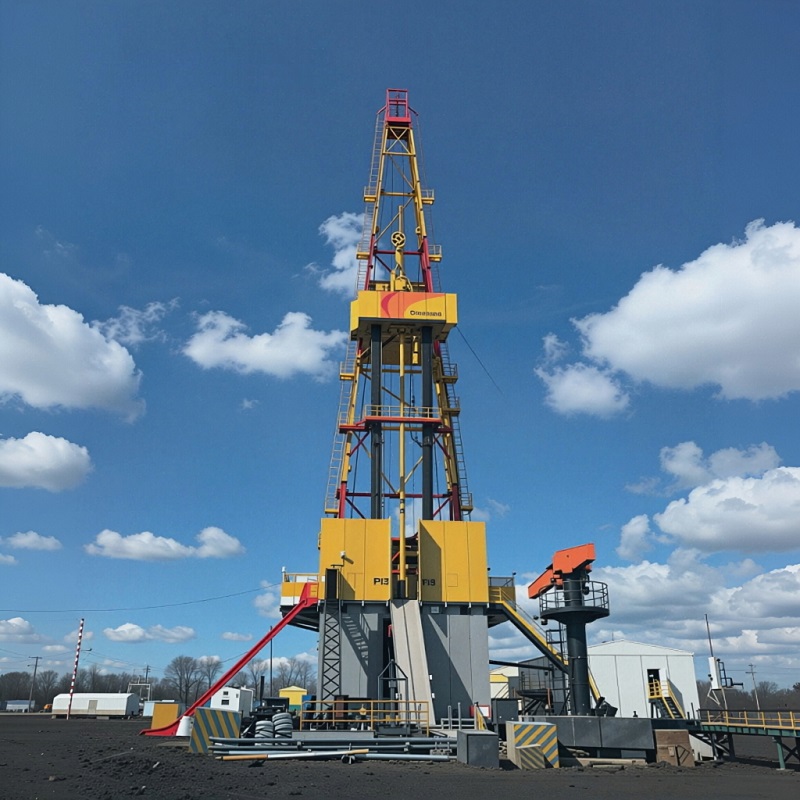
This is not a drilling rig. It is a hydraulic skid-movement device that carries a complete drilling rig between wells on a multi-well pad without disassembling the mast, drawworks or substructure. Once a cluster pad is laid out with wellheads spaced 8–15 m apart, the rig sits on this transport system and "walks" from one well to the next in hours instead of days.
The device replaces the conventional approach of disassembling a rig, trucking it 500 m to the next well, and rigging up again —a process that typically takes 3–5 days. With the skid-movement system, the same move takes 4–6 hours. On a pad of 16–24 wells, the time saved is measured in weeks, and the cost of crane and trucking is eliminated.
How the skid movement works
Raise, slide, lower cycle
Four groups of hydraulic jacks lift the entire rig (including mast) off the ground by 200–300 mm. Horizontal hydraulic cylinders then slide the rig forward by a fixed increment (typically 1.5–2 m per stroke). The jacks lower the rig, the cylinders retract, and the cycle repeats. No crane, no disassembly.
Up to 1500 t total rig weight
The system is rated for rigs up to 1500 t total weight (including mud system and pipe rack). This covers ZJ30 to ZJ70 class rigs, which are the most common cluster-pad units.
4–6 hours per well move
For an 8–15 m well spacing, a typical move takes 4–6 hours depending on rig weight and ground condition. Compare this with 3–5 days for conventional rig-up/rig-down on each move.
Pre-laid steel tracks
The rig slides on pre-laid steel tracks bolted to the concrete pad. Tracks are aligned once at pad construction; subsequent moves follow the same alignment. No re-leveling is needed between wells.
Synchronized hydraulic control
A single control panel synchronizes all jack groups so the rig stays level during lift and slide. Inclinometers on the rig floor stop the cycle if tilt exceeds a set tolerance.
Low ground bearing pressure
The spreader beams under the jacks distribute load so that ground pressure stays below 0.2 MPa, suitable for compacted gravel or concrete pads without deep piling.
Where this system fits
- Shale and tight-gas cluster pads: 16–32 wells per pad, common in North American shale and Chinese Sichuan/Ordos basins.
- Offshore-style onshore pads: where environmental rules limit the total pad footprint and rig moves must be fast.
- Remote locations: where crane and trucking costs are high and weather windows are short.
Do you need a skid-on-skid transport system for your cluster pad?
This is not a drilling rig — it is a transport system that lets a rig move between wellheads on a cluster pad without disassembly. On a typical cluster pad with 8–16 wells spaced 8–15 m apart, conventional rig moves require tearing down the mast, loading everything on trucks, and reassembling at the next well. The skid-on-skid system moves the entire rig (mast included) hydraulically in 4–8 hours, with no crane and no disassembly.
Choose this system when:
- You are drilling a cluster pad with 6+ wells on one location. A single-well pad does not need this — you only move the rig once. The system pays for itself on the 2nd–3rd move: each move saves 2–3 days of rig time and crane costs.
- Well spacing is 5–20 m. This is the typical cluster pad spacing. If wells are farther apart (> 50 m), conventional truck transport is better. If they are closer (< 5 m), you can use a simpler rail system.
- Your rig is ZJ30 to ZJ70 class (up to 1,500 t). The system is rated for rigs up to 1,500 t total weight. This covers most onshore development rigs. If you have a ZJ90 or larger rig, you need a heavier-duty transport system.
- Weather and terrain are flat and stable. The system works on a prepared concrete or steel pad. It does not work on uneven ground or slopes. Cluster pads are typically leveled anyway, so this is usually not a constraint.
Skid-on-skid vs conventional rig move — cost comparison?
- Conventional move: 2–3 days rig time + crane rental + disassembly/reassembly labor. Typical cost: – per move.
- Skid-on-skid (this system): 4–8 hours, no crane, no disassembly. Typical cost: – per move. The system pays for itself in 5–10 moves on a 16-well cluster pad.
Buyer questions
Q: What rigs is this compatible with?
A: Most ZJ30 through ZJ70 class rigs with a box substructure. We engineer the skid interface to match your existing rig.
Q: Can the rig move sideways or diagonally?
A: The standard system moves forward and backward. Lateral movement is possible with repositioned tracks but is slower. Most cluster pads are laid out linearly.
Q: What is the pad surface requirement?
A: Compacted gravel or concrete with 0.2 MPa bearing capacity. Soft soil requires a concrete pad or steel matting.
Q: How long does it take to install initially?
A: The tracks and jacks are installed once during rig-up. Subsequent moves use the same setup.
Q: What is the typical price range for this equipment?
A: Pricing depends on capacity, configuration, and option list. Contact our sales team with your requirements for a detailed quote. We offer factory-direct pricing with no middleman markup.
Ready to discuss this system?
Send your rig model, pad layout (well spacing, number of wells), and ground condition. We will return an engineering layout and pricing within 48 hours.