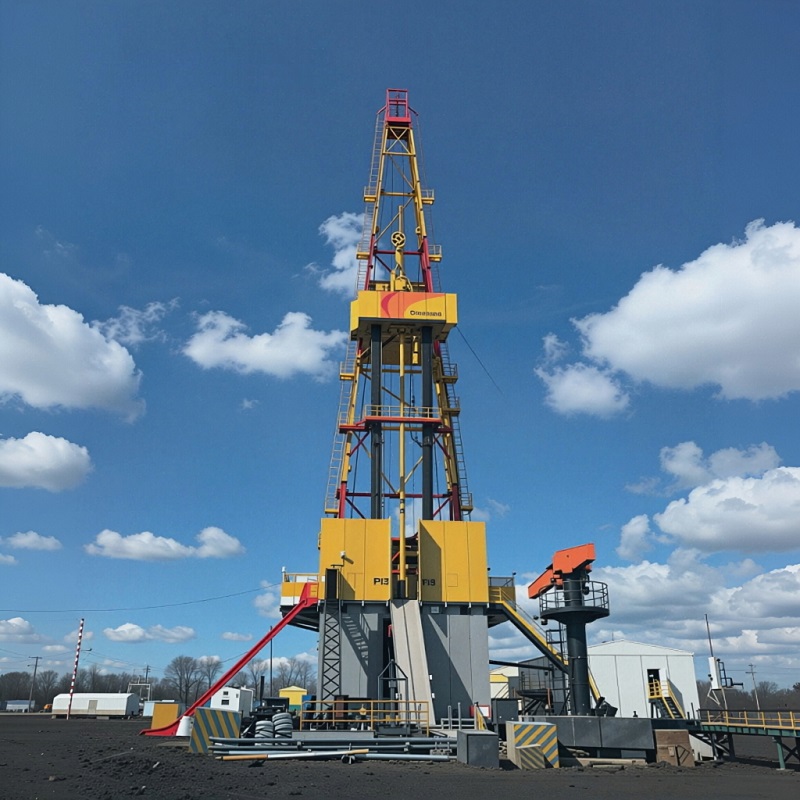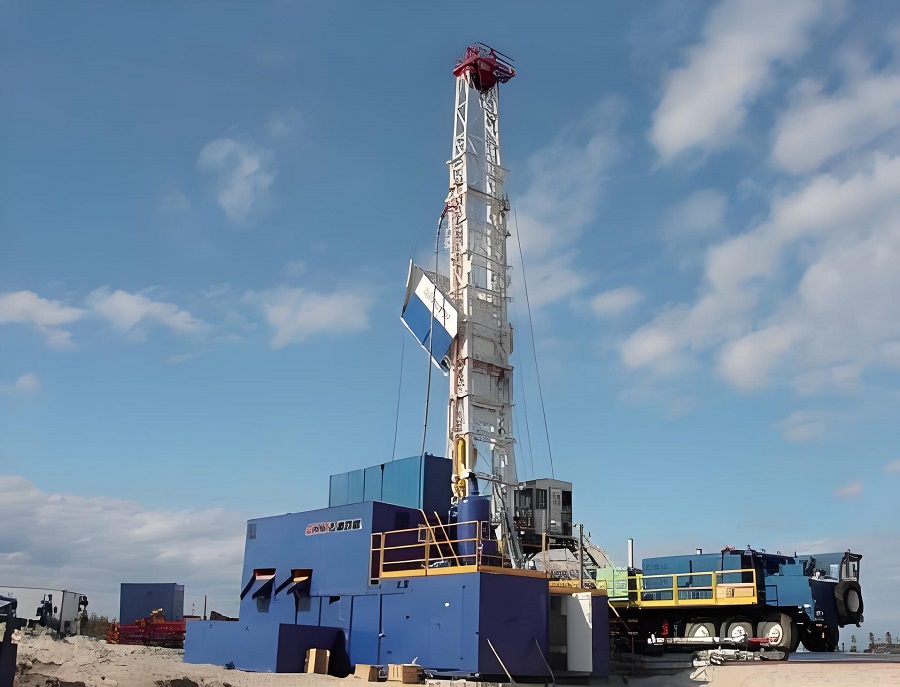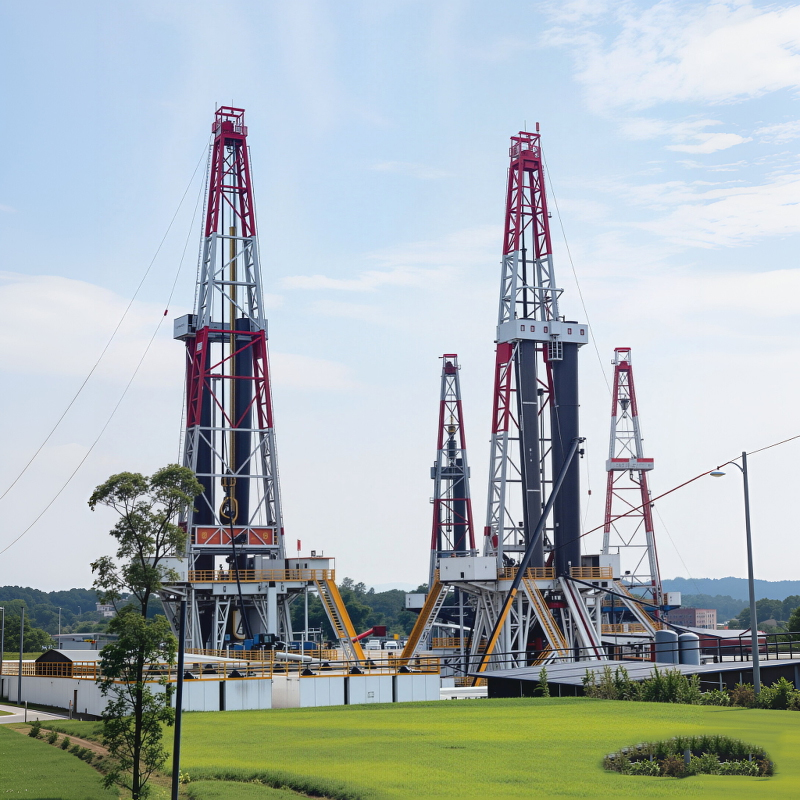
ZJ80D Automated Drilling Rig, 5850 kN
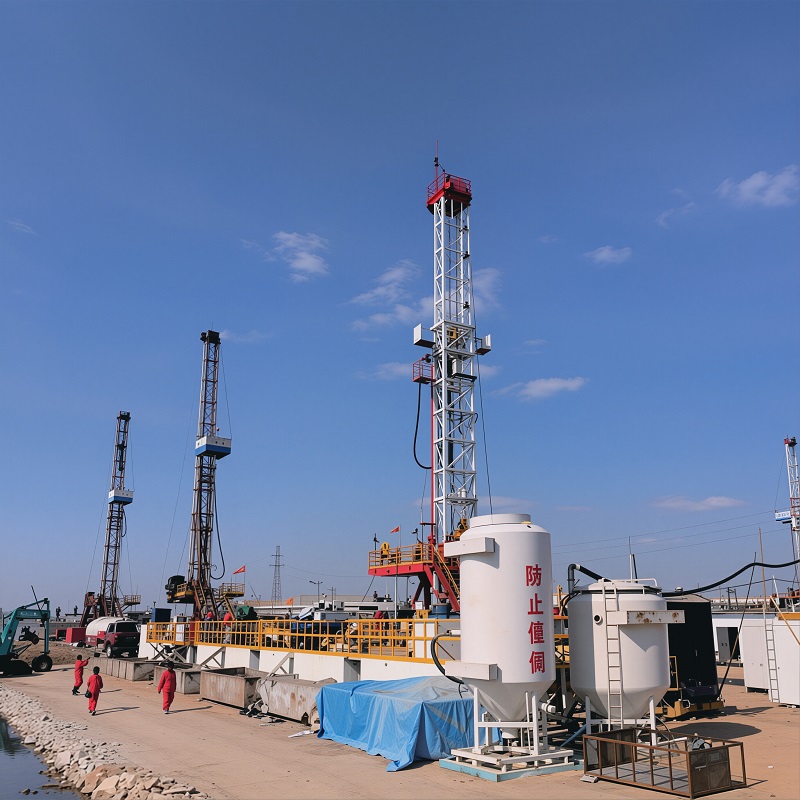
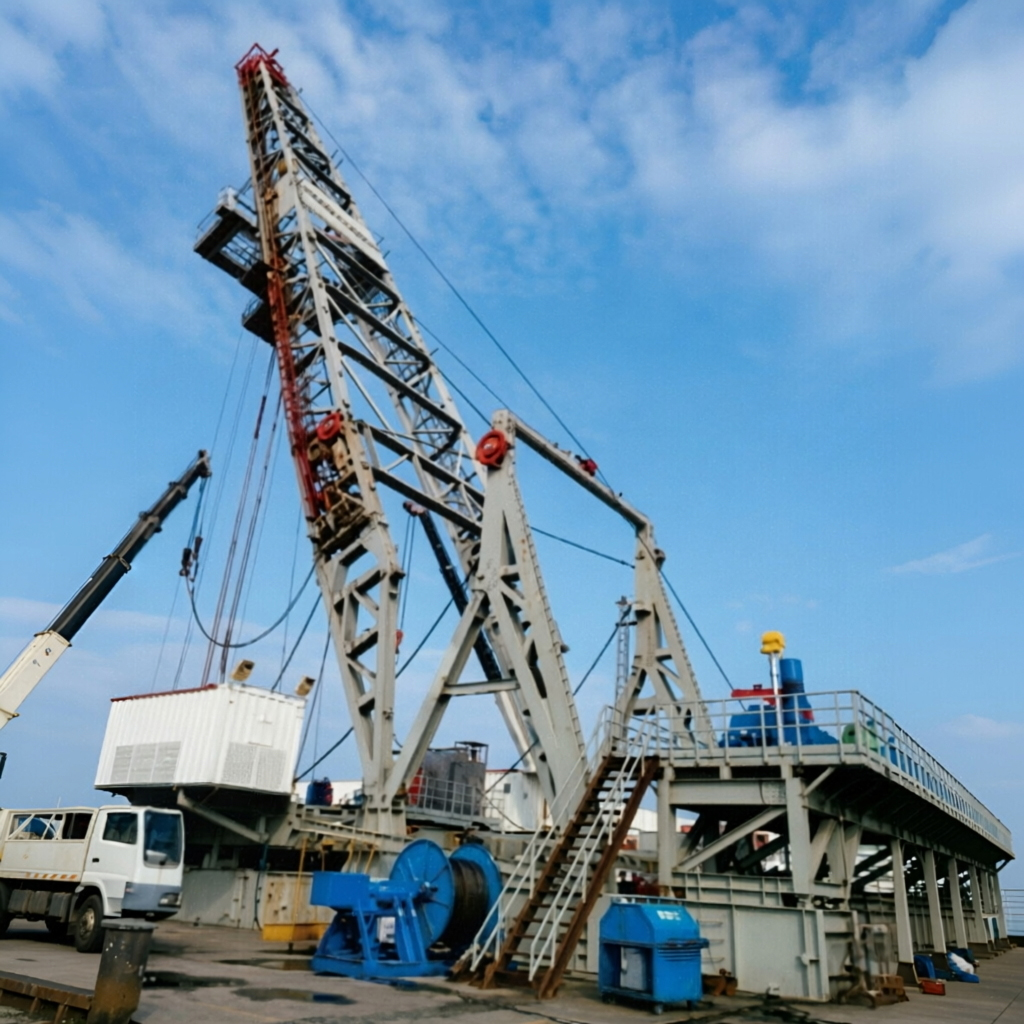
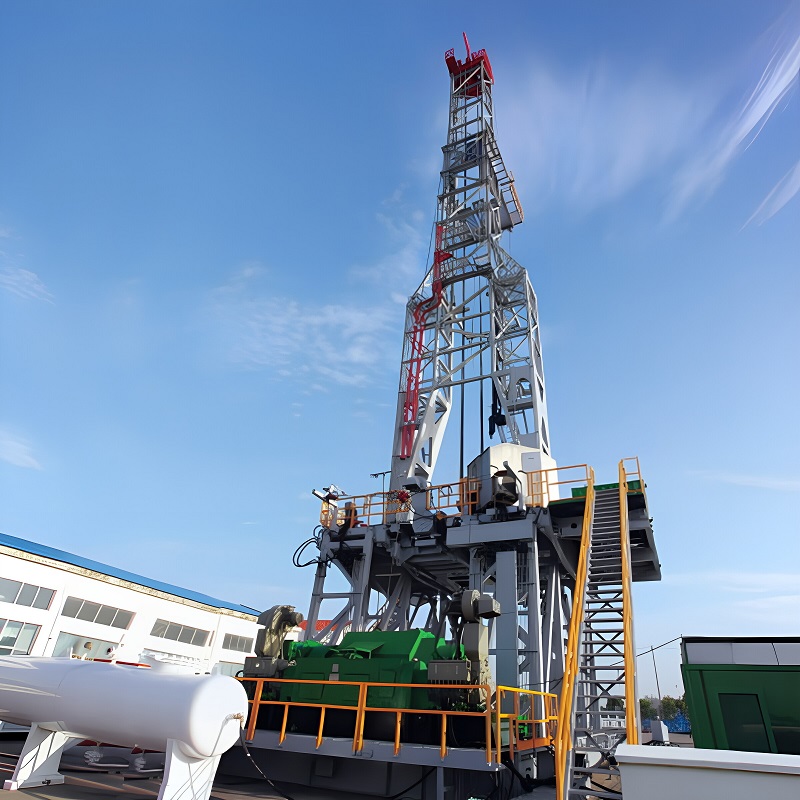
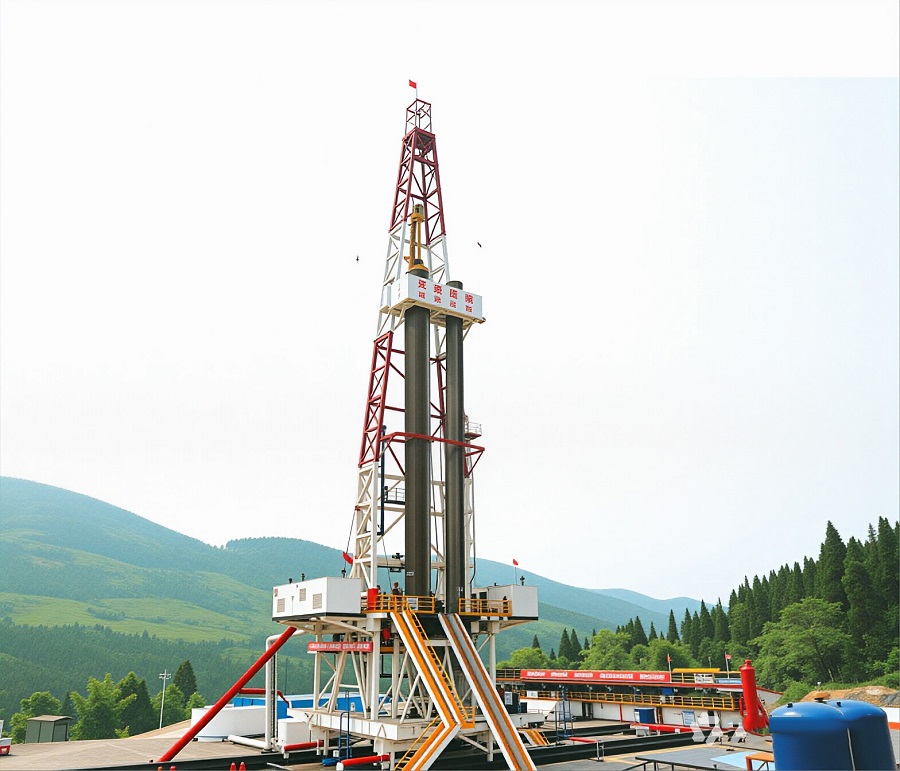
The ZJ80D Automated is an AC VFD land rig rated for 5850 kN hook load and 8000 m drilling depth. What distinguishes this rig is the integrated pipe-handling automation package: iron roughneck, automated catwalk, pipe racker and a fully integrated driller's control system —all factory-installed, not retrofitted.
The automation package is designed to reduce the drill-floor crew from 6–8 people to 2–3, and to remove personnel from the red zone during trips. This is increasingly required by operators in North American shale, Middle East gas fields, and Chinese deep-gas projects where HSE rules are tightening.
Selection Guide
When does an automated ZJ80D rig pay for itself?
The ZJ80D is an 8,000 m-class rig (5,850 kN hook load) with an automation package: iron roughneck, automated catwalk, integrated pipe racker, and a closed driller's cabin. The automation is not cosmetic — it removes crew from the high-risk drill floor areas and cuts connection time. But automation costs money, so the question is whether your program generates enough value from it.
Choose this rig when:
- Target depth is 7,000–8,000 m. 5,850 kN hook load covers deep gas wells and ultra-deep development wells. Below 7,000 m a ZJ70 rig is more economical; this rig is for the 8,000 m class.
- Day rate is high enough that connection time matters. On deep wells, each connection (make-up/breakout) takes minutes. The iron roughneck cuts connection time roughly 30–40% versus manual tongs. On a rig running 24/7 at a high day rate, this automation can save 10–15 hours of rig time per well — worth – depending on your day rate.
- HSE requirements push you toward automation. Many international operators (and increasingly national oil companies) require iron roughnecks and closed cabins to reduce hand injuries on the drill floor. If your contract mandates it, the automation package is not optional — it is the entry ticket.
- You want a smaller, safer floor crew. With automated catwalk and pipe racker, you need fewer roughnecks on the floor. In regions with skilled-labor shortages (or high labor costs), the smaller crew size is a direct cost saving.
Automated ZJ80D vs manual ZJ80 — is automation worth the premium?
- Manual ZJ80: Lower upfront cost, familiar operations, larger floor crew. Best for low-day-rate regions where labor is cheap and HSE mandates do not require automation.
- Automated ZJ80D (this rig): Higher upfront cost, but faster connections, smaller crew, and HSE compliance. Pays back the automation premium in high-day-rate campaigns, deep gas projects, or regions with strict HSE rules.
What comes standard
When does an automated ZJ80D rig pay for itself?
The ZJ80D is an 8,000 m-class rig (5,850 kN hook load) with an automation package: iron roughneck, automated catwalk, integrated pipe racker, and a closed driller's cabin. The automation is not cosmetic — it removes crew from the high-risk drill floor areas and cuts connection time. But automation costs money, so the question is whether your program generates enough value from it.
Choose this rig when:
- Target depth is 7,000–8,000 m. 5,850 kN hook load covers deep gas wells and ultra-deep development wells. Below 7,000 m a ZJ70 rig is more economical; this rig is for the 8,000 m class.
- Day rate is high enough that connection time matters. On deep wells, each connection (make-up/breakout) takes minutes. The iron roughneck cuts connection time roughly 30–40% versus manual tongs. On a rig running 24/7 at a high day rate, this automation can save 10–15 hours of rig time per well — worth – depending on your day rate.
- HSE requirements push you toward automation. Many international operators (and increasingly national oil companies) require iron roughnecks and closed cabins to reduce hand injuries on the drill floor. If your contract mandates it, the automation package is not optional — it is the entry ticket.
- You want a smaller, safer floor crew. With automated catwalk and pipe racker, you need fewer roughnecks on the floor. In regions with skilled-labor shortages (or high labor costs), the smaller crew size is a direct cost saving.
Automated ZJ80D vs manual ZJ80 — is automation worth the premium?
- Manual ZJ80: Lower upfront cost, familiar operations, larger floor crew. Best for low-day-rate regions where labor is cheap and HSE mandates do not require automation.
- Automated ZJ80D (this rig): Higher upfront cost, but faster connections, smaller crew, and HSE compliance. Pays back the automation premium in high-day-rate campaigns, deep gas projects, or regions with strict HSE rules.
Automated make-up/breakout
A hydraulic iron roughneck handles all connection make-up and breakout. Torque is recorded and logged digitally; no manual tongs on the drill floor. This reduces connection time and eliminates hand injuries.
Automated pipe catwalk
A hydraulic catwalk carries pipe from the pipe rack to the drill floor automatically. No crew members lift or guide pipe on the floor; the driller controls the sequence from the cabin.
Integrated pipe racker
A racking arm stands pipe back in the setback automatically. The driller selects stands from a touchscreen; the racker places and retrieves them without manual guidance.
Closed driller's cabin
The driller operates from a closed, air-conditioned cabin with integrated screens for drawworks, top drive, iron roughneck and BOP control. The cabin is separated from the drill floor by a safety barrier.
5850 kN for 8000 m wells
Rated hook load 5850 kN (1,315,000 lb), with a 400 t traveling block. Designed for 8000 m deep oil and gas wells.
Integrated drilling data system
All drilling parameters (weight on bit, rate of penetration, torque, pressure, pump rate) are logged digitally and can be streamed to a remote office. This supports digital drilling and performance analysis.
Where this rig fits
- Deep gas and shale projects: where HSE rules require reduced floor crew.
- Operator-mandated automation: where the operator specifies an automated rig in the tender.
- High-day-rate campaigns: where faster connections and reduced crew pay back the automation premium.
Buyer questions
Q: Can the automation package be disabled?
A: Yes. Each automated component has a manual override. The rig can be operated conventionally if the automation needs service.
Q: How much crew reduction is achieved?
A: Drill-floor crew typically drops from 6–8 to 2–3. Total rig crew drops by about 4–5 people per tour.
Q: Does automation increase connection speed?
A: Typically 15–25% faster on trips, and more consistent because the iron roughneck applies the correct torque every time.
Q: What is the typical price range for this equipment?
A: Pricing depends on capacity, configuration, and option list. Contact our sales team with your requirements for a detailed quote. We offer factory-direct pricing with no middleman markup.
Q: Do you provide on-site commissioning and operator training?
A: Yes. We provide on-site installation supervision, commissioning, and operator training as part of every package. Our service engineers travel worldwide to support your team during startup and operation.
Ready to discuss this rig?
Send your target depth, required automation level, and whether you need remote data streaming. We will return an automated rig spec and pricing within 48 hours.