Introduction and application notes
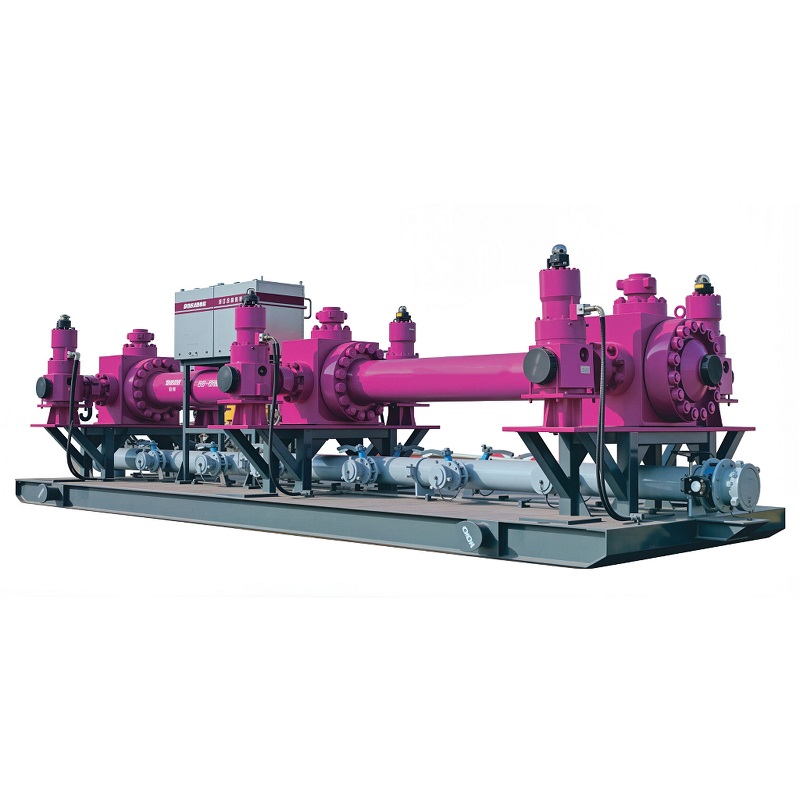
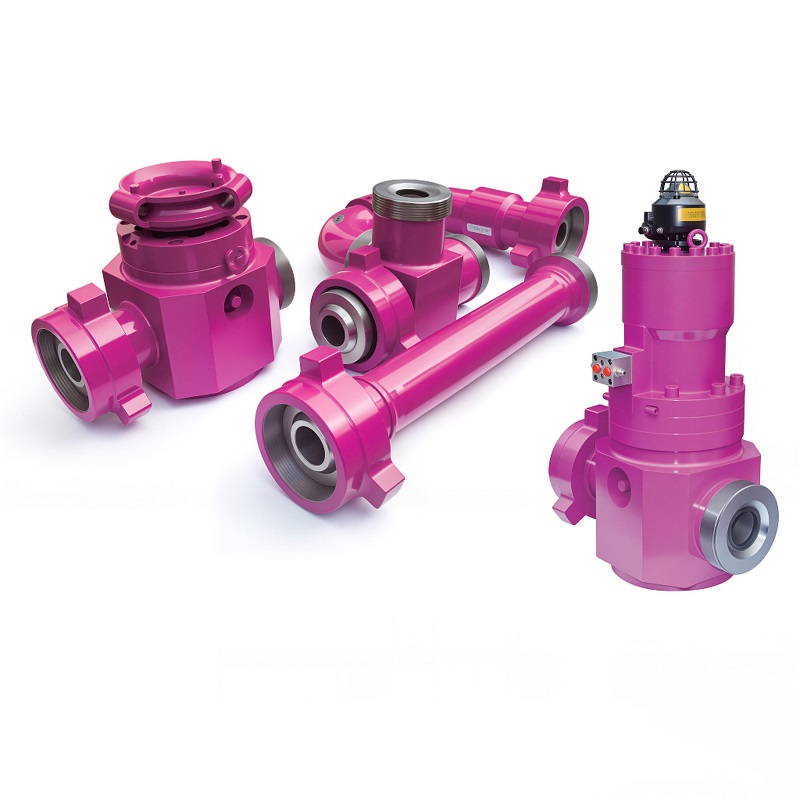
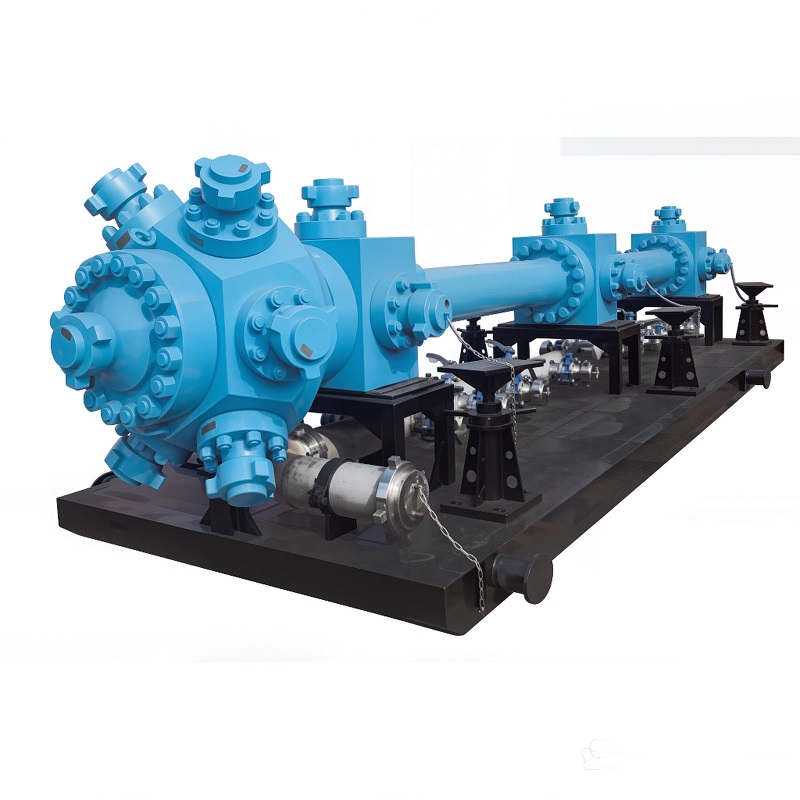
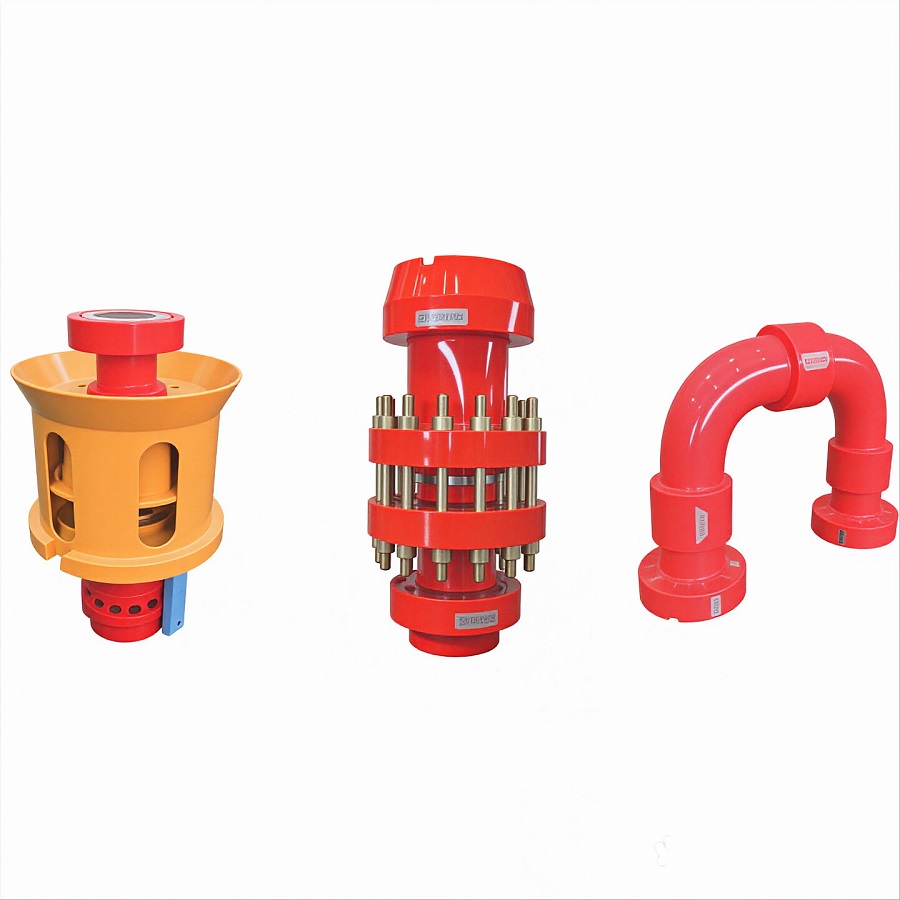
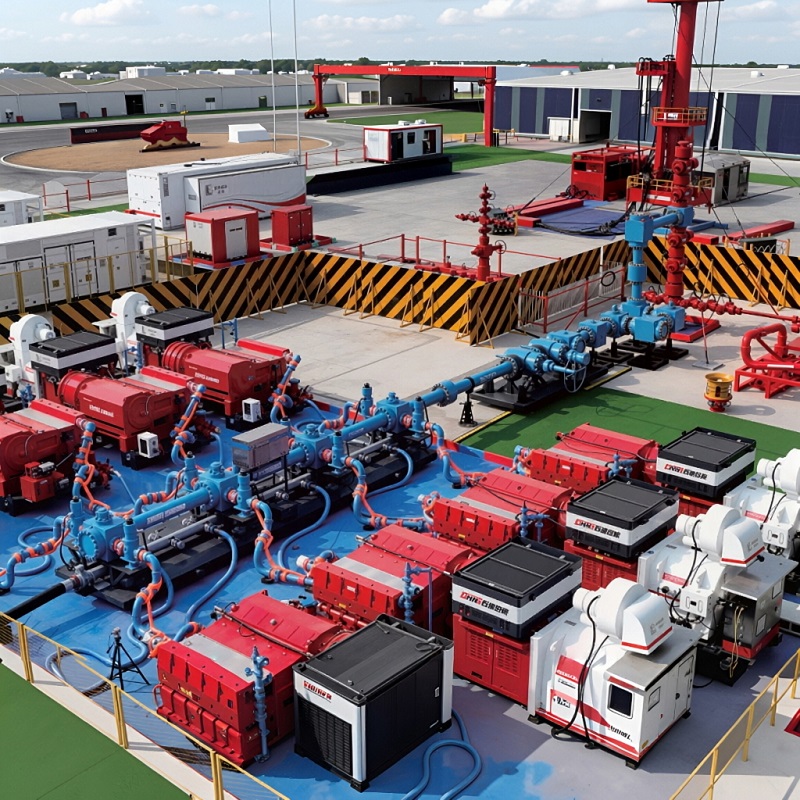
Drilling Fluid Manifolds is presented as a field-deployable package built around valve, flange and manifold control.
What this model is built to handle
When this model is shortlisted, the practical check is whether the drilling fluid manifolds supports the target duty without extra handling risk.
If the project already has a clear target for working envelope, this page becomes easier to use because the remaining checks are mostly about layout, control, and installation limits.
A stronger purchase case usually appears when the model gives a clearer answer on balanced field capacity, service access, and the local delivery plan.
What buyers usually compare
Layout and handling
The field-deployable format reduces setup friction when the site needs a compact footprint.
Capacity boundary
Buyers should start with the working envelope because it defines the usable duty range.
Control package
The control package is arranged to match field-side decisions without unnecessary manual steps.
Maintenance access
Field service is simpler when the main components remain accessible after installation.
Where the package fits best
Typical duty
drilling and testing lines that need pressure-safe routing where a field-deployable format matters.
Field condition
The model is more suitable when field operation is part of the job requirement.
Project scenario
cementing or fracturing manifold packages for high-pressure jobs with pressure-rated control and stable handling.
Main assembly and field interfaces
Principal unit
The main assembly carries the high-pressure control package function and defines the working layout of the unit.
Control system
The control package is tuned to keep the operator's tasks clear and the sequence consistent.
Mobilization format
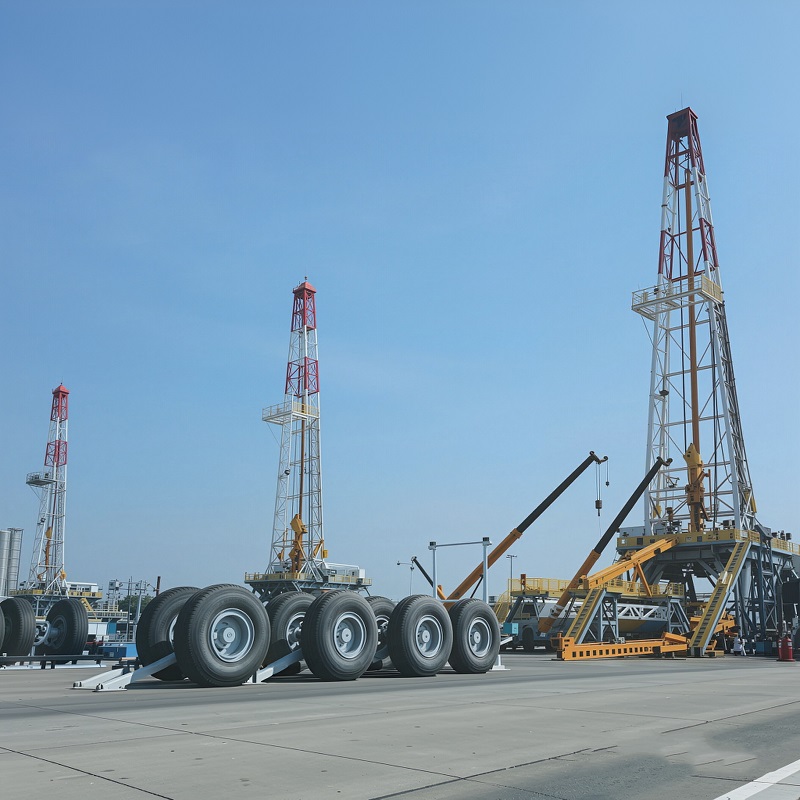
Transport and setup remain important because the package has to fit the actual field logistics.
Field interfaces
Shared interfaces, hoses, cable points, or load paths should be checked together with the main specification.