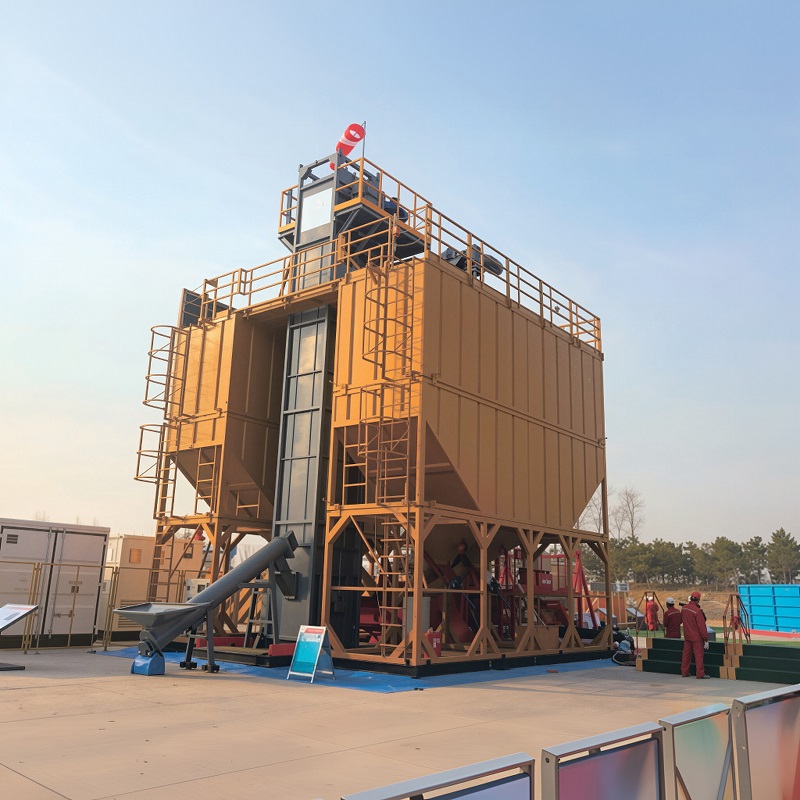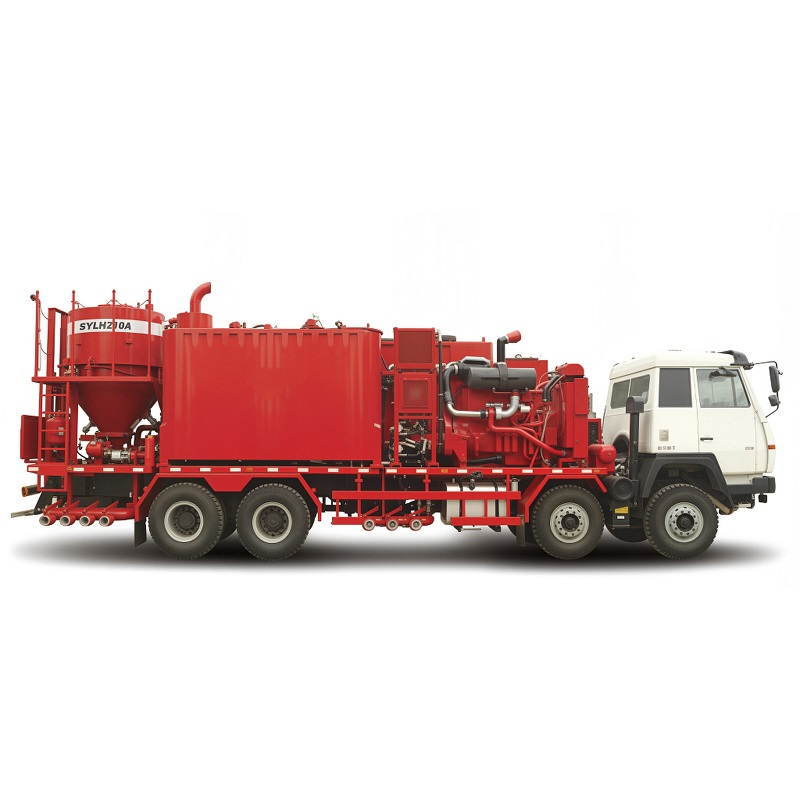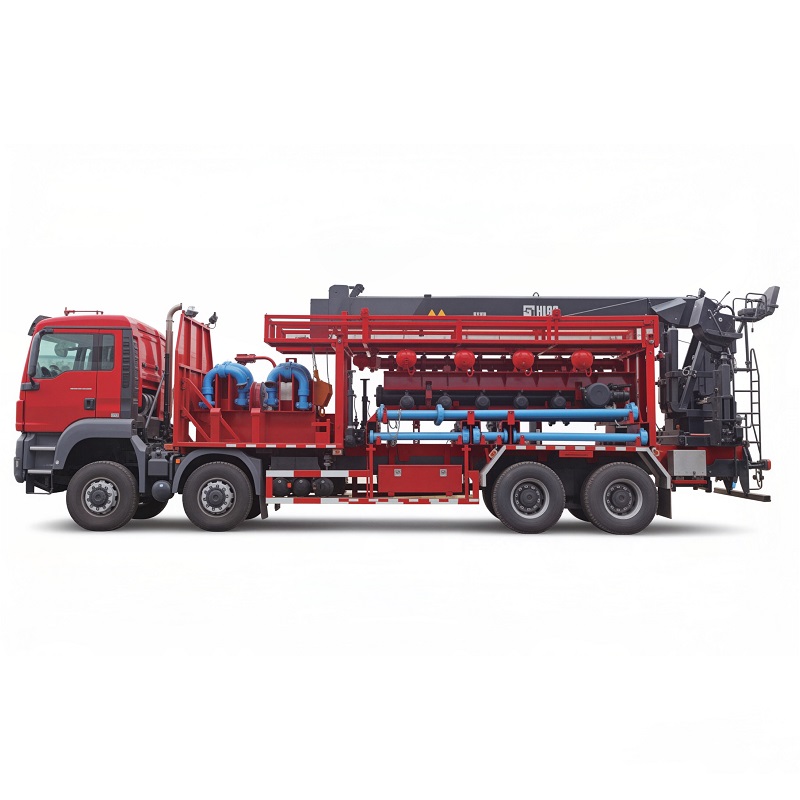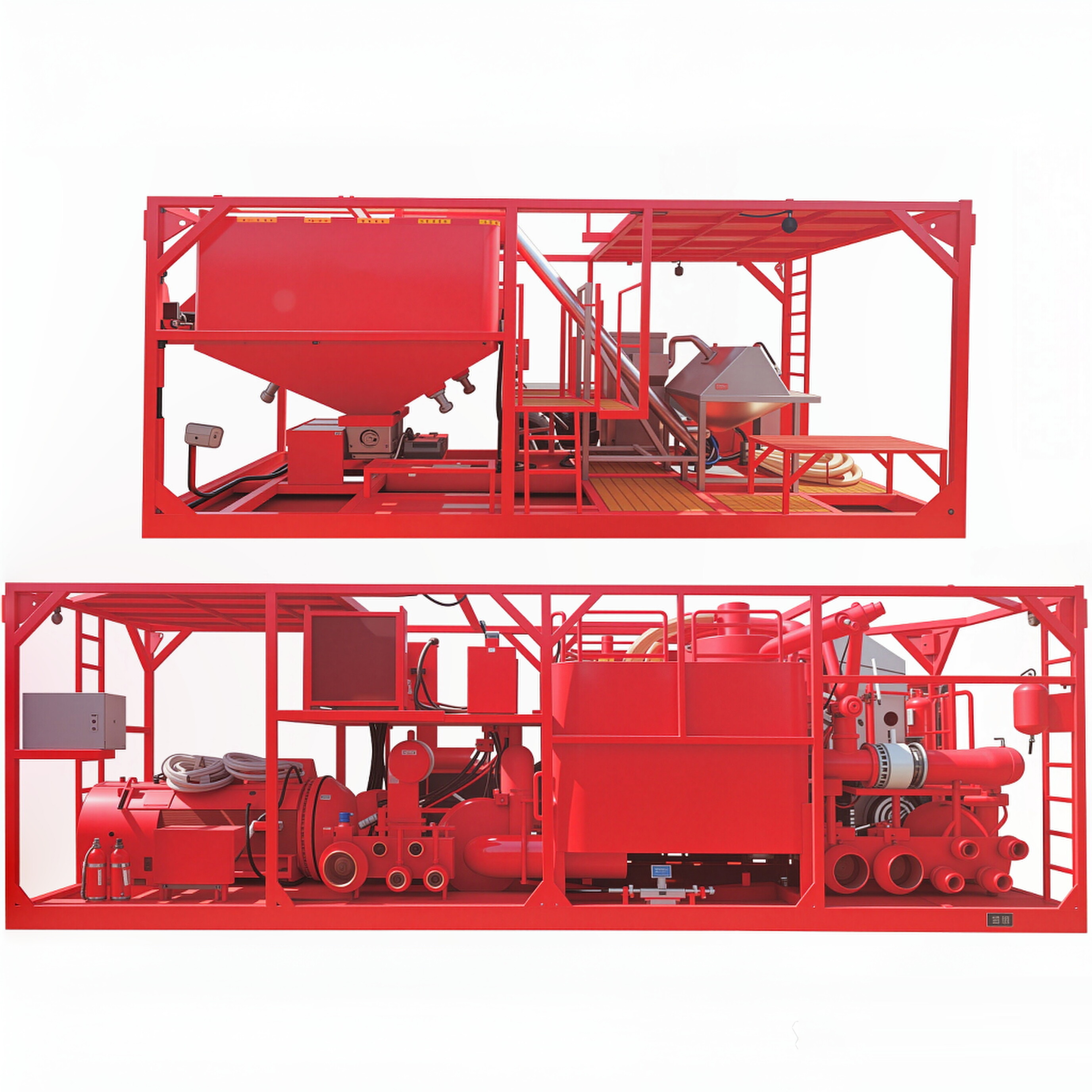
Dry Fracturing Equipment
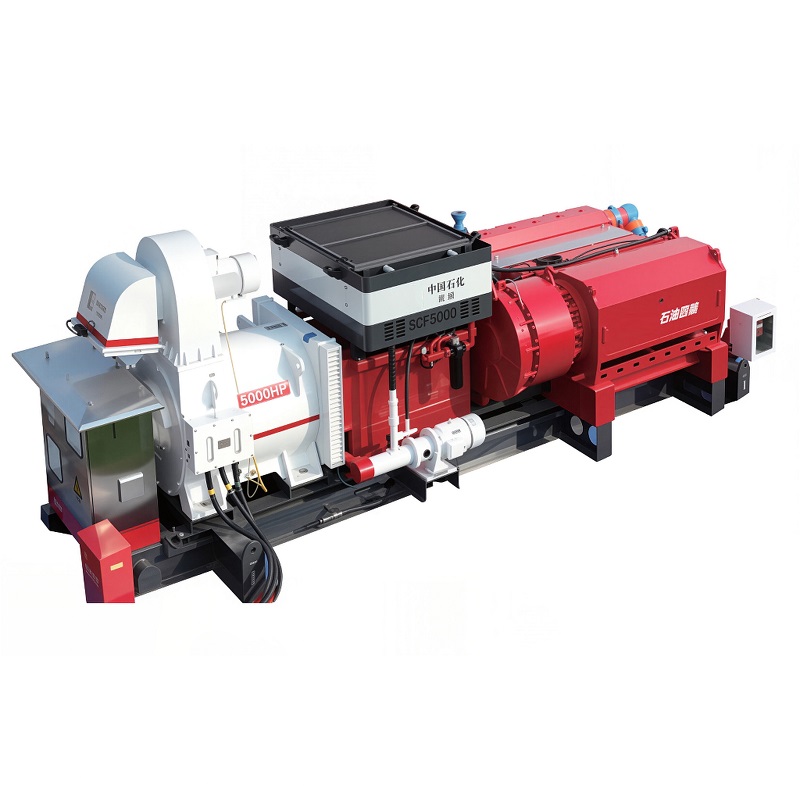
Dry fracturing equipment, uses proppant gas (nitrogen or CO2) instead of water-based fluid for water-sensitive formations. This heavy-duty fracturing unit (105 MPa working pressure) is designed for professional oilfield service companies who need reliable, field-proven fracturing equipment that performs consistently under continuous hydraulic fracturing duty.
SJ Petroleum Machinery manufactures this 105 MPa fracturing unit to API 6A standards, with full factory pressure and flow testing before shipment. We provide on-site commissioning, operator training, and global spare parts support tailored to this model.
Key features
Proppant: Dry sand
Engine and drivetrain are rated for continuous oilfield duty. All critical components are sourced from reputable manufacturers with global service support.
Working pressure: 105 MPa
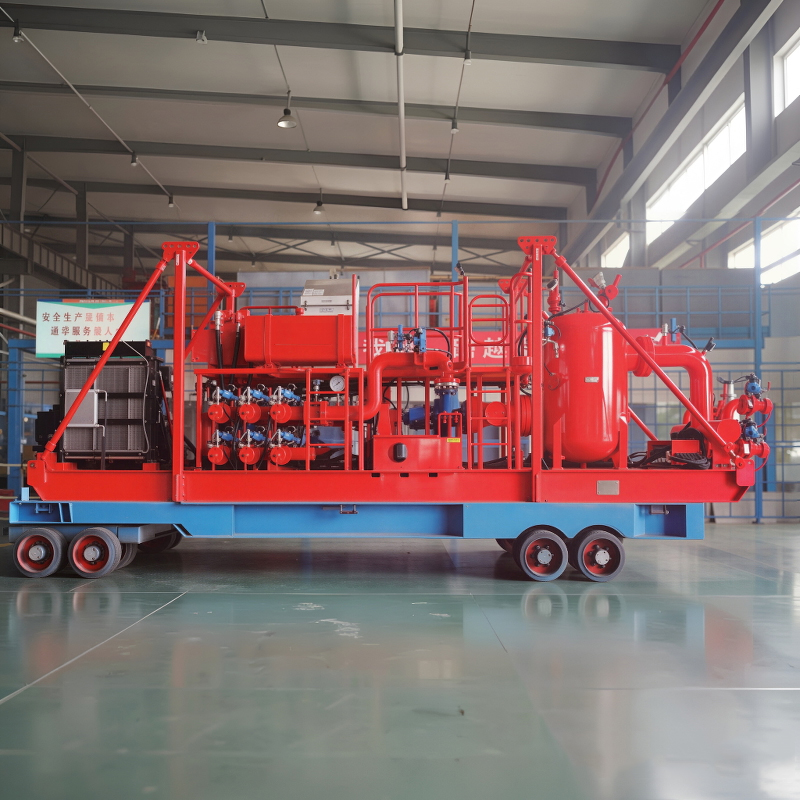
Main system is designed for heavy-duty oilfield service with modular components. Field maintenance is straightforward; a trained crew can service the unit in hours, not days.
Operator cabin with data logging
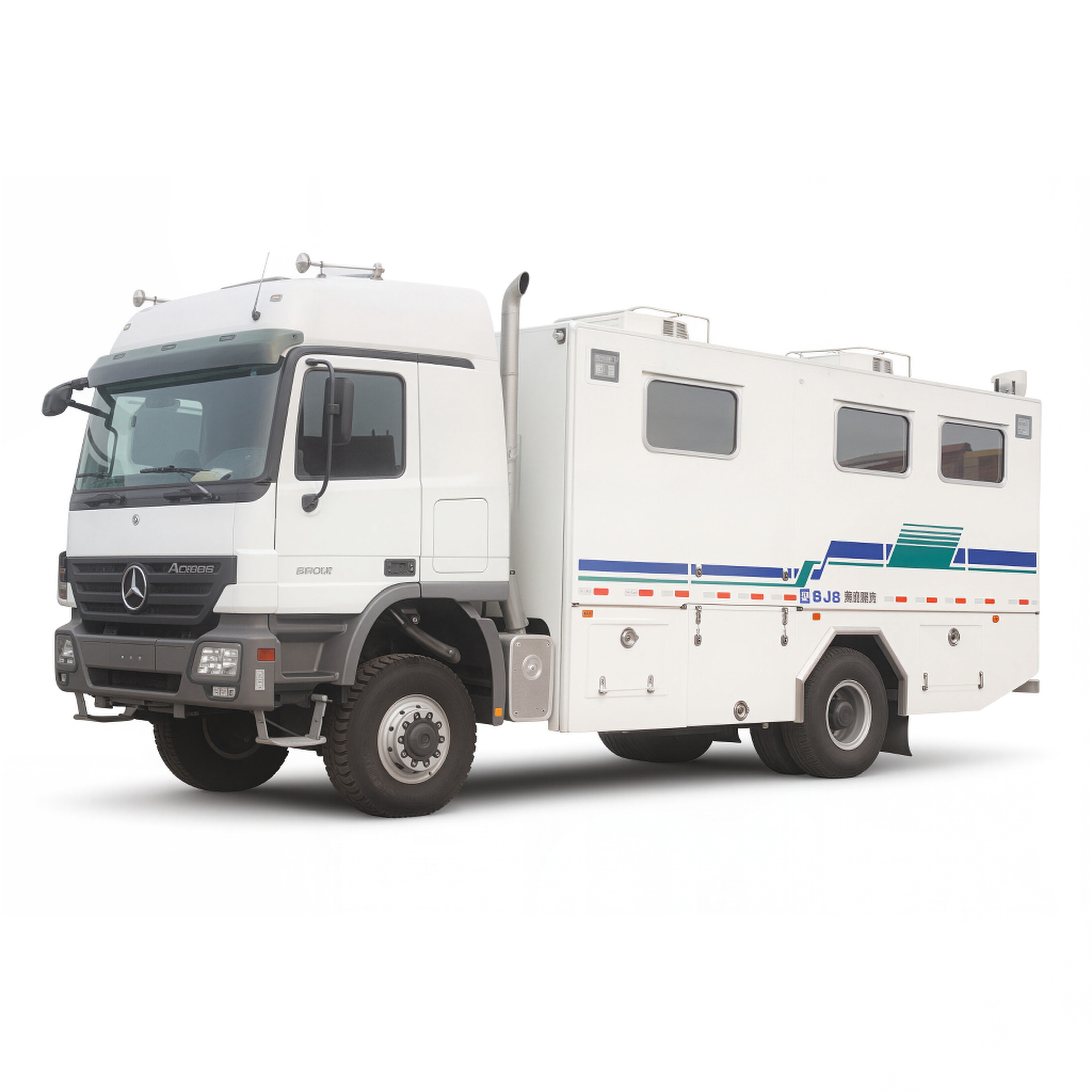
Stand-alone air-conditioned operator cabin with gauges, controls, and a data recorder. Operators work safely away from high-pressure lines.
Road-legal, single-unit transport
The entire unit is mounted on a standard truck or skid chassis. No disassembly needed for road transport.
Factory-tested before shipment
Every unit is API-certified (API 7K / API 6A as applicable) and manufactured under our ISO 9001 quality system. Full function testing, pressure testing, and load testing are conducted before leaving the factory. We provide test reports and certification documents with each shipment.
Global spare parts network
We supply spare parts kits, field service engineers, and operator training. Critical spare parts are stocked in our warehouse and shipped within 48 hours of order.
Where this unit fits
This dry fracturing system is specifically designed for:
- Water-sensitive formations: Dry CO2 or nitrogen-based fracturing avoids water damage to water-sensitive reservoirs
- Tight gas wells: Hydraulic fracturing with gas-based fluids for tight sandstone and shale gas reservoirs
- Coalbed methane: Dry fracturing for CBM reservoirs where water-based fluids would cause formation damage
- Environmental-sensitive areas: Eliminates water usage and flowback disposal concerns in ecologically sensitive locations
Dry fracturing — when waterless energized fracturing beats a water-based program
Dry (waterless) fracturing equipment uses energized proppant gas — nitrogen or CO₂ — instead of water-based fluid to carry proppant into the formation, at 105 MPa working pressure. It exists for one core situation: water-sensitive formations where water-based frac fluid would damage the reservoir (clay swelling, water trapping), and for regions where water supply is scarce or disposal is a problem.
Choose dry fracturing equipment when:
- Your reservoir is water-sensitive. Clays that swell in fresh water, tight gas zones that suffer water blocking, or formations where capillary trapping reduces gas permeability. Water-based frac fluid can permanently damage these reservoirs — dry fracturing avoids it entirely.
- Water supply or disposal is a hard constraint. Some basins lack fresh water, or produced water disposal is costly or restricted. N₂/CO₂ fracturing eliminates the water logistics chain (trucks, ponds, disposal) from the operation.
- You want faster flowback and cleanup. Gas-based fluids flow back much faster than water — days instead of weeks. For gas wells, this means faster production ramp-up and less retained water to clean out.
- Formation pressure supports energized fracturing. N₂/CO₂ energization works best in reservoirs that can sustain gas expansion downhole. In shallow or low-pressure zones, the energized fluid may not carry proppant effectively — check reservoir pressure against the 105 MPa design envelope.
Dry vs water-based fracturing — the real trade-offs
- Water-based: Cheaper gas supply, well-proven for most reservoirs, but water damage risk in sensitive zones and heavy water logistics. Choose for conventional reservoirs without water sensitivity.
- Dry/energized (this equipment): Higher gas cost and more specialized equipment, but no formation damage, no water logistics, faster flowback. Choose for water-sensitive zones or water-constrained regions.
Operating sequence
On arrival at the well site, the unit is positioned and lines are connected. The engine or electric motor is started, warmed up, and ramped up to operating speed. The operator monitors pressure and rate from the control cabin.
Common selections
- CO2 system: customized configuration tailored to your field conditions
- nitrogen system: customized configuration tailored to your field conditions
- proppant delivery system.: customized configuration tailored to your field conditions
- Automated control system: PLC-based control with touchscreen HMI
- Data acquisition and recording: real-time monitoring and data logging
Buyer questions
Q: What is the lead time for a new unit?
A: 8–10 months for a new unit, depending on option list. Refurbished units available in 90–120 days.
Q: Do you supply the complete system?
A: Yes. We can supply the main unit plus auxiliary equipment as a complete package, engineered to work together.
Q: Can you customize for our site conditions?
A: Yes. We customize for ambient temperature, terrain, power supply, and emission regulations.
Q: What is the typical price range for this equipment?
A: Pricing depends on capacity, configuration, and option list. Contact our sales team with your requirements for a detailed quote. We offer factory-direct pricing with no middleman markup.
Q: Do you provide on-site commissioning and operator training?
A: Yes. We provide on-site installation supervision, commissioning, and operator training as part of every package. Our service engineers travel worldwide to support your team during startup and operation.
Manufacturing background
SJ Petroleum Machinery has over 30 years of experience manufacturing fracturing equipment for oilfield stimulation. Our fracturing trucks, blenders, and sand handling units have been deployed in shale gas and tight oil operations across North America, the Middle East, and Central Asia. All units are API-certified and available with diesel, electric, or hybrid drive options to match your field conditions and emission requirements.
Ready to discuss this model?
Send your project requirements, operating conditions, and site specifications. We will return a tailored configuration and pricing within 48 hours.