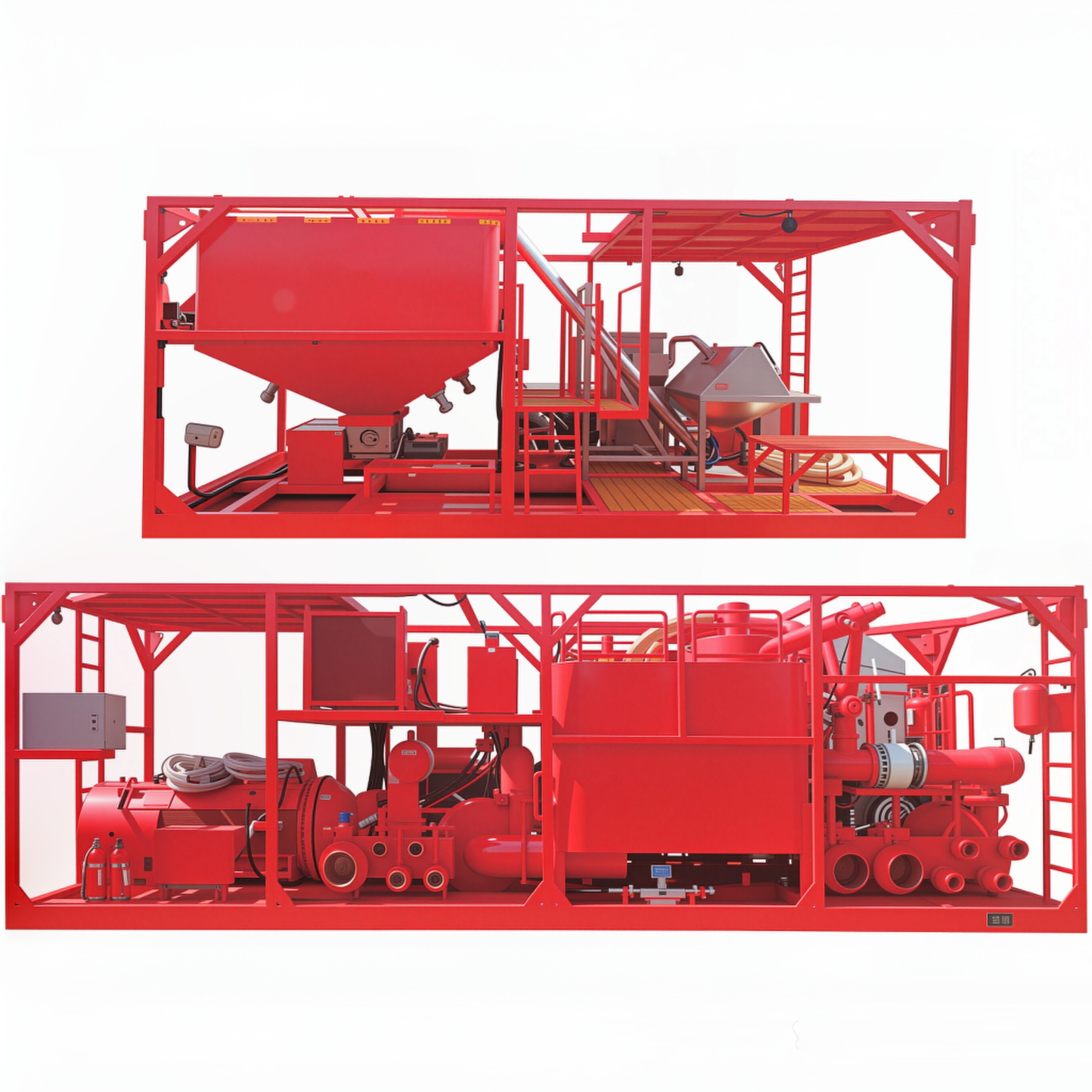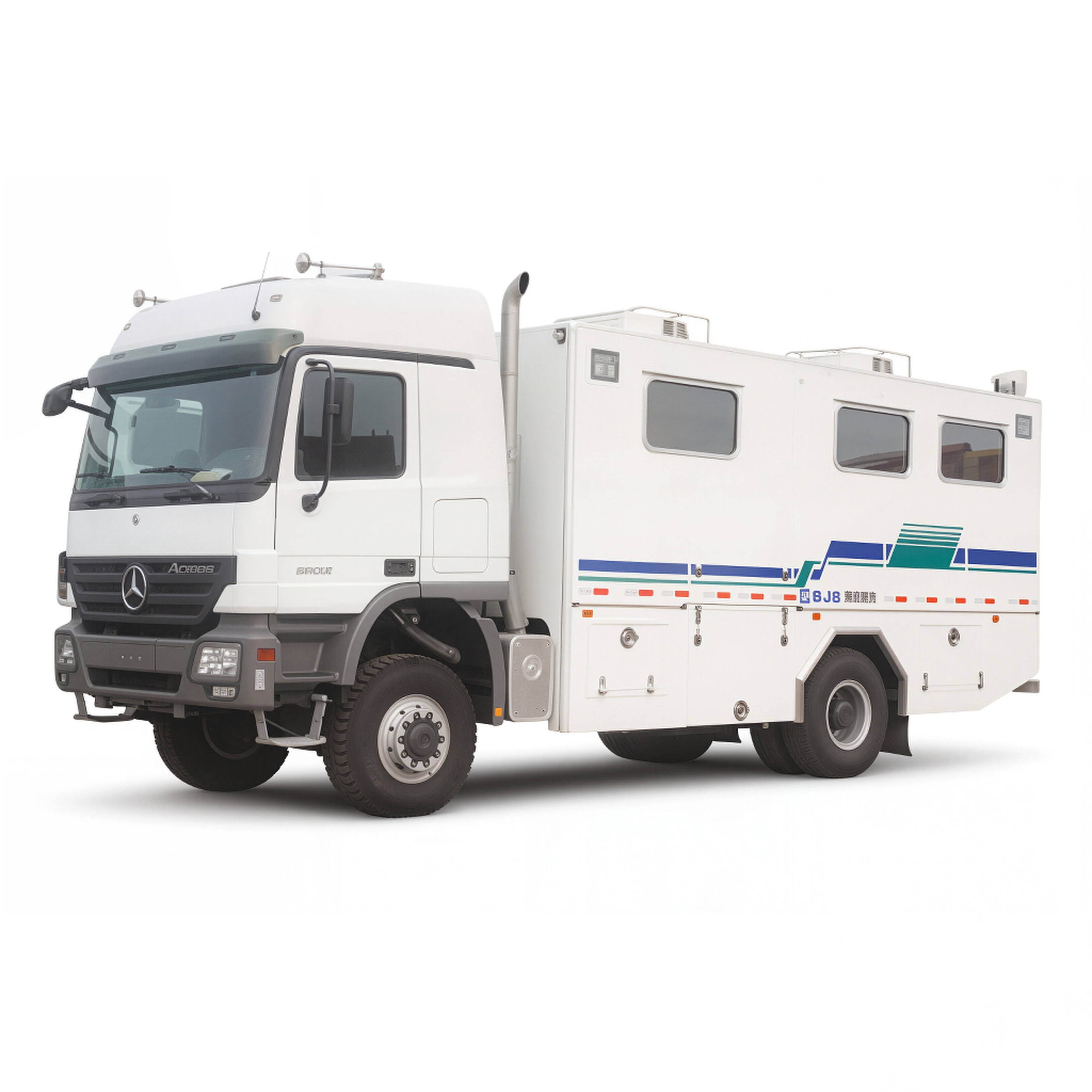
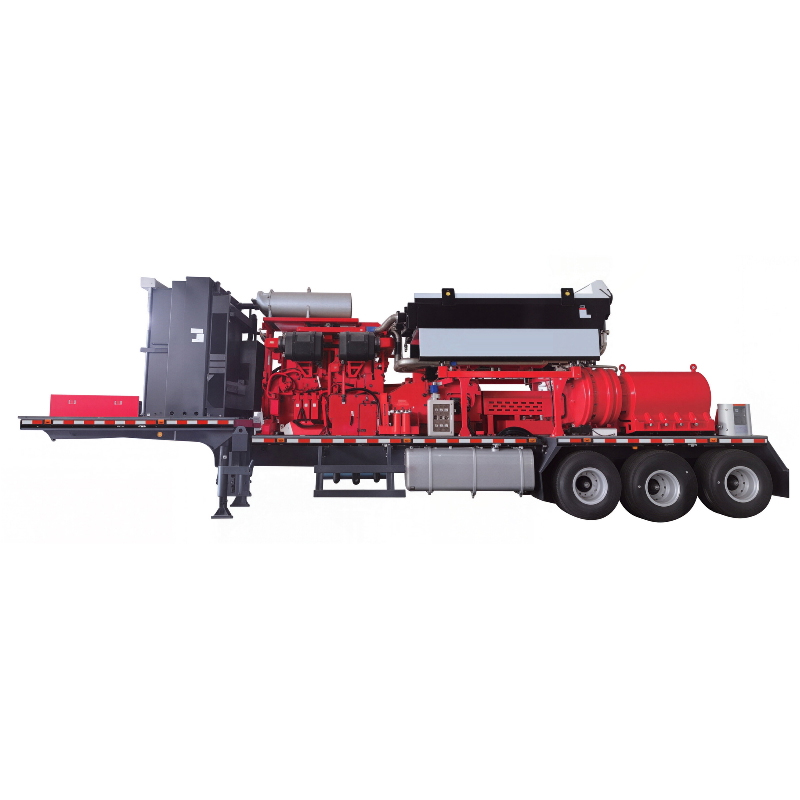
Introduction and application notes
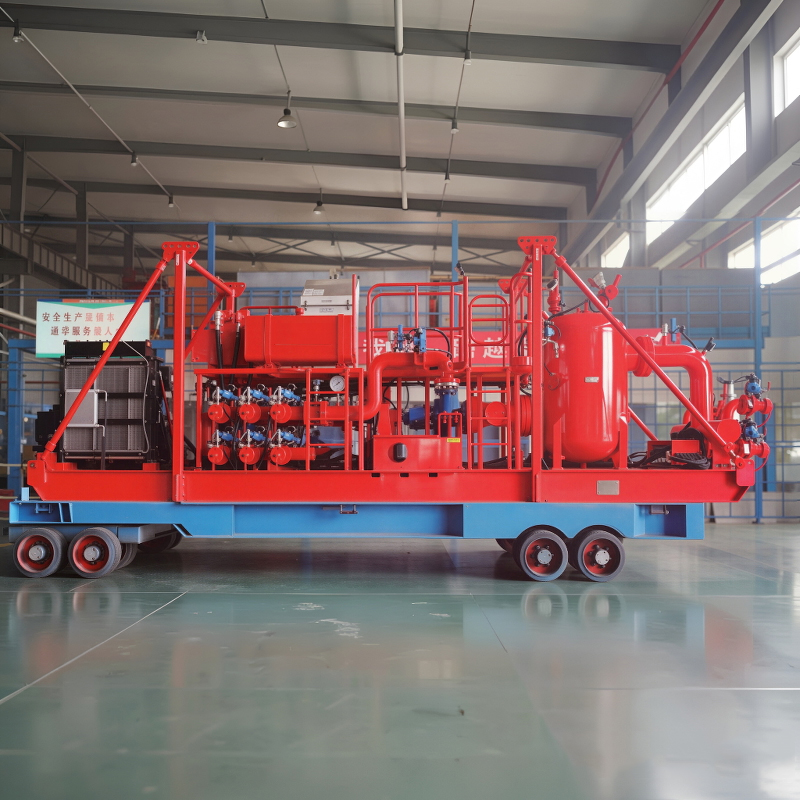
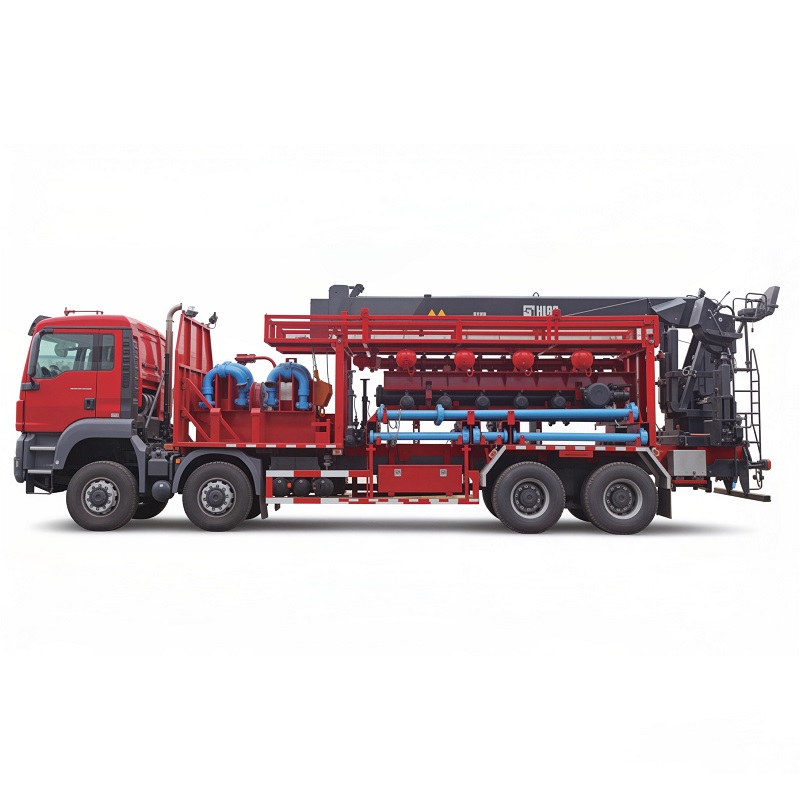
The hydraulic fracturing trailer adopts a trailer chassis structure, and is used in oil field operation areas with open well pads and good road conditions such as plains, deserts, and Gobi in North America, the Middle East and Russia. The main pump adopts a series of long-life and high-power quintuplet cylinder hydraulic fracturing plunger pumps manufactured by SJ, which have outstanding advantages in single engine power, displacement, service life, and adaptability.
What this model is built to handle
The most practical way to review the syl2500q 105t fracturing trailer package is to separate the transport format, the operating envelope, and the service access that field crews will need later.
The nearest alternative should be judged against working envelope, the maintenance path, and how well the package holds up in field operation.
For distributors and EPC buyers, the final decision often comes down to whether the package is easier to mobilize, service, and support in the target region than a similar model.
What buyers usually compare
Deployment format
A trailer-mounted base makes the model easier to stage and connect in the field.
Performance window
This model is easier to compare once the working envelope is matched against the job target.
Automation level
field-side control keeps the package easier to sequence during operation.
Service access
The layout leaves room for inspection, cleaning, and routine checks between runs.
Where the package fits best
Main use case
shale oil and shale gas stimulation that also need compact site handling.
Environmental fit
Condition handling matters when the package must remain practical in the field.
Buyer scenario
long-duty frac spreads that need electric or continuous-load operation when field-side control and 2500 both matter.
Main assembly and field interfaces
Core package
The central assembly is arranged around the role the unit has to perform on site.
Command package
field-side control coordinates the field sequence and keeps the unit easier to manage during operation.
Transport and installation
Its installation pattern is shaped by the way the unit needs to be mobilized on the project.
Connection points
Accessory selection usually depends on the project interface, site access, and service plan.